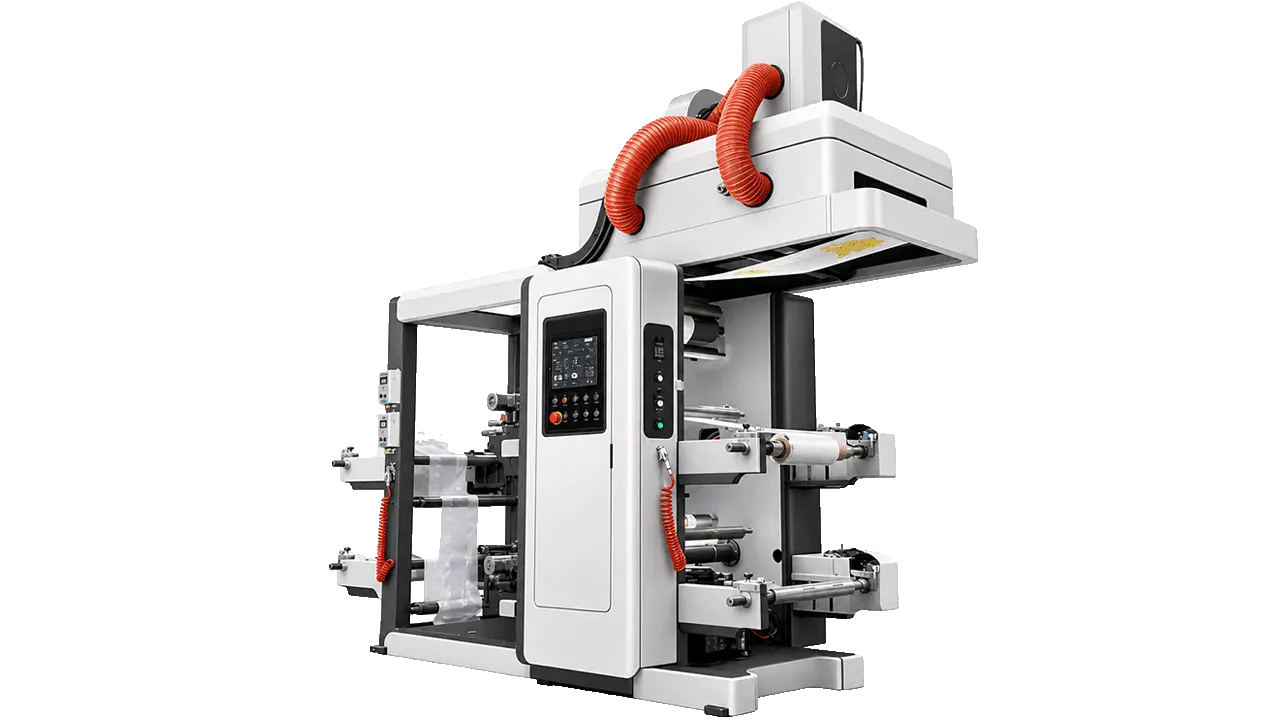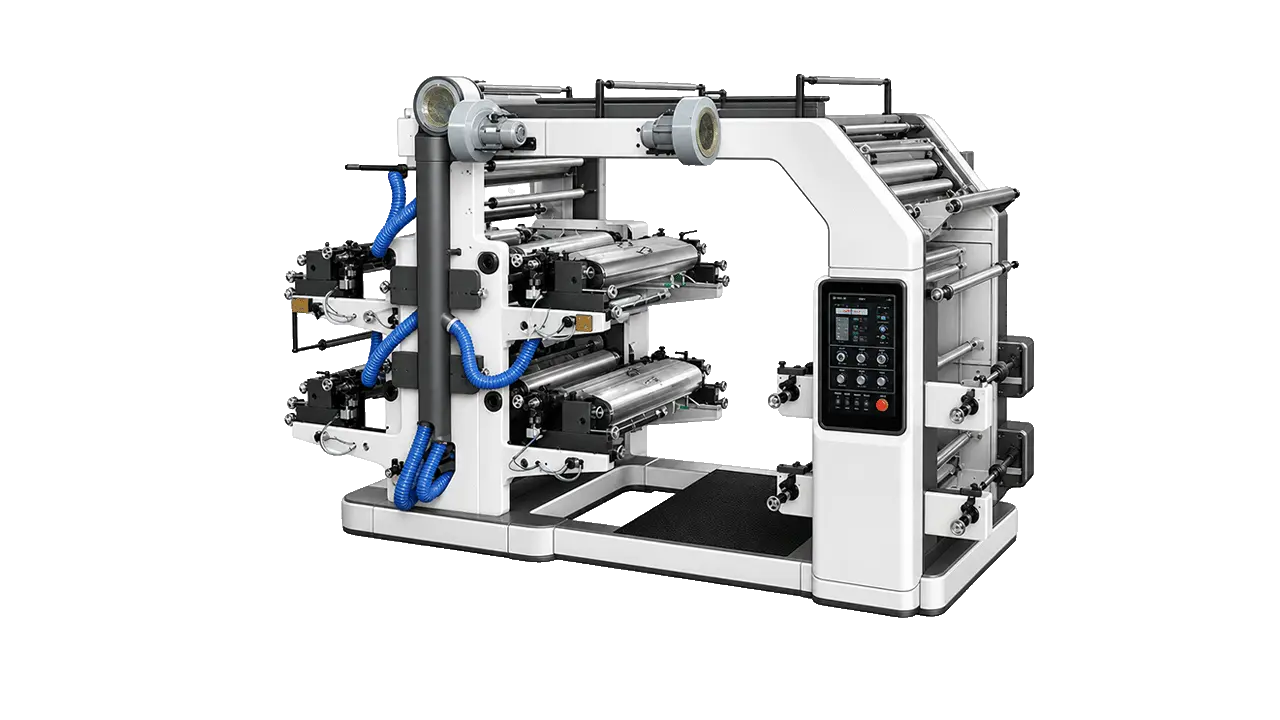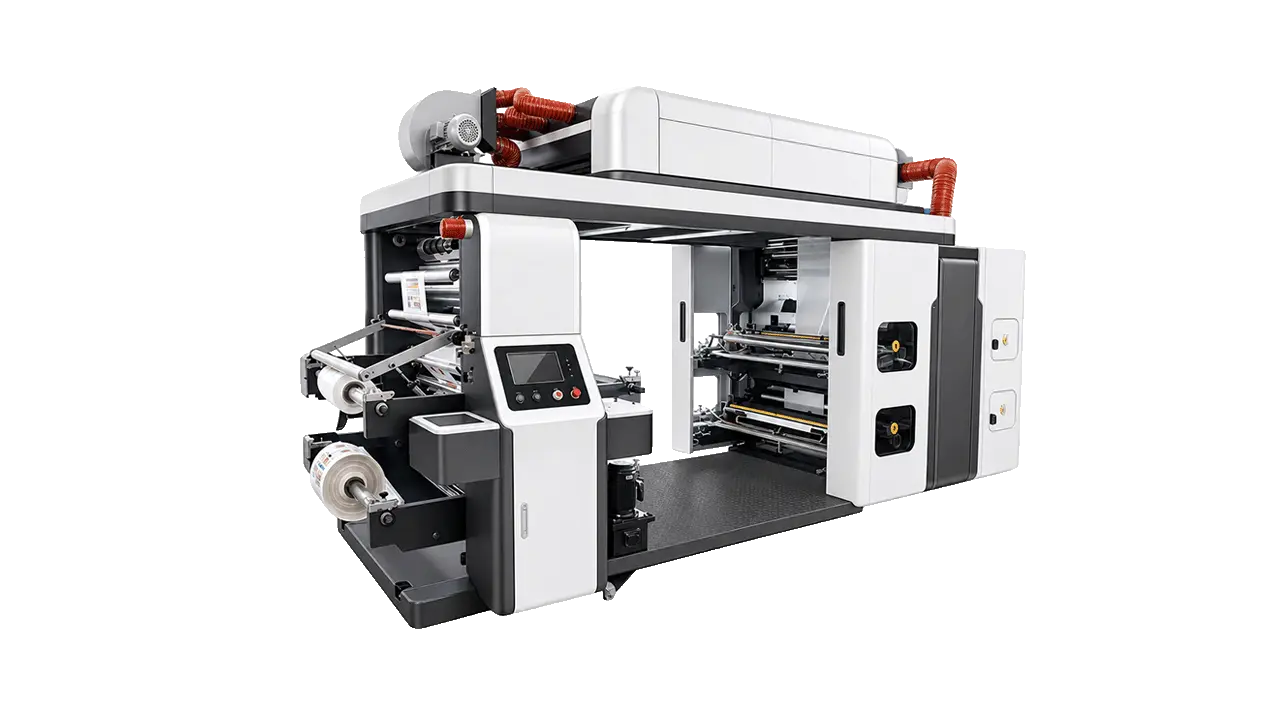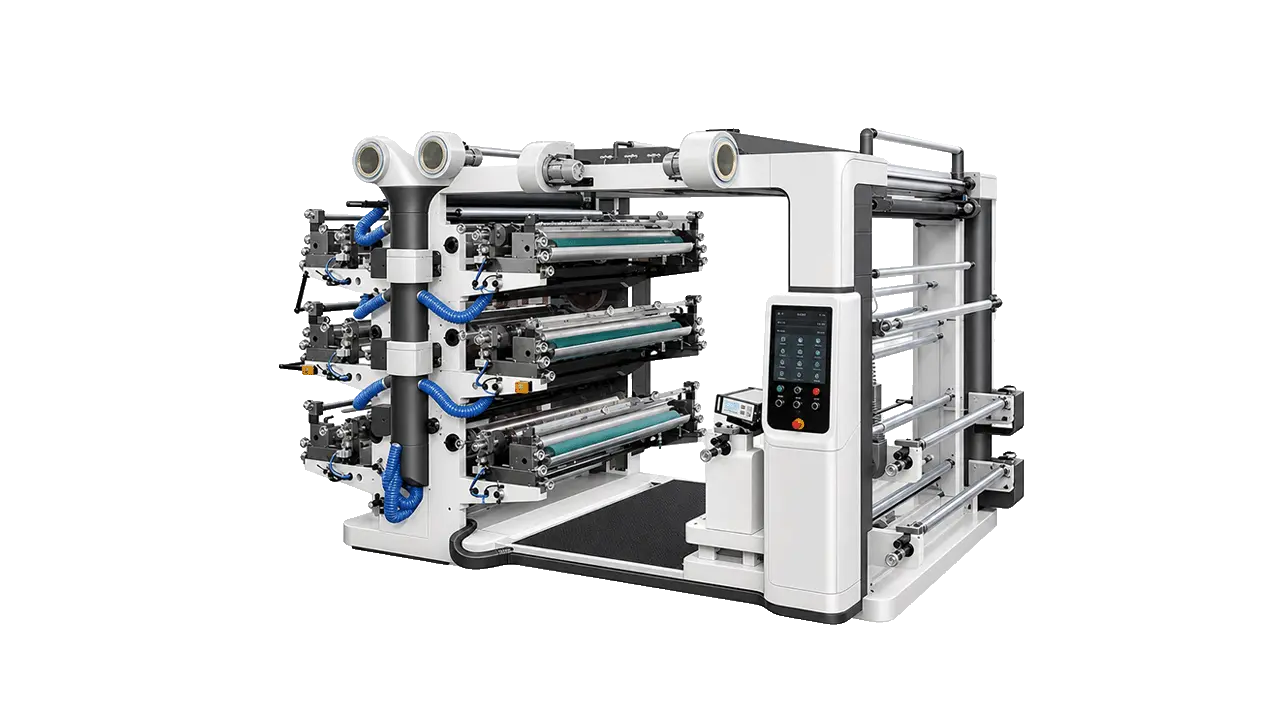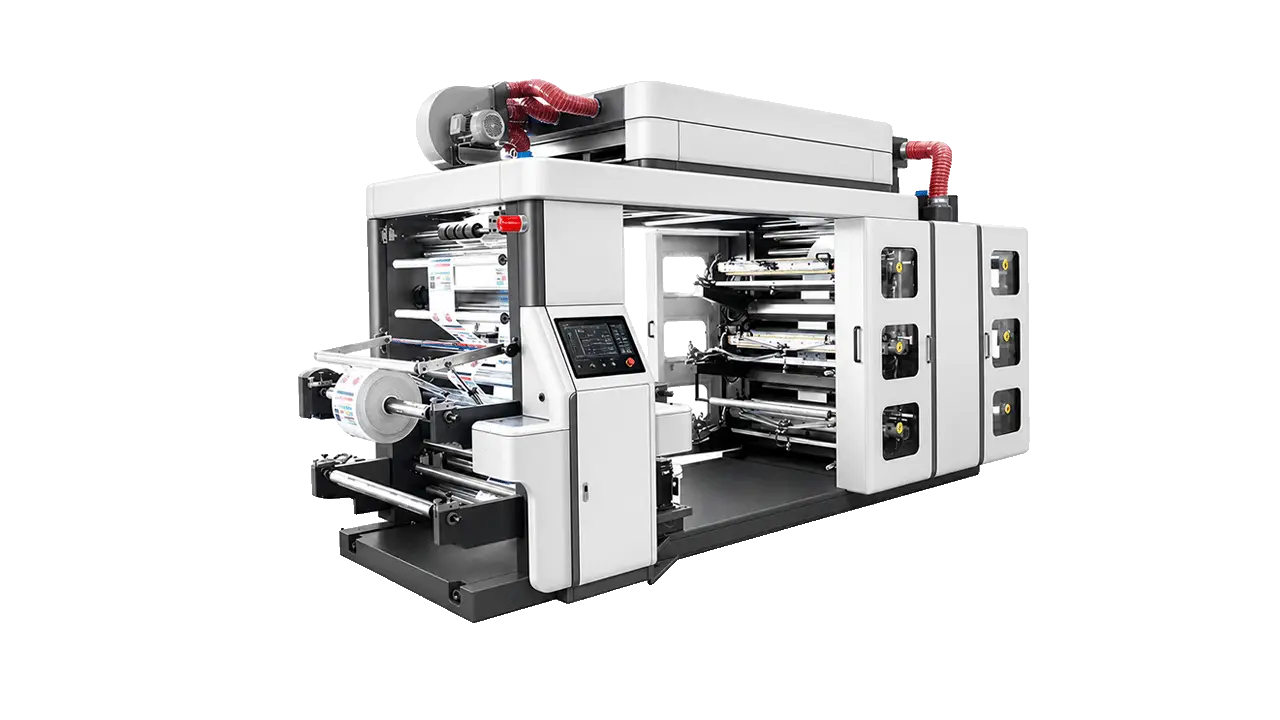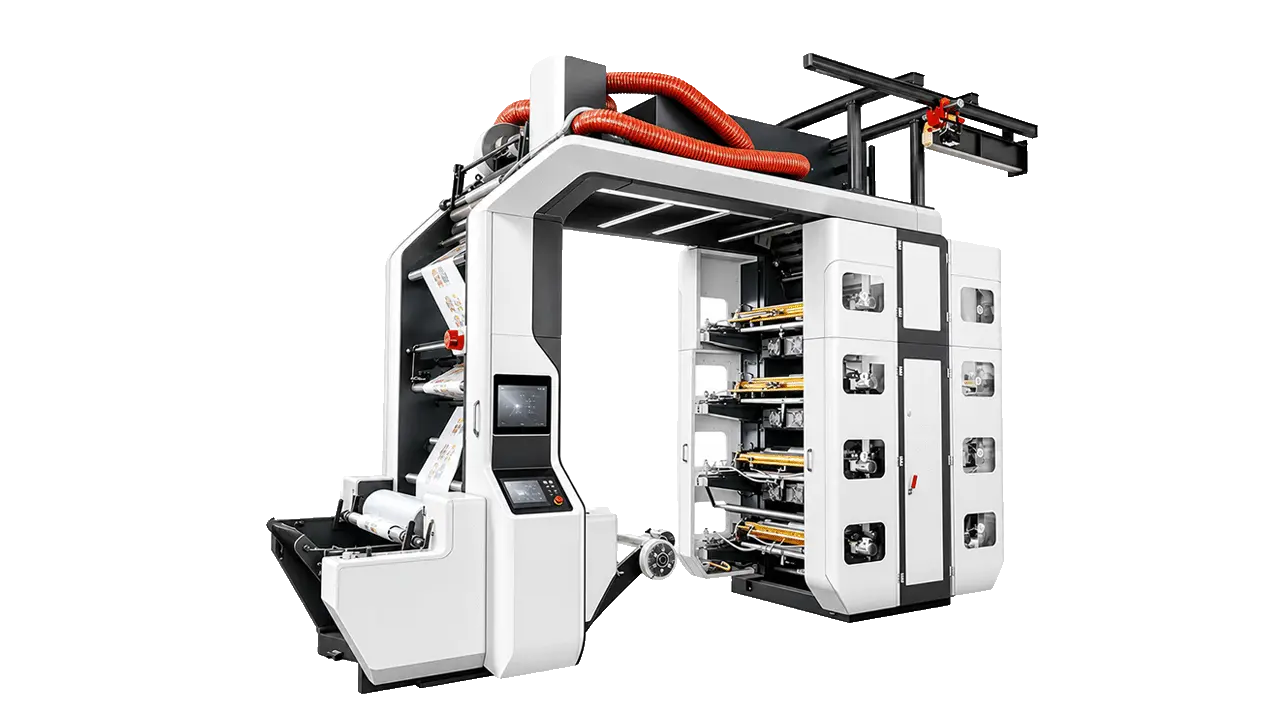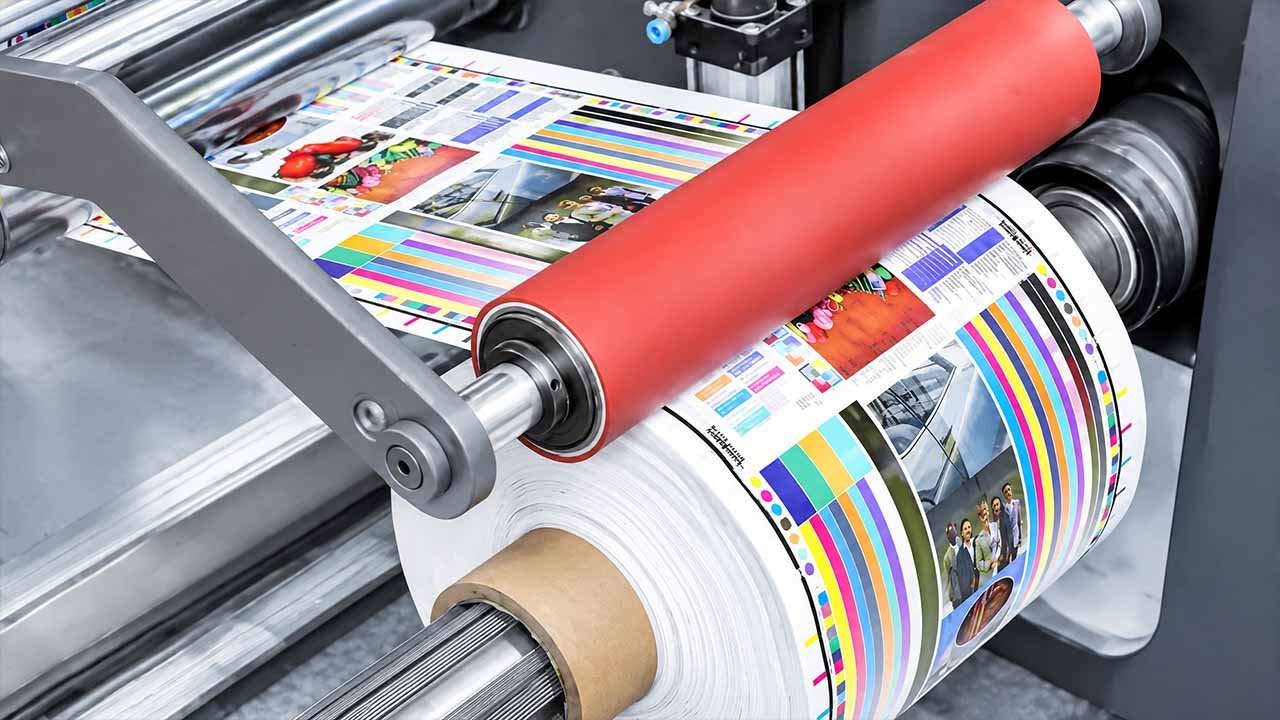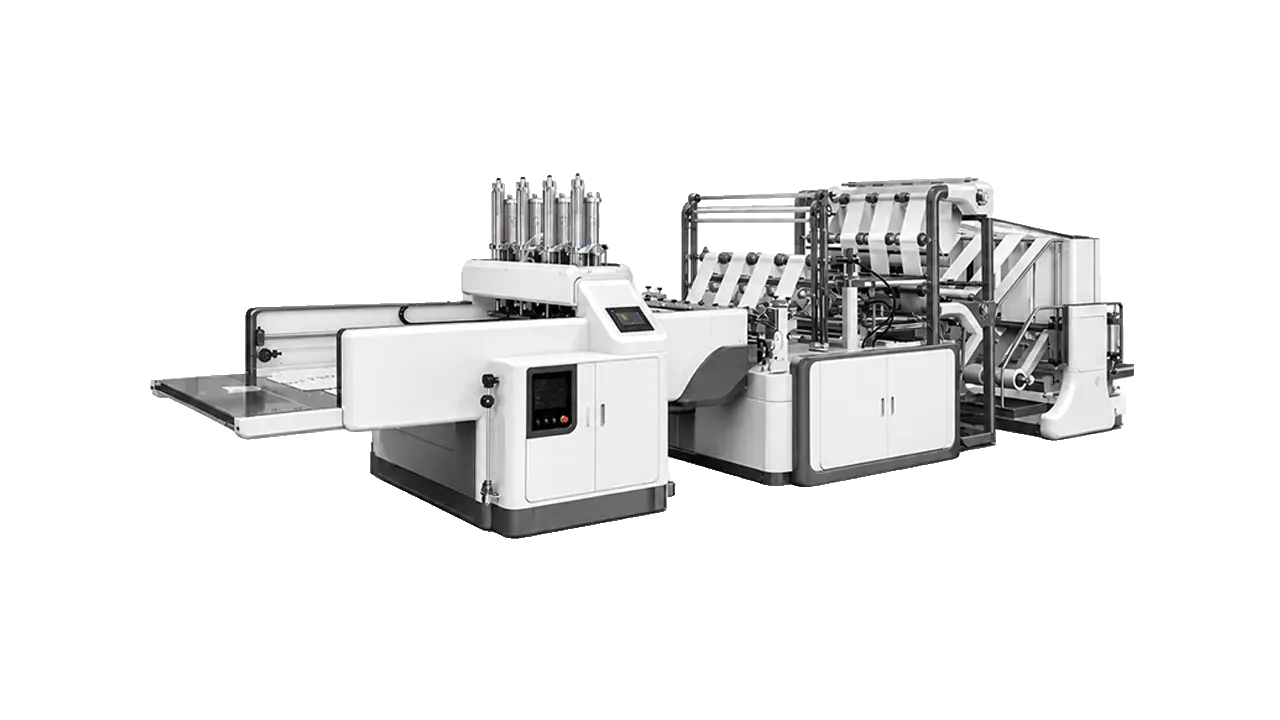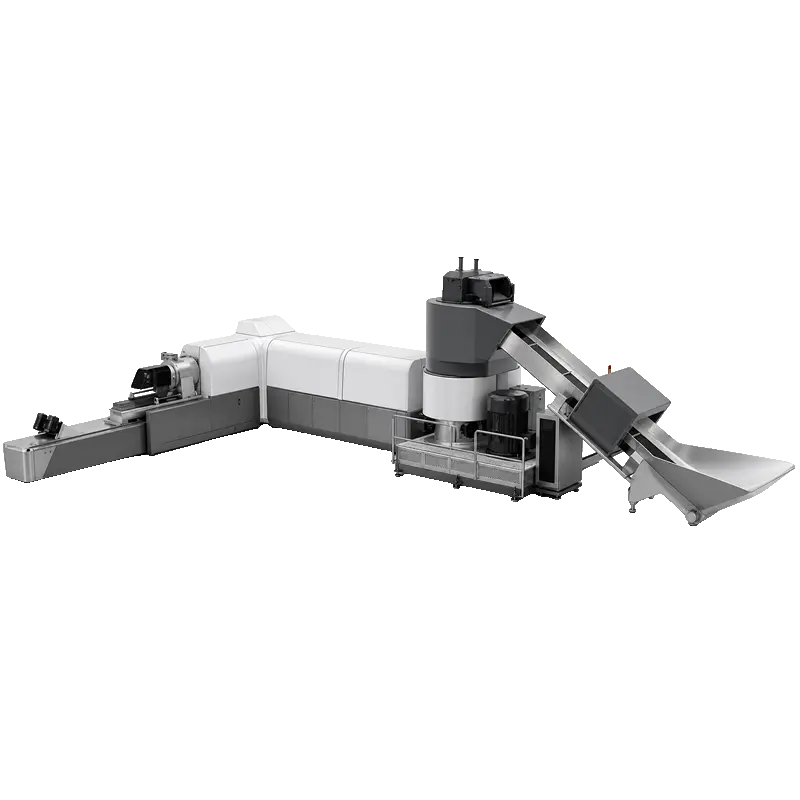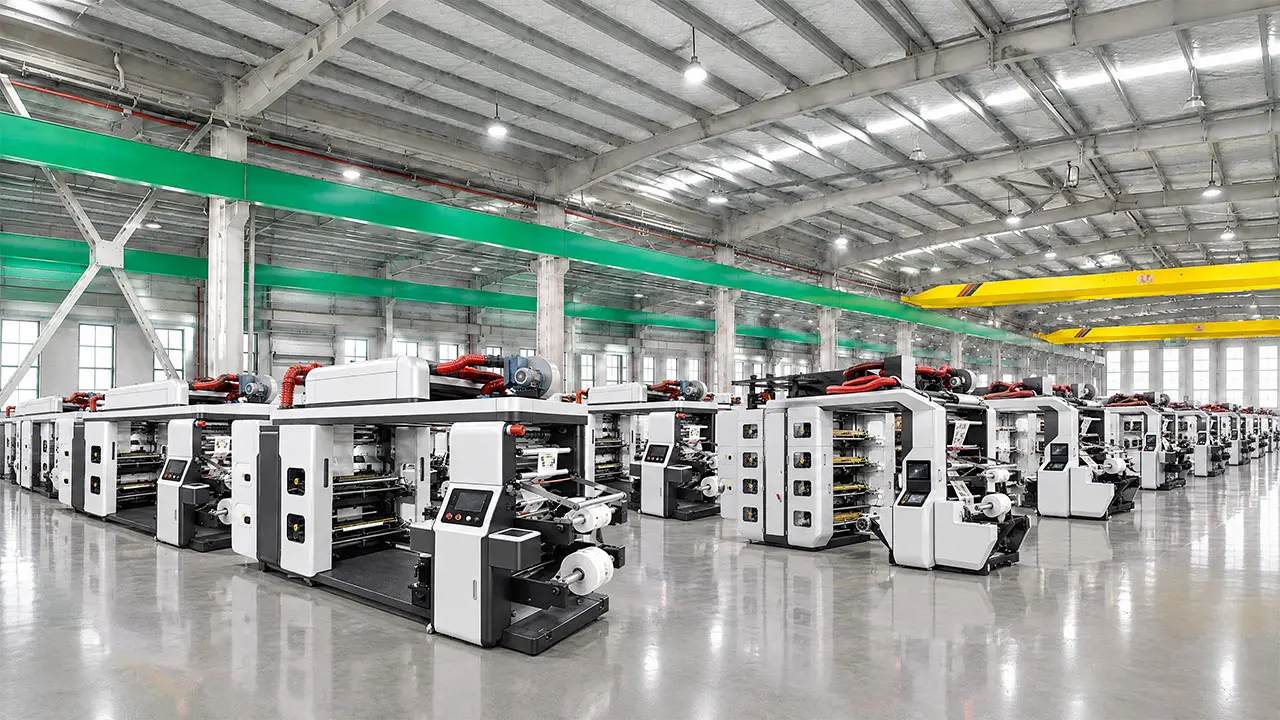
LayerQuestar stack-type flexographic printing machine in operation — multi-color PE film bag printing line
Flexographic Printers

Stack-Type Flexo Printing Machines 2 to 8 Colors

From 2-color logo printing on PE bags to 8-color full-process flexible packaging — LayerQuestar flexo printers cover PE film, PP film, paper, woven bags and non-woven substrates. Standard series for precision and value. High-speed series for volume production at 120 m/min.

2–8 Color Range
120m/min Max Speed
600–1000mm Substrate Width
72hr Factory Run Test
Applications

What Can a Stack-Type Flexo Printer Print?

LayerQuestar stack-type flexographic printing machines are designed for converters who need reliable, repeatable color on flexible substrates — from single-color logo printing on PE bags to 8-color process printing on food-grade flexible packaging.

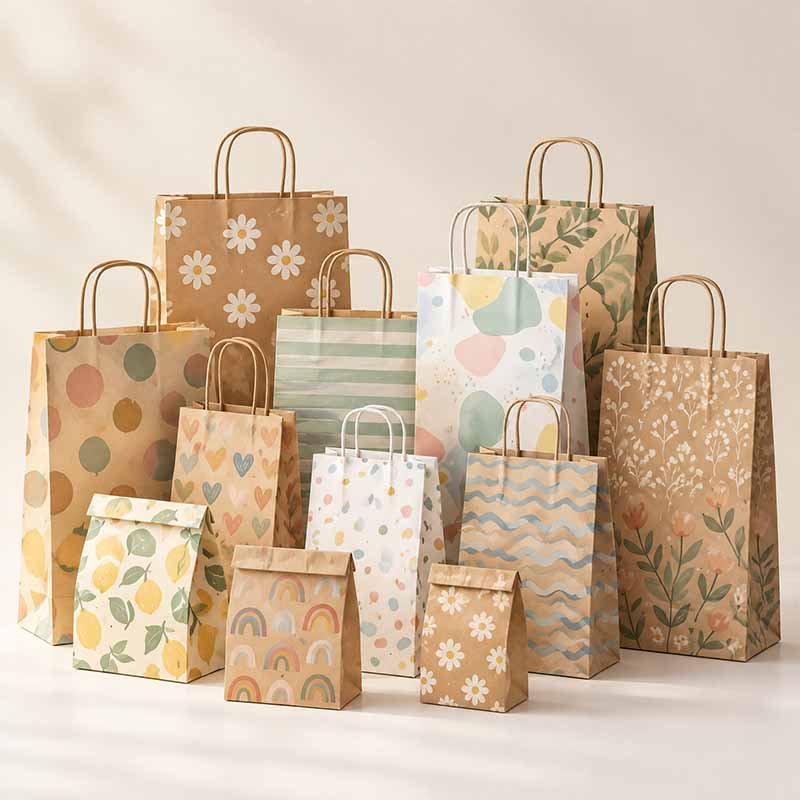
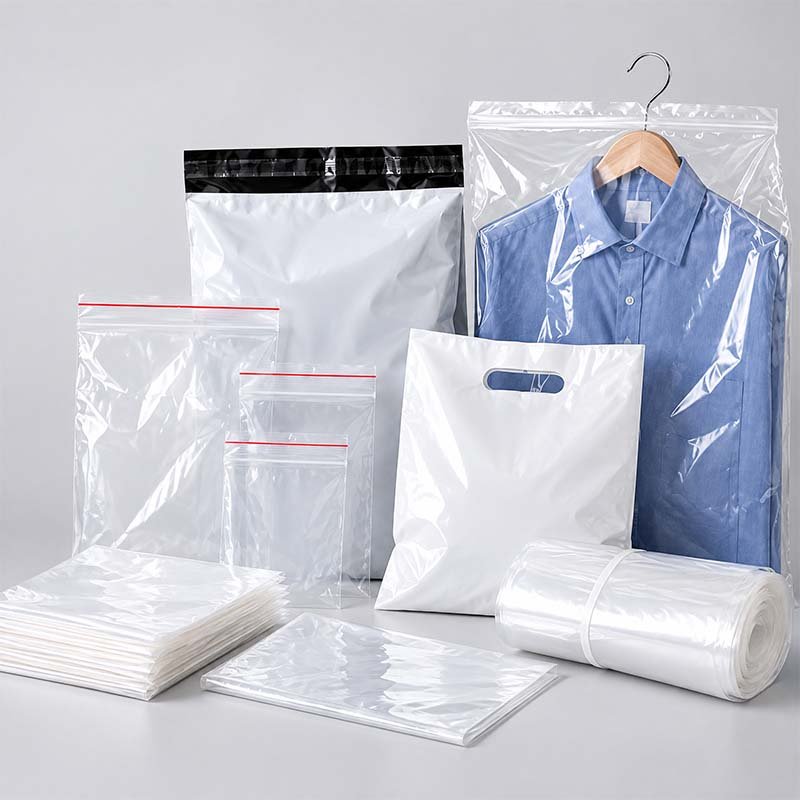
Printed PE and PP plastic film bags — T-shirt bags, courier bags, shopping bags
Most Common

Plastic Film Bags

PE / PP / LLDPE film. T-shirt bags, courier mailer bags, garbage bags, shopping bags, flat-bottom pouches. The primary substrate for all LayerQuestar flexo series.

  • LDPE / HDPE / LLDPE film
  • CPP / BOPP film
  • Courier bag outer layer
  • Stretch film (printed)
Printed kraft paper bags and retail paper shopping bags
Growing Segment

Paper Bags

Kraft paper, white paper, coated paper. Food paper bags, retail shopping bags, takeaway bags. All LayerQuestar flexo series support paper substrates with pressure parameter adjustment.

  • Kraft paper bags
  • White / coated paper bags
  • Food-grade paper packaging
  • Retail shopping bags
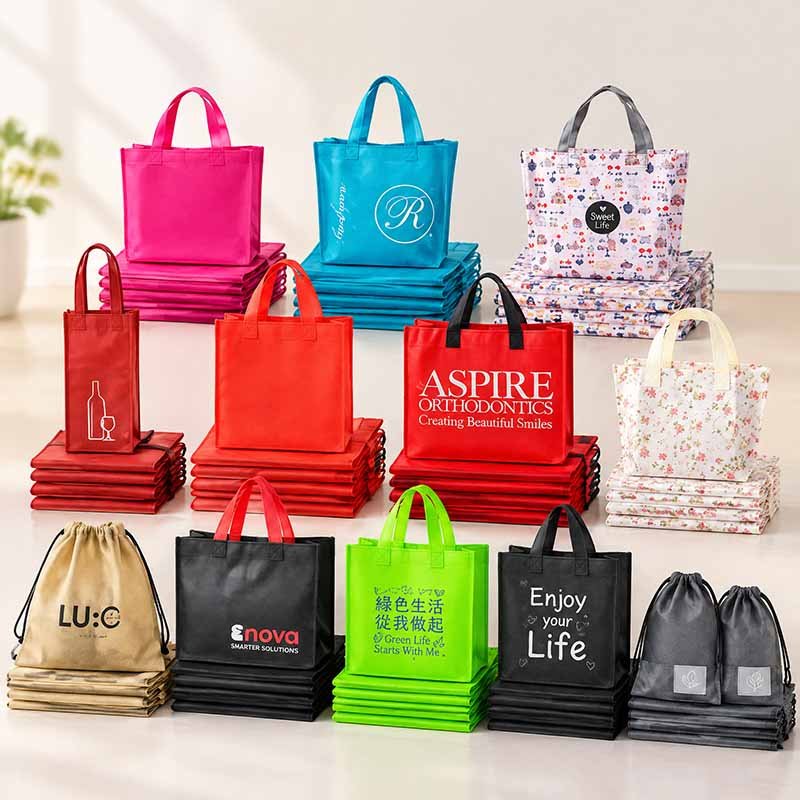
Printed woven bags, non-woven bags and flexible packaging film
Specialty

Woven & Non-Woven

PP woven bags, non-woven fabric bags, agricultural packaging. Suitable for converters serving industrial, agricultural and reusable bag markets.

  • PP woven bags
  • Non-woven fabric bags
  • Agricultural packaging
  • Industrial sacks

The stack architecture of LayerQuestar flexo printers allows each color station to be independently adjusted, making these machines well-suited for short-to-medium run jobs where quick changeover and registration accuracy are priorities. All series are compatible with both water-based and solvent-based inks, depending on substrate and regional environmental regulations.

Technology

How Does a Stack-Type Flexographic Printer Work?

Understanding the print process helps you specify the right machine and communicate clearly with your ink and plate suppliers.

01

Unwind

Substrate roll feeds through hydraulic/pneumatic tension control. EPC edge position system maintains alignment without manual lifting.

02

Color Stations

Each station: ink fountain → anilox roller → plate cylinder → impression cylinder. Each color is applied and dried independently before the next station.

03

Drying

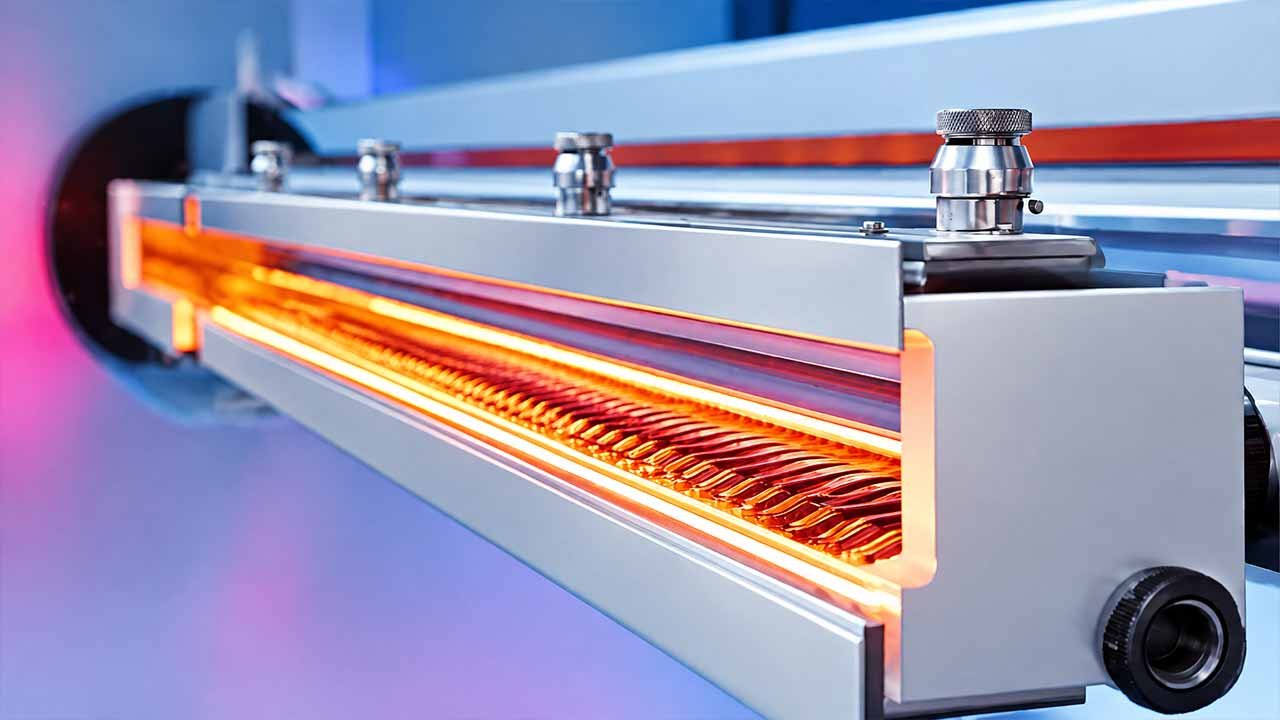
Central constant-temperature heating system. Cold-air shaping bellows (CH series) rapidly sets ink after printing, preventing adhesion and smearing at high speed.

04

Rewind

Friction-type winder produces compact, even roll diameter. Inverter-controlled speed maintains consistent tension throughout the roll build-up.

Key Technical Terms

Anilox Roller Ceramic-engraved roller that meters a precise, controlled volume of ink from the ink fountain to the plate cylinder. Cell volume determines ink density.
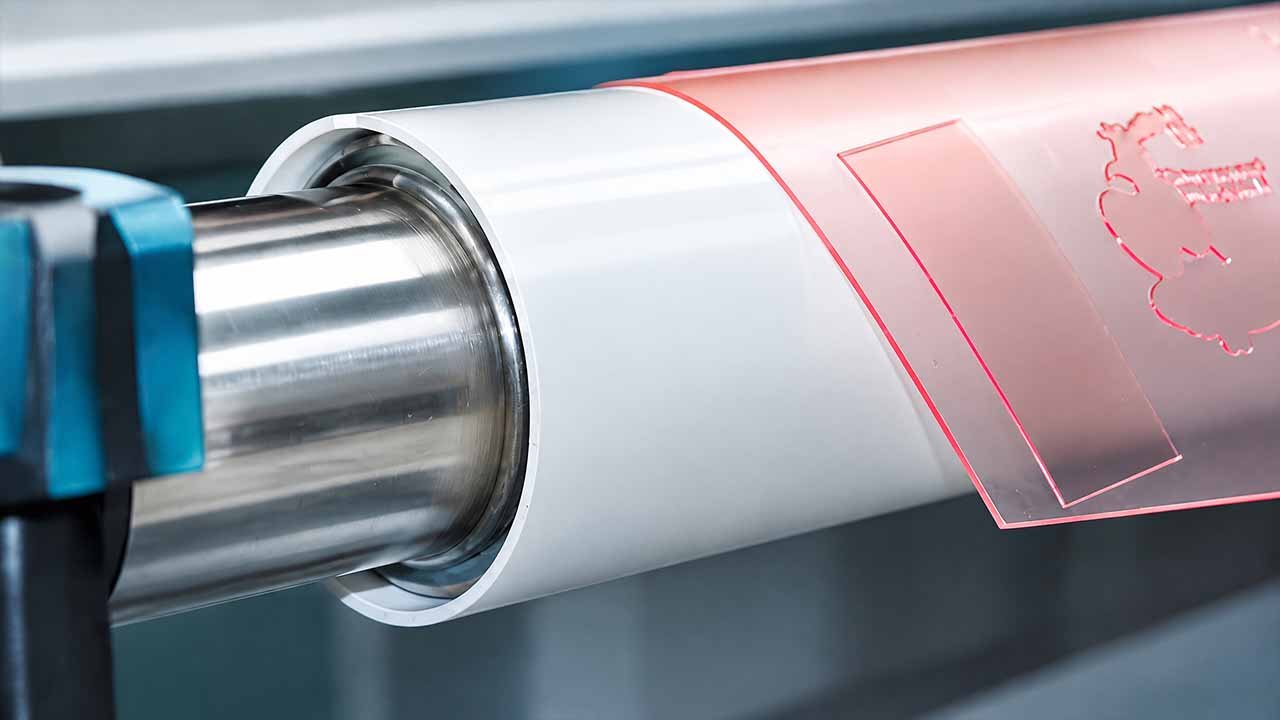
Plate Cylinder Carries the flexible photopolymer printing plate. Plate thickness range: 1.14–3.94mm, compatible with both digital and conventional flexo plates.
Doctor Blade Precision blade that wipes excess ink from the anilox roller surface, ensuring only the engraved cells carry ink to the plate.
Registration The accuracy of color-to-color alignment across all print stations. Synchronous belt drive (CH series) maintains registration accuracy during speed changes.
EPC Edge Position Control — hydraulic system that automatically corrects lateral substrate drift, eliminating the need for manual material re-alignment during production runs.
Stack Architecture Color stations arranged vertically in a linear stack. Each station is independently adjustable, making this configuration ideal for short-to-medium run jobs with frequent job changes.

Standard Series vs. High-Speed Series — At a Glance

Standard Series
LQ-2C · LQ-4C · LQ-6C
5–50 m/min
  • Variable frequency motor drive
  • Lower entry investment
  • Simpler operation and maintenance
  • Ideal for short-to-medium batch runs
  • Faster job changeover
High-Speed Series
LQ-2CH · LQ-4CH · LQ-6CH · LQ-8S
Up to 120 m/min
  • Synchronous belt drive — precise registration at speed
  • Hydraulic EPC — no manual substrate lifting
  • Cold-air shaping bellows — prevents ink adhesion
  • Ideal for large-volume continuous production
  • Higher throughput per shift
Product Series

Find Your Configuration

Select your color count, substrate width and production volume below. All series are available in 600mm, 800mm and 1000mm substrate widths.

How many colors?
Production volume?
All series available in three substrate widths: 600mm (23.6") · 800mm (31.5") · 1000mm (39.4") — select your width on the individual product page.
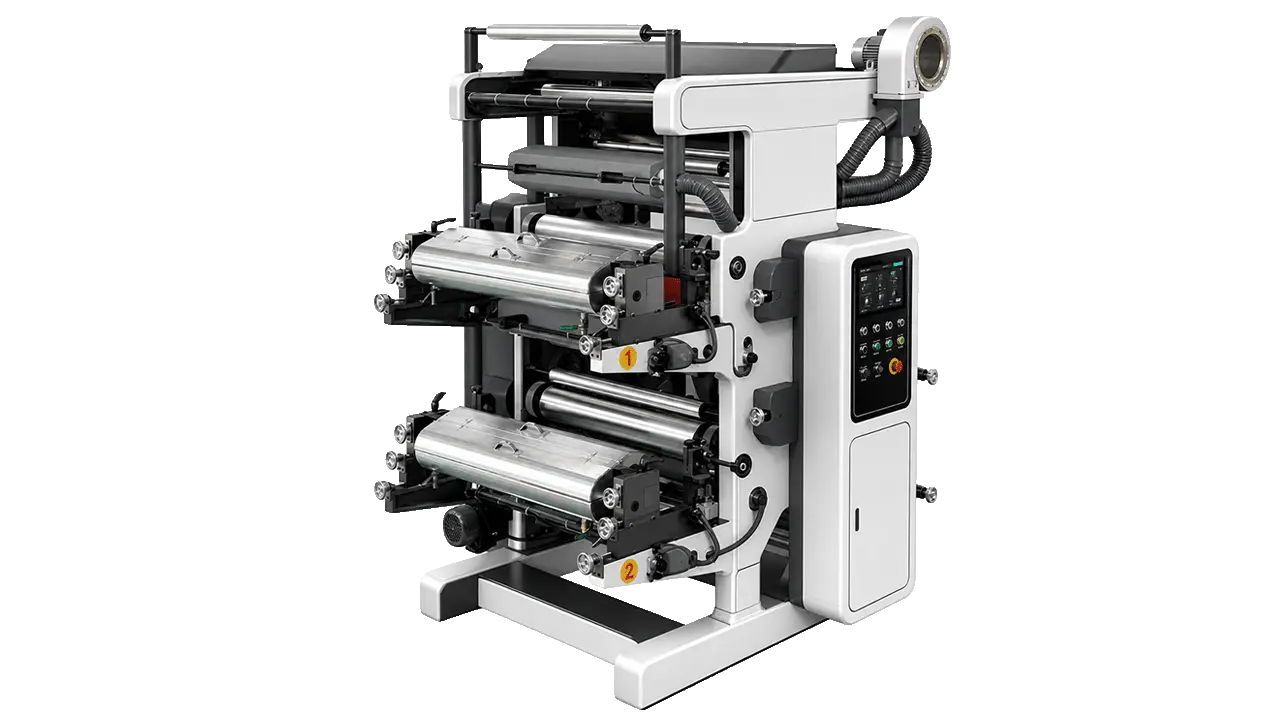
LayerQuestar LQ-2C 2-color standard flexo printing machine
Standard Series

LQ-2C

2-Color Flexo Printing Machine

Colors 2
Speed 5–50 m/min
Width 600–1000mm

Lower entry investment. Simpler operation. Ideal for logo and text printing on PE bags, garbage bags and single-color packaging runs.

View Full Specs
LayerQuestar LQ-2CH 2-color high-speed flexo printing machine
High-Speed Series

LQ-2CH

2-Color High-Speed Flexo Printing Machine

Colors 2
Speed 120 m/min
Width 600–1000mm

Synchronous belt drive. EPC edge control. High-volume 2-color production for converters running large, continuous bag printing orders.

View Full Specs
LayerQuestar LQ-4C 4-color standard flexo printing machine
Standard Series

LQ-4C

4-Color Flexo Printing Machine

Colors 4
Speed 5–50 m/min
Width 600–1000mm

The most popular entry point for retail bag converters. 4-color CMYK-approximate printing for branded shopping bags, food bags and courier packaging.

View Full Specs
LayerQuestar LQ-4CH 4-color high-speed flexo printing machine
High-Speed Series Most Popular

LQ-4CH

4-Color High-Speed Flexo Printing Machine

Colors 4
Speed 120 m/min
Width 600–1000mm

Synchronous belt drive. Hydraulic EPC. The mainstream choice for bag converters running high-volume 4-color orders on PE and PP film.

View Full Specs
LayerQuestar LQ-6C 6-color standard flexo printing machine
Standard Series

LQ-6C

6-Color Flexo Printing Machine

Colors 6
Speed 5–50 m/min
Width 600–1000mm

6-color precision for complex graphics, spot colors and premium retail packaging. Lower investment than the CH series for converters with moderate production volumes.

View Full Specs
LayerQuestar LQ-6CH 6-color high-speed flexo printing machine
High-Speed Series

LQ-6CH

6-Color High-Speed Flexo Printing Machine

Colors 6
Speed 120 m/min
Width 600–1000mm

Synchronous belt drive with dual heating and cold-air shaping. 6-color high-speed production for premium flexible packaging and high-volume retail bag converters.

View Full Specs
LayerQuestar LQ-8S 8-color flagship flexo printing machine — premium flexible packaging
Flagship 8-Color Series

LQ-8S Series

8-Color Flexographic Printing Machine

The LQ-8S is LayerQuestar's highest-capability flexo printing platform — engineered for converters who require the full color range for premium retail packaging, food flexible packaging and export-quality printed film. Maximum color complexity. Maximum substrate coverage. Designed for operations where print quality is a direct competitive advantage.

Explore LQ-8S Series
8 Print Colors
120 m/min Max Speed
1000 mm Max Width
Not sure which model fits your production?

Tell us your substrate, color count and monthly volume. Our team will recommend the right series and width.

Request a Proposal
Already know your spec?

Download the full series comparison sheet with all models, widths and technical parameters.

Download Spec Sheet
Buyer's Guide

How Many Print Colors Do You Actually Need?

The most common mistake is choosing color count based on current products rather than target market. Use this guide to plan ahead.

2

Single brand color + text / barcode

Logo printing, barcode, simple text. Garbage bags, agricultural film, plain courier bags. The lowest-cost entry point for any converter starting out.

Recommended LQ-2C or LQ-2CH
4

Brand colors + CMYK-approximate graphics

Standard retail shopping bags, food bags, courier mailer bags with brand identity. 4-color is the minimum for reproducing most brand guidelines accurately. The most common choice for converters entering the retail bag market.

Recommended LQ-4C or LQ-4CH
6

Complex graphics + spot colors + fine detail

Premium retail packaging, food flexible packaging, export-quality printed bags. 6-color allows CMYK process plus 1–2 spot colors, enabling accurate brand color matching alongside photographic imagery.

Recommended LQ-6C or LQ-6CH
8

Full-process printing + multiple spot colors

Maximum color range for premium flexible packaging, photographic-quality imagery and multi-spot-color brand requirements. For converters where print quality is a direct competitive differentiator in their market.

Recommended LQ-8S Flagship

Standard Series (LQ-xC) or High-Speed Series (LQ-xCH)?

Choose Standard (LQ-xC) if:
  • Your monthly print volume is small to medium
  • You run many different jobs with frequent plate changes
  • Your operators are new to flexo printing
  • Lower initial investment is a priority
  • You want simpler day-to-day maintenance
Choose High-Speed (LQ-xCH) if:
  • You run large, continuous production orders
  • Throughput per shift directly affects your margins
  • You have experienced operators on your team
  • You need EPC for automatic substrate alignment
  • You print on substrates prone to ink adhesion at speed
Substrates

Compatible Printing Substrates

All LayerQuestar flexo series are designed for flexible substrates used in bag making and flexible packaging. Confirm ink system compatibility with your ink supplier for specialty substrates.

Plastic Film

  • LDPE film
  • HDPE film
  • LLDPE film
  • PP film
  • BOPP film
  • CPP film

Pre-corona-treated film recommended. Target surface energy: 38–42 dynes/cm for optimal ink adhesion. [NEEDS CLIENT VERIFICATION]

Paper

  • Kraft paper
  • White paper
  • Coated paper
  • Food-grade paper

Pressure parameters require adjustment for paper substrates. Confirm with LayerQuestar engineering for specific paper weights.

Woven & Non-Woven

  • PP woven bags
  • Non-woven fabric
  • Agricultural packaging

[NEEDS CLIENT VERIFICATION — confirm woven bag compatibility per series]

Build Standard

How LayerQuestar Flexo Printers Are Built

Every machine in the LayerQuestar flexo range is built to the same component and quality standard — from the 2-color entry model to the 8-color flagship.

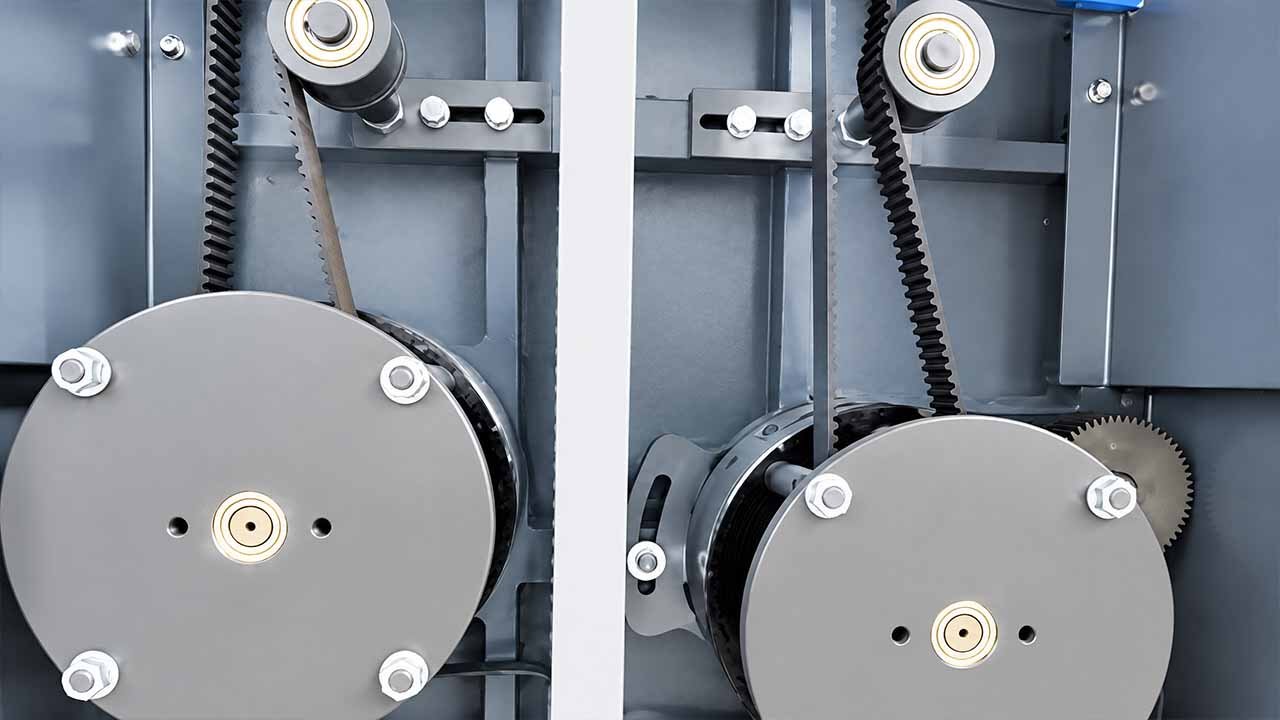
Synchronous belt drive system close-up — LayerQuestar high-speed flexo printing machine

Synchronous Belt Drive

CH Series & LQ-8S

Low-noise synchronous belt transmission maintains precise speed consistency during acceleration and deceleration — the critical window where registration errors occur on conventional drive systems. Color-to-color registration accuracy is preserved across the full speed range up to 120 m/min.

Hydraulic and pneumatic tension control system — LayerQuestar flexo printer unwinder

Hydraulic & Pneumatic Tension

All Series

Dual hydraulic and pneumatic unwinder system with friction-type winder. Produces compact, even roll diameter throughout the production run. Consistent substrate tension is the foundation of consistent ink transfer and registration — particularly important on extensible PE and PP films.

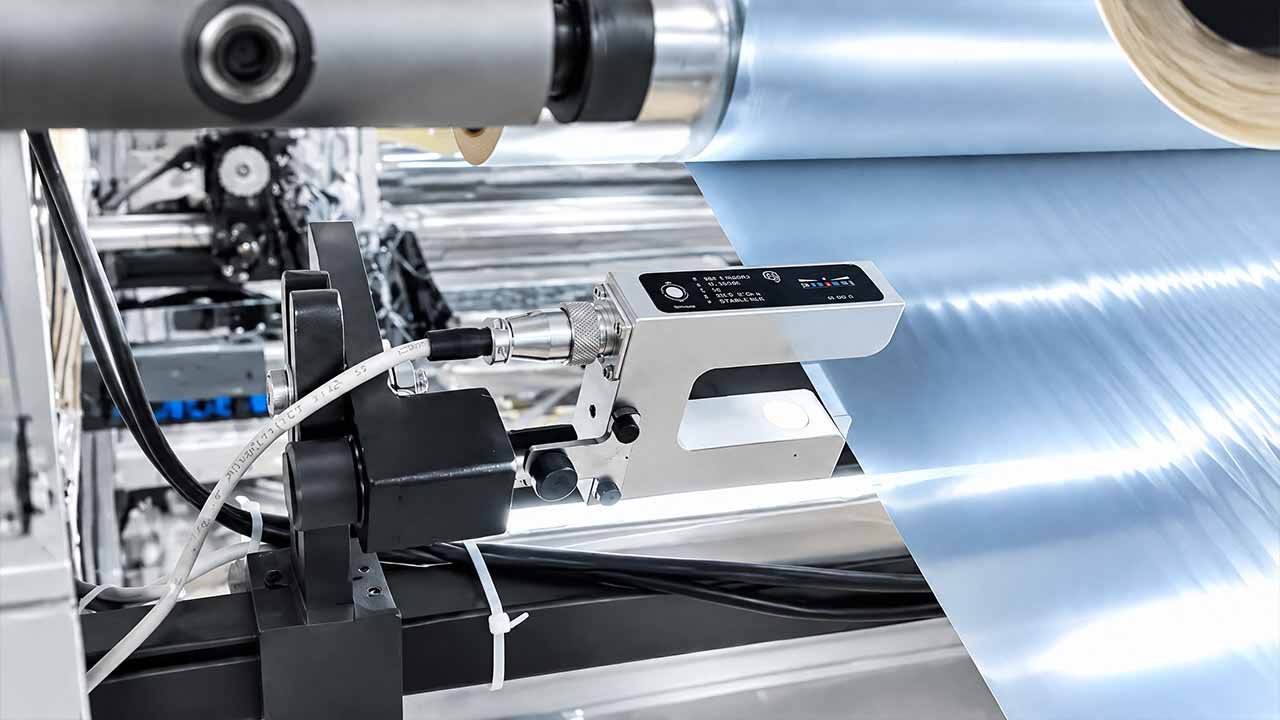
EPC edge position control system close-up — LayerQuestar flexo printer

EPC Edge Position Control

CH Series & LQ-8S

Hydraulic edge position control system automatically corrects lateral substrate drift in real time. No manual material re-alignment required during production runs. Reduces operator intervention, minimises substrate waste from misalignment, and maintains consistent print position across the full roll.

Hard chrome lower roller and aluminium alloy guide wheel close-up — LayerQuestar flexo printer

Precision Roller Engineering

All Series

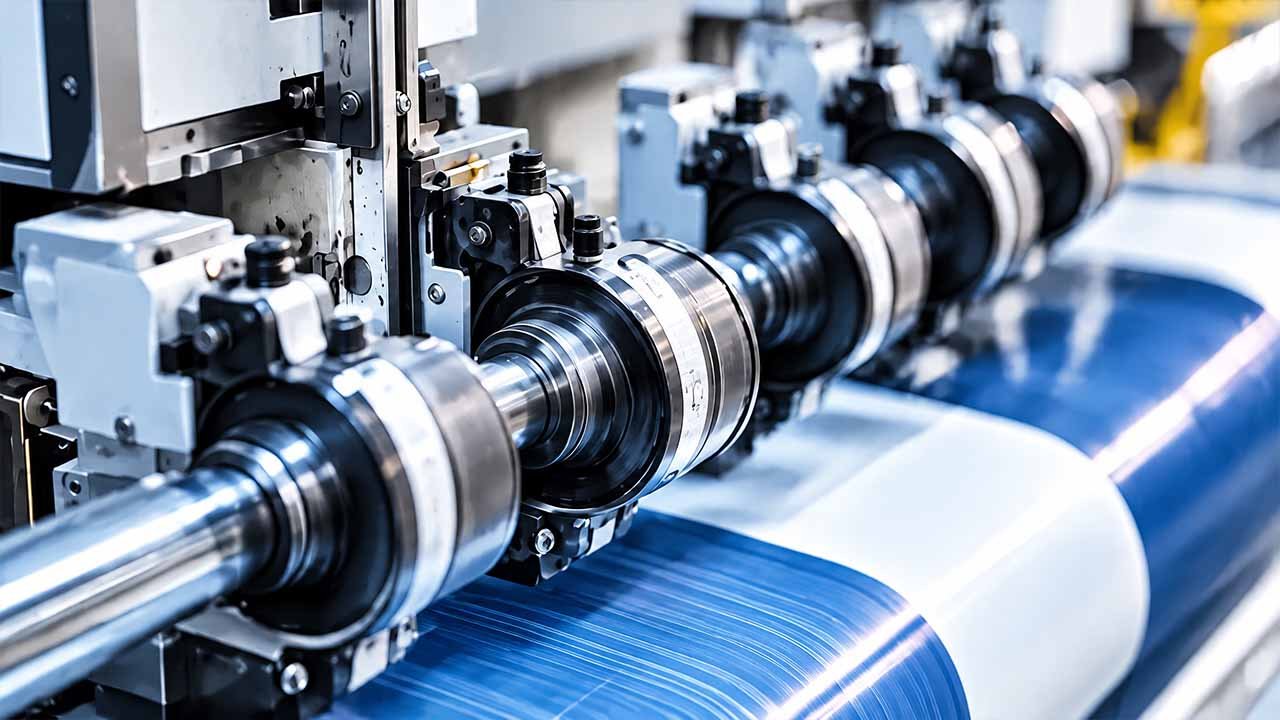
Lower impression rollers machined from special steel and electroplated with a 10-wire thick hard chromium layer for wear resistance and surface consistency. Aluminium alloy guide wheels undergo hard oxidation treatment plus both dynamic and static balancing — eliminating vibration that would otherwise cause registration drift at speed.

Integrated drying system and cold-air shaping bellows — LayerQuestar flexo printer

Integrated Drying & Cold-Air Shaping

CH Series & LQ-8S

Two sets of blowing and heating devices with central constant-temperature control ensure consistent ink cure across the substrate width. Cold-air shaping bellows immediately downstream of the final print station rapidly sets the ink, preventing adhesion, blocking and smearing defects that are common in high-speed film printing above 80 m/min.

LayerQuestar factory acceptance test — 72-hour continuous run on flexo printing machine
Factory Acceptance Test

72-Hour Continuous Run Before Shipment

Every LayerQuestar flexo printer undergoes a 72-hour continuous factory run test before leaving the facility. Test parameters include color registration accuracy across the full speed range, ink transfer consistency across the substrate width, tension stability during acceleration and deceleration, and drying system temperature uniformity. Results are documented and provided with the machine.

National High-Tech Enterprise Provincial Innovative SME 123+ Patents Granted
After-Sales

Support & Spare Parts

LayerQuestar's after-sales commitment covers the full service life of your machine — from installation through to long-term wear part supply.

Installation & Commissioning

LayerQuestar engineers provide on-site installation and commissioning support. Machine documentation, wiring diagrams and operator manuals are supplied in English. [NEEDS CLIENT DATA — confirm on-site service terms and coverage regions]

Wear Parts Supply

Common wear parts are stocked and available direct from LayerQuestar:

  • Anilox rollers
  • Doctor blades
  • Plate cylinder bearings
  • Impression rollers
  • Ink pumps
  • Synchronous belts (CH series)

Remote Technical Support

Remote troubleshooting via video call, WhatsApp and email. LayerQuestar's technical team covers all major time zones. Most operational issues can be diagnosed and resolved remotely without waiting for an on-site visit.

Warranty Coverage

[NEEDS CLIENT DATA — confirm warranty period and terms for flexo printer series]

FAQ

Frequently Asked Questions

Questions buyers ask before purchasing a flexographic printing machine.

What is a stack-type flexographic printing machine?

A stack-type flexographic printing machine arranges its color stations in a vertical linear stack. Each station applies one color to the substrate independently before passing it to the next station. This architecture allows each color unit to be individually adjusted for pressure, ink volume and registration, making it well-suited for flexible film substrates such as PE and PP where substrate extensibility requires careful tension management between stations. LayerQuestar's flexo series uses this stack architecture across all models from 2 to 8 colors.

What is the difference between the LQ-xC standard series and LQ-xCH high-speed series?

The core difference is the drive system and maximum production speed. The standard series (LQ-2C, LQ-4C, LQ-6C) uses a variable frequency motor drive and operates at 5–50 m/min. The high-speed series (LQ-2CH, LQ-4CH, LQ-6CH, LQ-8S) uses synchronous belt transmission, which maintains precise speed consistency during acceleration and deceleration — enabling sustained production speeds up to 120 m/min. The CH series also includes hydraulic EPC edge position control and cold-air shaping bellows, which are not standard on the LQ-xC series. For converters running small-to-medium batch volumes with frequent job changes, the standard series offers lower investment and simpler operation. For high-volume continuous production, the CH series delivers significantly higher throughput per shift.

How many colors do I need to print shopping bags?

For basic logo and text printing on shopping bags, 2 colors is sufficient. For branded shopping bags that need to reproduce a brand's color guidelines accurately — including background color plus logo and text — 4 colors is the practical minimum. 4-color CMYK-approximate printing covers the majority of retail bag designs. If your customers require exact Pantone spot color matching alongside photographic imagery or complex graphics, 6 colors gives you the additional stations needed for spot colors without compromising the CMYK process stations. 8-color printing is reserved for premium flexible packaging where maximum color range and photographic quality are required.

What substrate widths are available, and how do I choose the right one?

All LayerQuestar flexo series are available in three substrate widths: 600mm, 800mm and 1000mm. The maximum printing width is 40mm narrower than the maximum substrate width (e.g., the 800mm model prints up to 760mm). To choose the right width, identify the widest bag or substrate you need to print, add the required margins, and select the model whose maximum printing width comfortably covers that dimension. The 800mm model is the most common choice for standard shopping bag and courier bag production. The 1000mm model suits wide-format substrates or gang printing of multiple narrow bags side by side. The 600mm model is suitable for narrow-format production or space-constrained facilities.

What printing materials and substrates are compatible?

All LayerQuestar flexo series are compatible with PE film (LDPE, HDPE, LLDPE), PP film, BOPP film, CPP film, kraft paper, white paper, coated paper, woven bags and non-woven fabric. For PE and PP film substrates, pre-corona treatment to a surface energy of 38–42 dynes/cm is recommended for optimal ink adhesion. Confirm ink system compatibility (water-based vs. solvent-based) with your ink supplier based on your substrate and local environmental regulations. [NEEDS CLIENT VERIFICATION — confirm full substrate list per series]

What plate thickness does the machine accept?

All LayerQuestar flexo series accept plate thicknesses from 1.14mm to 3.94mm. This range accommodates both thin digital photopolymer plates (commonly 1.14mm or 1.70mm) and thicker conventional flexo plates, giving converters the flexibility to use their existing plate inventory or adopt new plate technologies without changing equipment.

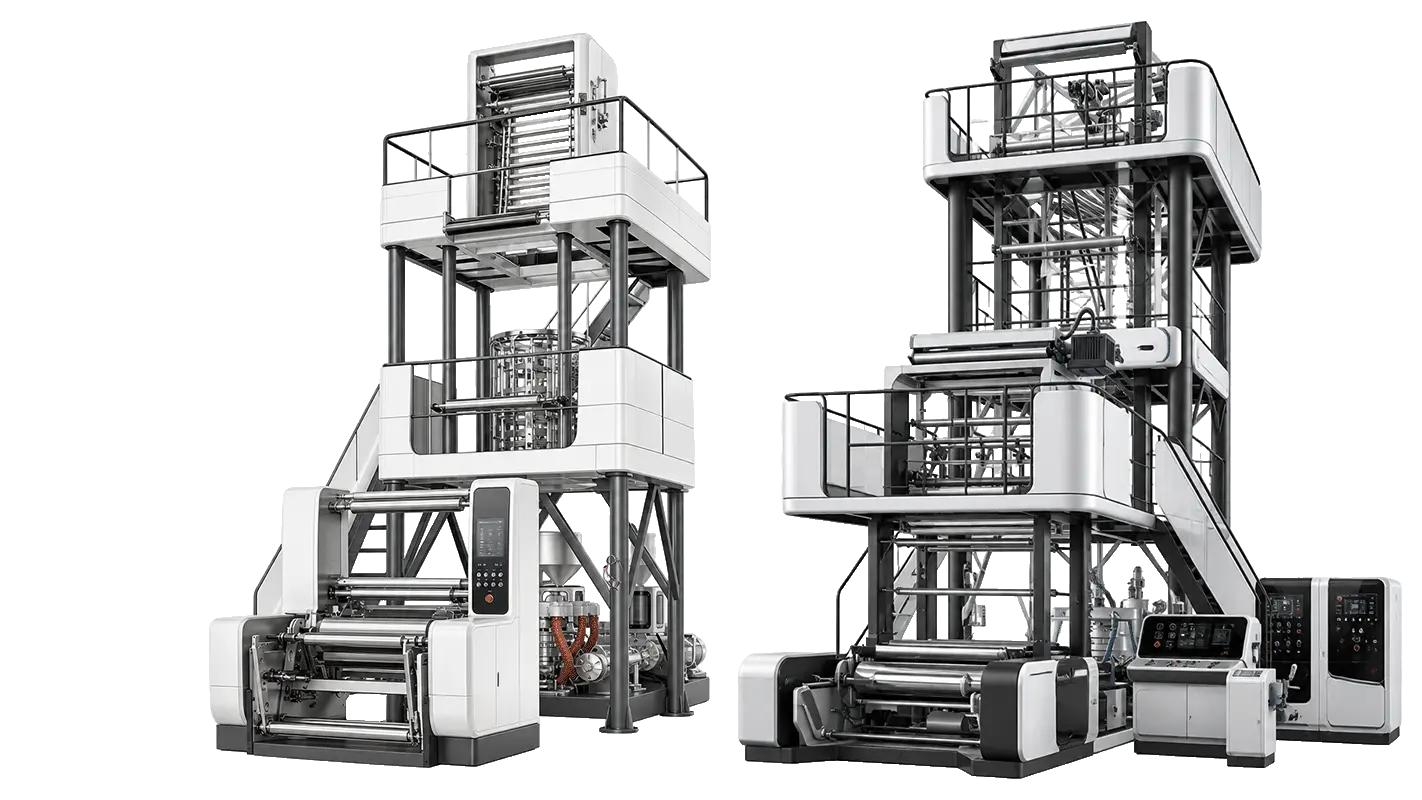
Can I connect a LayerQuestar flexo printer to my existing blown film line?

Yes. LayerQuestar flexo printers operate as standalone roll-to-roll machines and are compatible with film rolls produced by any blown film line, provided the roll diameter and core size are within the machine's specification. If you are purchasing a new blown film line alongside a flexo printer, LayerQuestar can configure both machines to use compatible roll specifications, simplifying material handling between the two lines. Contact LayerQuestar's engineering team with your existing film line specifications for a compatibility assessment.

What after-sales support does LayerQuestar provide for flexo printers?

LayerQuestar provides on-site installation and commissioning support, remote troubleshooting via video call and WhatsApp, English-language machine documentation and operator manuals, and direct spare parts supply for all wear items including anilox rollers, doctor blades, plate cylinder bearings, impression rollers, ink pumps and synchronous belts. Every machine undergoes a 72-hour continuous factory run test before shipment. For warranty terms and on-site service coverage in your region, contact info@layerquestar.com.

Get Started

Ready to Configure Your
Flexo Printing Machine?

Tell us your substrate, color count and target production speed. LayerQuestar's engineering team will recommend the right series, model and width — and provide a detailed configuration proposal.

Machines operating in 120+ countries
72-hour factory run test on every machine
123+ patents granted