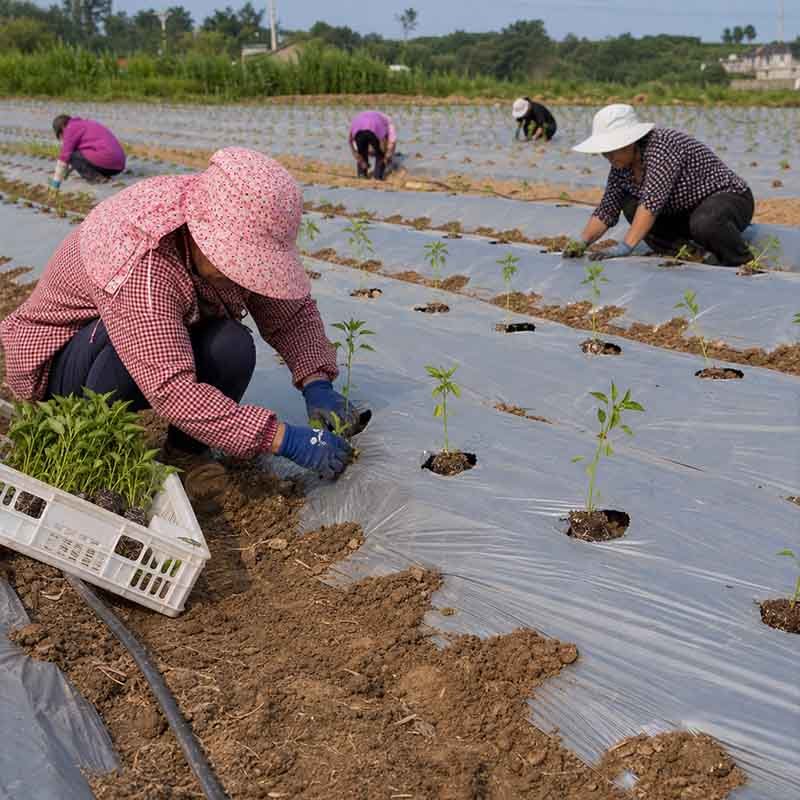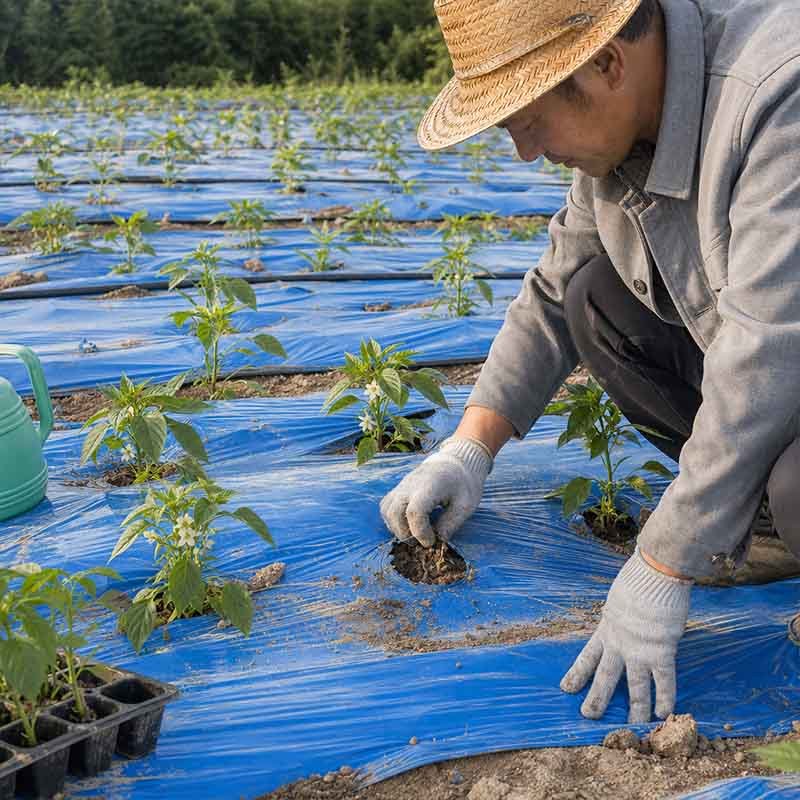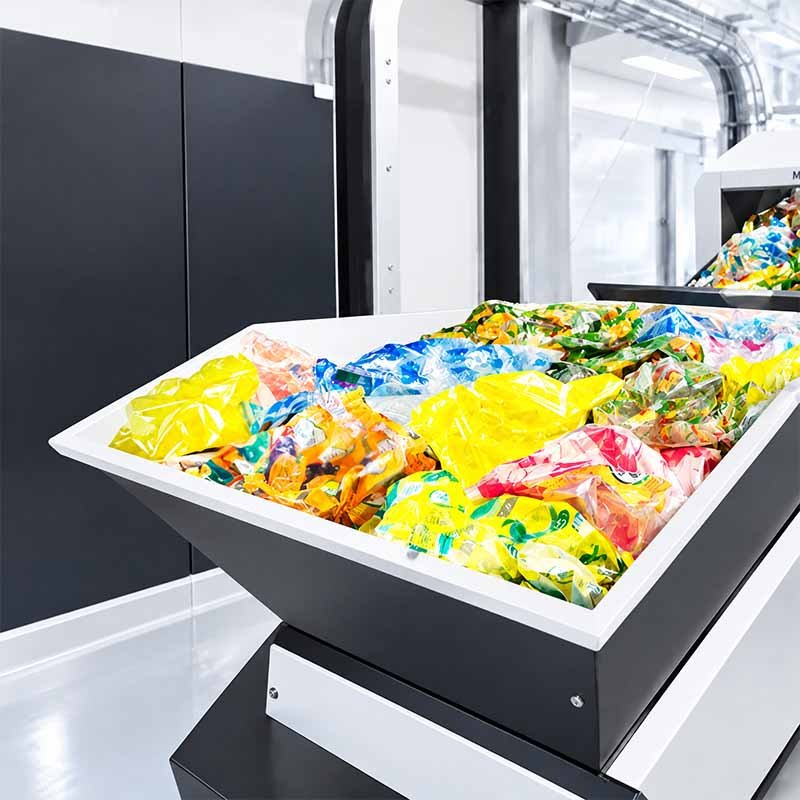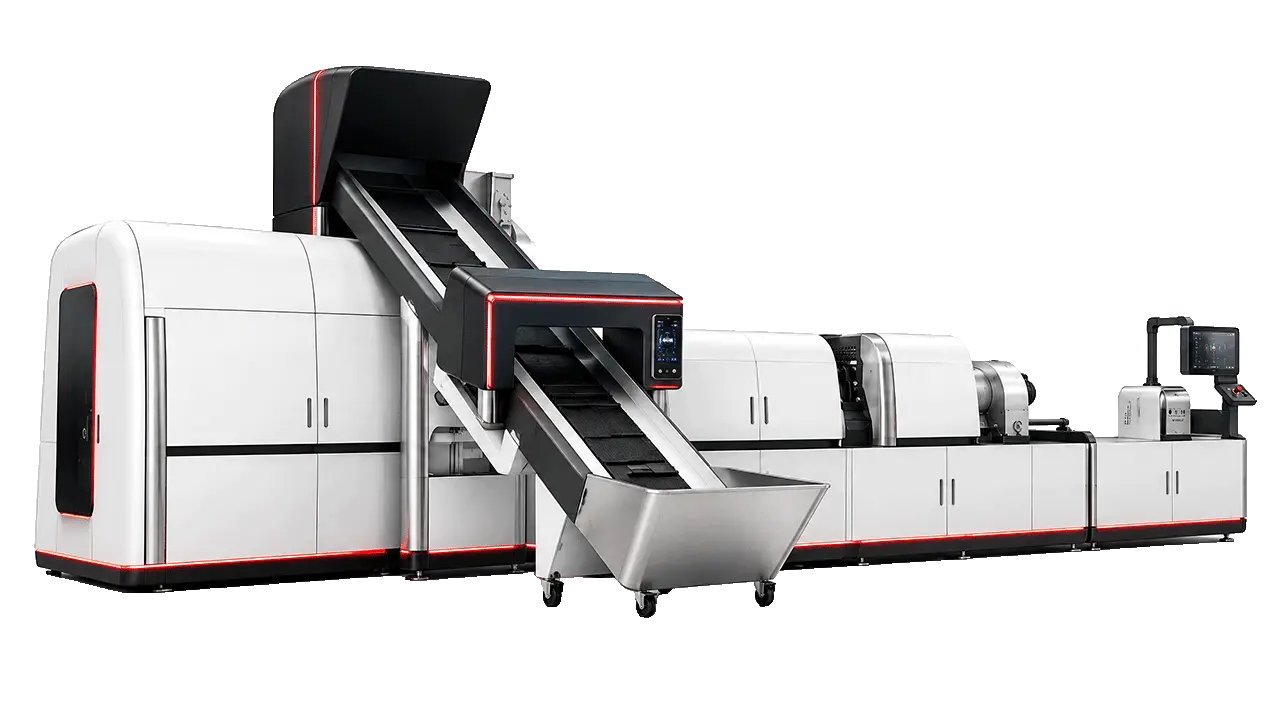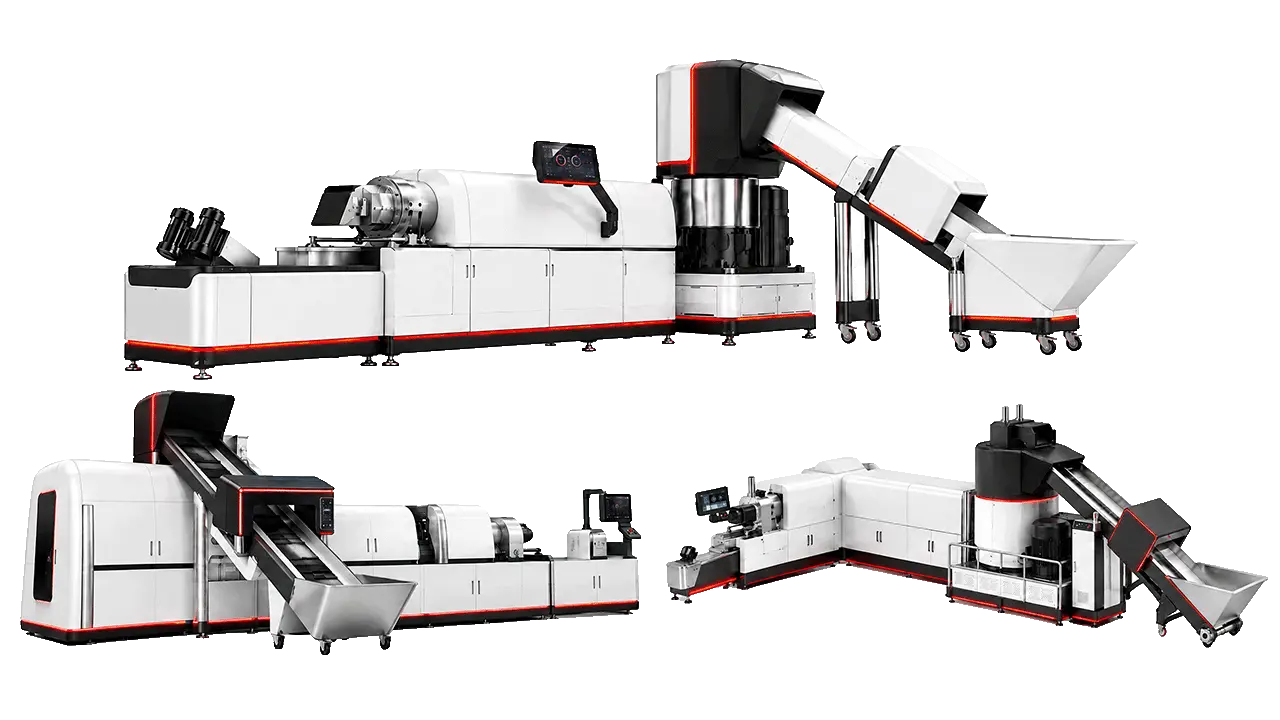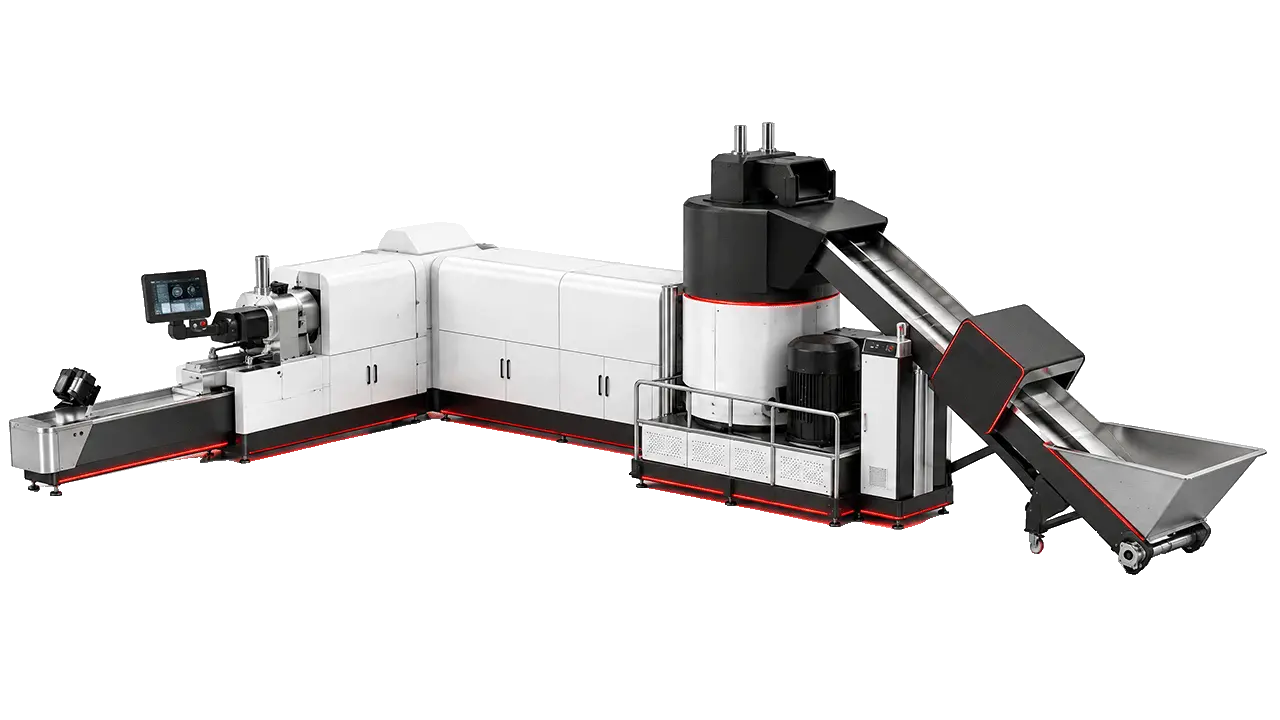
Field-contaminated agricultural mulch film bales ready for recycling — LayerQuestar agricultural film recycling line
RECYCLING LINES · LDPE / LLDPE · MULCH / GREENHOUSE / SILAGE

Agricultural Film Recycling Line:
From Field-Contaminated Bale to Marketable Pellet

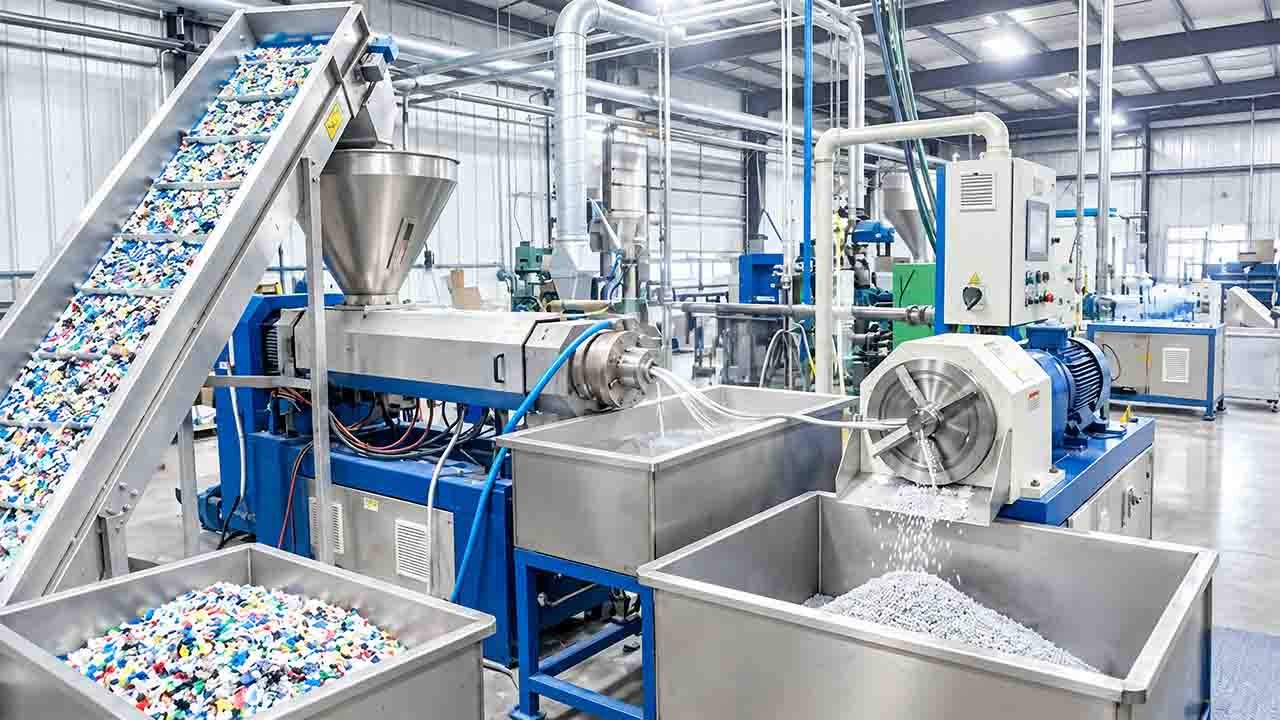
Engineered for the hardest plastic to recycle. Mulch film with 30–80% soil contamination, greenhouse film, silage wrap. Multi-stage wet washing, two-stage extrusion, water-ring pelletizing. 100–500 kg/h.

30–80% Contamination Handled
≤1%H₂O Before Extrusion
Multi-Stage Wet Wash System
72hr FAT Every Line
Technical Context

Why Agricultural Film Is the Hardest Plastic to Recycle

Agricultural film is not simply "dirty PE film." It is a fundamentally different input material — and understanding why determines whether your recycling project succeeds or fails.

Comparison of contamination levels: industrial PE film vs agricultural mulch film

Contamination: 30–80%

Industrial PE film offcuts carry 5–15% contamination. Post-consumer PP woven bags: 10–30%. Field-collected mulch film carries 30–80% soil, sand and organic residue — the highest of any recyclable plastic stream.

Industrial PE offcuts
≤15%
PP woven bags
≤30%
Mulch film (field)
30–80%
Low bulk density agricultural film bales — feeding challenge for recycling extruders

Bulk Density: 15–30 kg/m³

Agricultural film collected from the field has an extremely low bulk density of 15–30 kg/m³. Standard screw feeders cannot maintain consistent throughput at this density. A dedicated compactor or forced-feeding unit is required — without it, the extruder starves.

Industrial film 80–120 kg/m³
Agricultural film (field) 15–30 kg/m³
Variable contamination in agricultural film — seasonal and regional differences

Contamination Is Unpredictable

Industrial waste has stable, predictable contamination. Agricultural film does not. The same region can produce mulch film with 3× more soil in the dry season than the wet season. Equipment must be sized for peak contamination, not average — and the process must include incoming material testing before sizing any line.

Practical implication: Representative bale sampling before equipment specification is not optional — it determines washing system sizing, water loop capacity, and reject handling volume.

Agricultural film is among the most technically challenging plastic streams to recycle mechanically. Published research from Washington State University (2024) documents surface contamination ratios of 30–80% on field-recovered mulch film, primarily soil and plant debris — far exceeding the contamination levels of industrial PE film waste. This contamination profile requires purpose-built multi-stage wet washing systems. LayerQuestar Machinery agricultural film recycling lines are configured from the ground up for high-contamination input: dry pre-cleaning before the water loop, high-speed friction washing, float-sink separation, optional hot-wash for pesticide-laden material, and dual-stage dewatering to achieve ≤1% moisture before extrusion.

Who Is This Line For

Three Market Scenarios — Which One Is Yours?

Agricultural film recycling serves three fundamentally different business models. The right equipment configuration depends on which scenario you are in — not just on throughput.

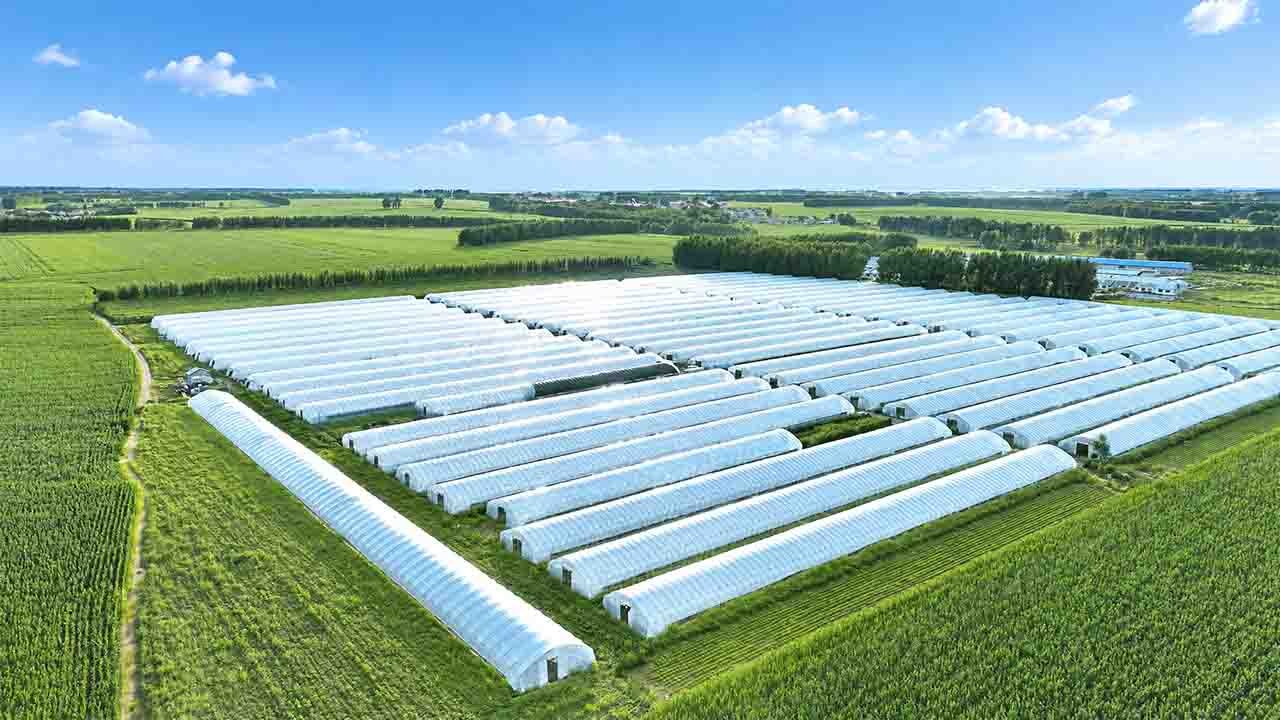
Agricultural cooperative processing own greenhouse film waste on-site
Scenario A

Agricultural Park / Cooperative

You generate your own greenhouse or tunnel film waste and want to process it on-site to reduce disposal costs and recover value.

  • Waste source: own greenhouse / tunnel / silage film
  • Contamination: medium (★★) — predictable
  • Input controllability: high
  • Recommended capacity: 100–200 kg/h
  • Business driver: cost saving
Key question: Do you have a stable water source and wastewater discharge conditions?
Regional government agricultural film collection and centralized recycling project
Scenario B

Regional Government / Collection Project

You are running a regional agricultural film collection program, processing mixed farm film centrally to meet environmental compliance targets.

  • Waste source: mixed regional farm film, including mulch
  • Contamination: high to extreme (★★★)
  • Input controllability: low — seasonal, variable
  • Recommended capacity: 200–400 kg/h + hot-wash unit
  • Business driver: policy compliance + subsidy
Key question: Is there a guaranteed minimum waste supply volume to justify the investment?
Professional recycling operator purchasing mixed agricultural film and selling pellets
Scenario C

Professional Recycler / Pellet Producer

You purchase mixed farm film from multiple sources, process it into rLDPE pellets, and sell to downstream converters. Margin depends on the spread between input cost and pellet price.

  • Waste source: purchased mixed agricultural film
  • Contamination: extreme (★★★), highly variable
  • Input controllability: very low — requires incoming QC
  • Recommended capacity: 300–500 kg/h, full configuration
  • Business driver: commercial margin
Key question: Is there sufficient downstream demand for rLDPE pellets in your market?

Not sure which scenario fits your situation? That is normal — many agricultural film recycling projects start without a clear picture of their waste supply structure. Send us your film type, target daily volume and location → LayerQuestar Machinery's engineering team will help you assess feasibility before you commit to a configuration.

Process Engineering

Complete Recycling Process — Step by Step

Every step below is present in a full agricultural film recycling line. The notes explain why agricultural film requires each step when other plastic streams do not.

01

Incoming Material Inspection + Bale Opening

Identify prohibited loads. Open bales under controlled conditions.

Agricultural film specific: Inspect for drip tape with rigid fittings, metal wire, stones and unknown polymer types. These must be removed before the line starts — they cannot be separated downstream.
02

Dry Pre-Cleaning — Trommel Screen

Remove loose soil, sand and stones before the material enters the water loop.

Agricultural film specific: This step is unique to high-contamination agricultural film. It reduces the soil load entering the washing system by 30–50%, protecting downstream equipment from abrasive wear and reducing water treatment burden.
03

Low-Speed High-Torque Shredder

Reduce large film sheets to a consistent, washable flake size.

Agricultural film specific: High-speed granulators cause film to wrap around the rotor shaft. Agricultural film recycling requires low-speed, high-torque shredders with anti-wrap blade geometry.
04

Pre-Wash Tank + Soaking

Initial water rinse. Heavy contaminants — stones, sand, metal fragments — sink and are removed early.

Agricultural film specific: The volume of sediment removed at this stage is far larger than in industrial film recycling. Tank sizing and sediment discharge capacity must be specified for agricultural film loads, not standard PE film loads.
05

High-Speed Friction Washer

Fast-rotating paddles scrub film surfaces, releasing adhered soil and fine organic particles through a screened cylinder.

Rotor speed and residence time must be calibrated to actual incoming material — not copied from a generic specification. Over-aggressive settings fragment thin mulch film into fines that are lost with the wash water.
06

Float-Sink Separation Tank

Density-based separation. LDPE/LLDPE (specific gravity <1.0) floats. Sand, soil, glass and denser polymers sink.

This is the primary separation stage. Water quality in this tank directly affects separation efficiency — the closed-loop water recycling system must maintain clean separation water.
07

Hot-Wash Unit Optional

Heated water (and optional mild detergent) removes pesticide residues, oils and stubborn organic contamination.

Mulch film: recommended. Greenhouse and silage film: assess based on contamination type. Hot-wash adds energy cost and increases wastewater treatment complexity — do not specify it by default without evaluating incoming material.
08

Centrifugal Dewatering + Hot-Air Drying

Two-stage moisture removal. Centrifugal spin removes free water. Hot-air pipe drying reduces residual surface moisture.

Target: ≤1% moisture before the extruder — not ≤3%. LDPE/LLDPE is highly sensitive to moisture during extrusion. Above 1%, steam bubbles form in the melt, creating internal voids in pellets that degrade downstream blown film and stretch film performance. The ≤3% standard used for PP woven bags does not apply here.
09

Compactor / Forced-Feed Unit

Pre-compacts low-bulk-density film flakes before the extruder throat.

Agricultural film specific: At 15–30 kg/m³ bulk density, standard gravity feeding causes the extruder to starve at speed. A compactor or forced-feed screw is required to maintain consistent throughput. This step is often omitted in generic line quotations — confirm it is included before comparing prices.
10

Two-Stage Extrusion + Vacuum Degassing

First stage melts and homogenises. Second stage degasses and builds pressure for filtration and pelletizing.

Two-stage extrusion is the standard configuration for agricultural film. Single-stage extrusion cannot provide sufficient degassing residence time for the volatile organic compounds and residual moisture present in agricultural film input. Minimum 2 degassing zones required.
11

Continuous Screen Changer + Fine Filtration

Removes residual solid particles from the melt without stopping the line.

Agricultural film specific: Screen change frequency is significantly higher than for industrial film due to residual sand and inorganic particles in the melt. A continuous (non-stop) screen changer is not optional — a manual screen changer would require frequent production stops.
12

Water-Ring Pelletizing → Vibrating Screen → Silo

Die-face cutting in water produces uniform cylindrical pellets. Vibrating screen removes fines and oversized particles. Pellets conveyed to storage silo.

Drip tape cannot be processed on this line. Drip irrigation tape contains rigid plastic fittings (typically PP or ABS) and metal emitters. Mixed into a film recycling line, they damage shredder blades, block the screen changer and contaminate pellets. If your waste stream includes drip tape, contact us for a separate assessment.
Site Requirements

Wastewater: The Question You Must Answer Before You Build

Wet washing produces wastewater. This is not a footnote — it is a site qualification requirement. Confirm these conditions before selecting a location.

What Does Agricultural Film Wash Water Contain?

Suspended solids (soil, fine sand)
Pesticide residues (crop-dependent)
Organic matter (plant residue, humus)
Surfactants (if hot-wash detergent is used)

This wastewater cannot be discharged directly in most jurisdictions. Industrial wastewater discharge standards apply in China (GB 8978), the EU (Industrial Emissions Directive), and most Southeast Asian, South Asian and Latin American markets.

Three Wastewater Management Paths

Path 1

Closed-Loop Water Recycling

Wastewater is treated by sedimentation and filtration, then recirculated. Only evaporation losses are topped up with fresh water. This is the recommended configuration for sites with limited water supply or strict discharge limits.

Recommended Investment: medium

LayerQuestar Machinery standard configuration can include a closed-loop water treatment module.

Path 2

Sedimentation + Permitted Discharge

Wastewater passes through settling tanks to remove suspended solids, then is discharged under a local environmental permit. Requires approval from local environmental authority before construction.

Permit Required Investment: lower

Confirm local discharge standards for suspended solids and pesticide residues before selecting this path.

Path 3

Industrial Park Shared Treatment

If the facility is located within an industrial park with centralised wastewater treatment, connection to the park system may be possible. Confirm the park accepts this wastewater category before committing to the site.

Site-Dependent Investment: outsourced

Confirm These Three Points Before Selecting Your Site

  1. Stable water source available? Wet washing consumes approximately 5–15 tonnes of water per tonne of film processed, depending on contamination level and whether closed-loop recycling is implemented.
  2. Wastewater discharge permit obtainable, or industrial park connection available? This is a regulatory question that must be answered before equipment is ordered, not after installation.
  3. Local regulations on pesticide-containing wastewater? Some jurisdictions impose additional requirements on wastewater from agricultural plastic processing. Verify with local environmental authority if mulch film from pesticide-treated crops is in your input stream.
Pellet Downstream

Where Do Your Pellets Go? Downstream Applications

Understanding your pellet market before you build is as important as selecting the right equipment. rLDPE pellets from agricultural film have specific characteristics that determine which applications will accept them.

rLDPE pellets from agricultural film recycling are not suitable for food-contact packaging due to trace pesticide residues and degradation additives in the original material. This is a material characteristic, not an equipment limitation. Knowing this upfront allows you to target the right downstream markets.

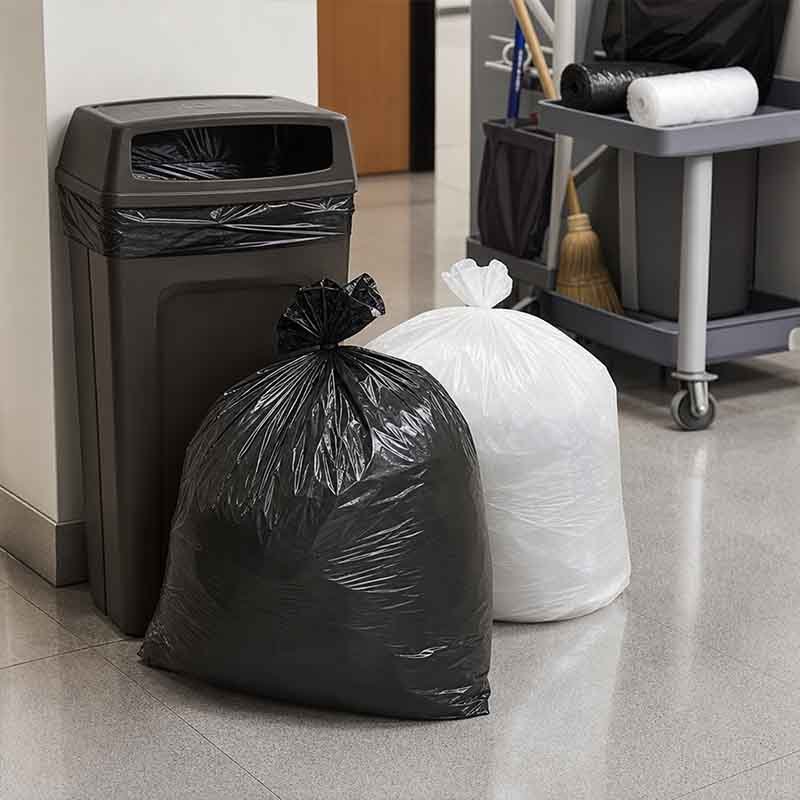
Black garbage bags produced from recycled agricultural film rLDPE pellets
Primary Market

Garbage Bags

The largest and most accessible market for rLDPE from agricultural film. Black or dark-coloured bags conceal colour inconsistencies in recycled resin. MFI requirements are relatively tolerant. Global demand is large and consistent.

Pellet quality required: Medium and above
Colour tolerance: High — dark colour acceptable
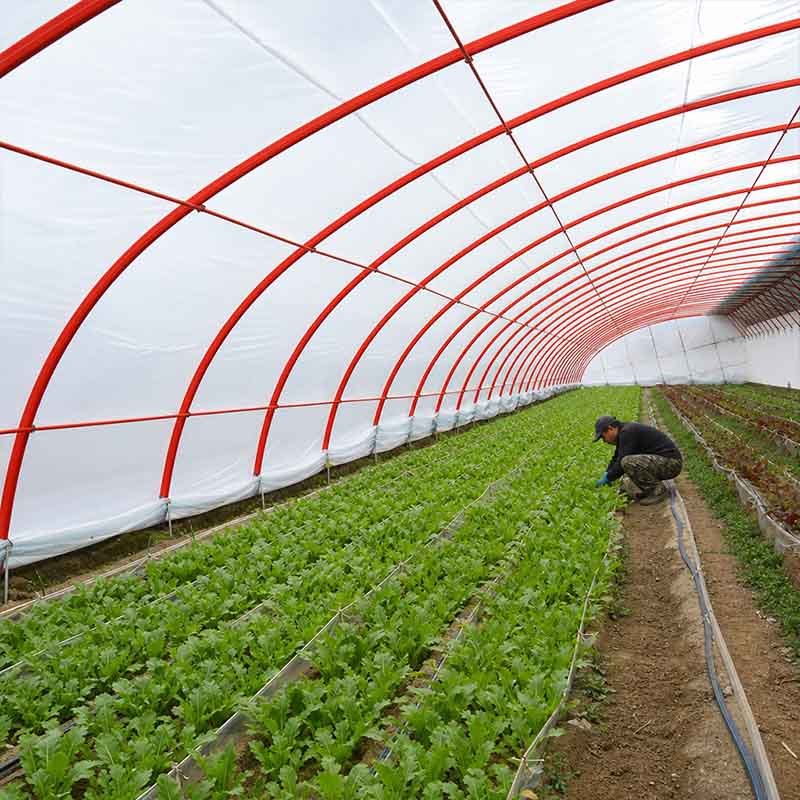
New agricultural mulch film produced with PCR rLDPE content from recycled farm film
Growing Market

New Agricultural Film (PCR Content)

Some markets accept mulch film and greenhouse film with a defined percentage of post-consumer recycled (PCR) rLDPE content. Colour and transparency requirements are low. MFI consistency is important for stable blown film production.

Pellet quality required: Medium and above
Key requirement: Stable MFI batch-to-batch
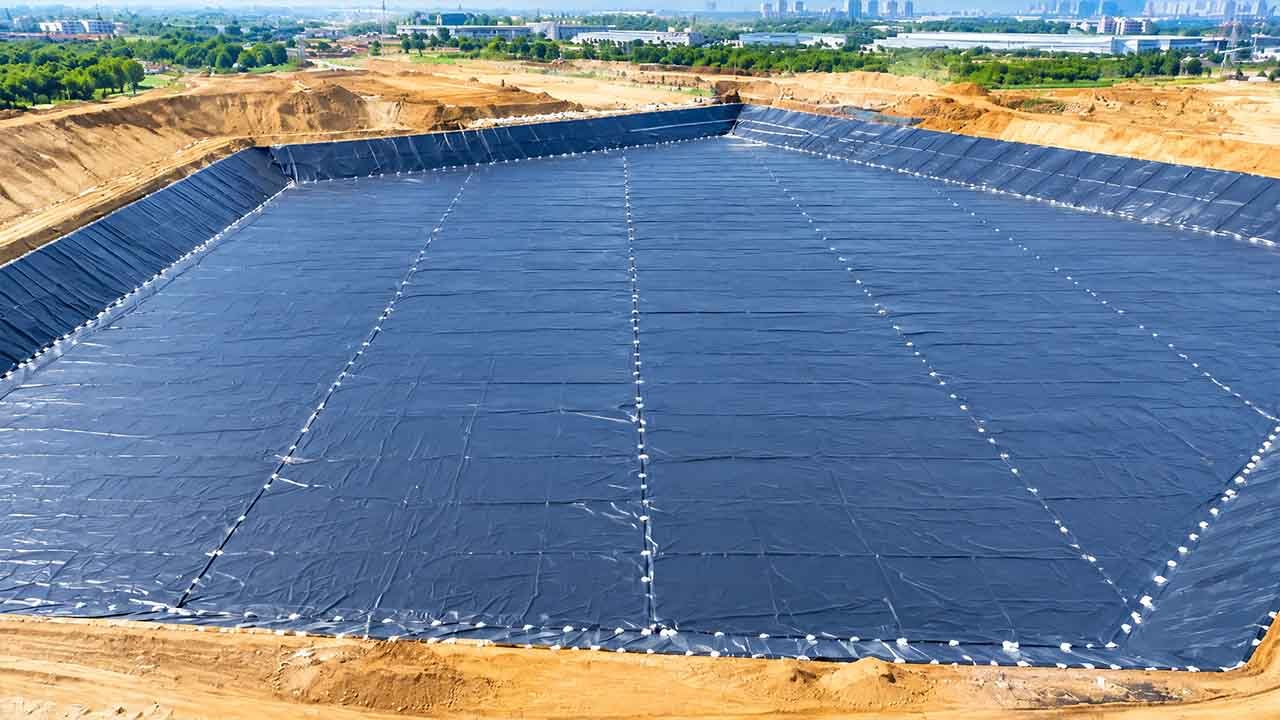
Construction waterproofing membrane and geomembrane produced from recycled LDPE pellets
Established Market

Construction Waterproofing & Geomembrane

Waterproofing membranes, vapour barriers and geotechnical liners have no colour or transparency requirements. Tensile strength consistency matters. Both European and Asian markets have established demand.

Pellet quality required: Medium
Key requirement: Tensile consistency
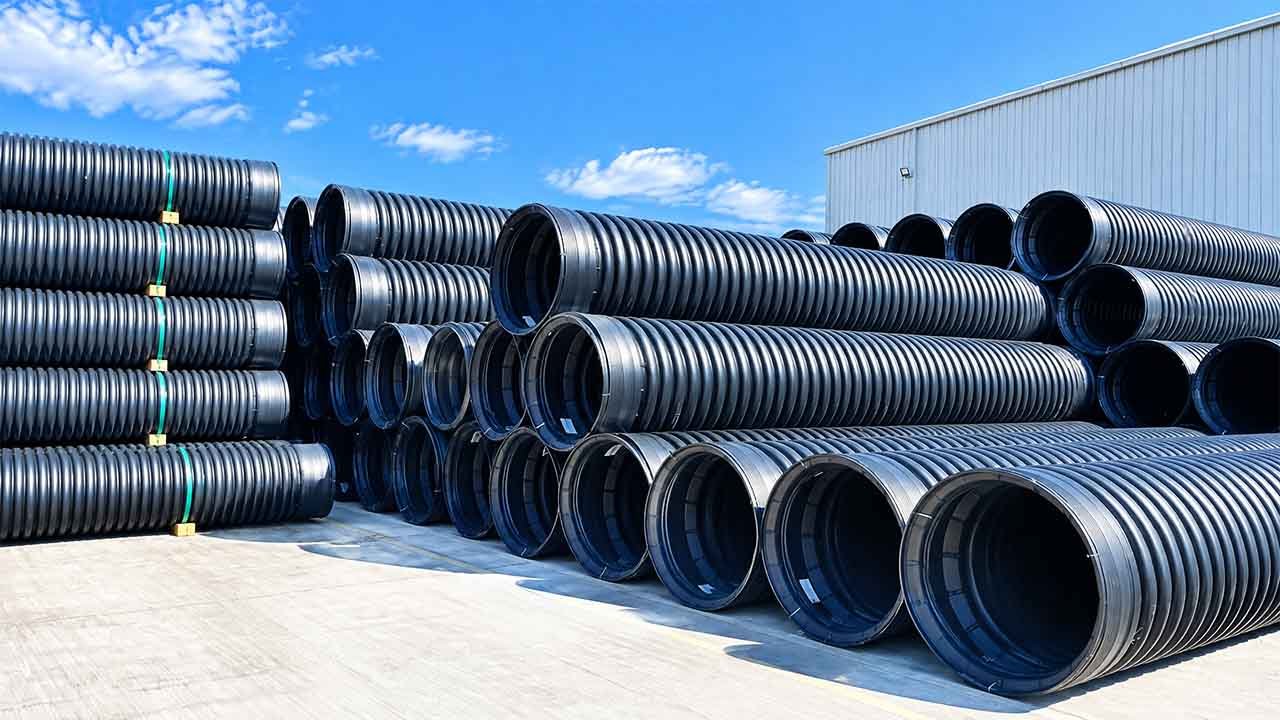
Non-pressure irrigation pipe and drainage pipe produced from recycled LDPE pellets
Secondary Market

Non-Pressure Pipe & Profile

Irrigation drainage pipe, cable conduit and low-grade profiles accept rLDPE with lower purity requirements. Pellet quality requirements are the most tolerant of the four application categories.

Pellet quality required: Medium to lower
Key requirement: No rigid contaminant inclusions

What Determines Your Pellet Quality?

Factor Effect on Pellet Quality LayerQuestar Configuration
Incoming soil contamination level Higher soil → higher ash content in pellet Dry pre-cleaning + multi-stage wet wash
Moisture before extrusion >1% → steam voids inside pellets Dual-stage dewatering, target ≤1%
Melt filtration precision Residual solids → surface defects, MFI instability Continuous screen changer + fine filter
Vacuum degassing effectiveness Residual VOCs + moisture → odour, voids Two-stage extrusion, minimum 2 degassing zones
Pelletizing consistency Irregular pellet size → downstream feeding problems Water-ring die-face cutting with temperature control

MFI reference range: Typical rLDPE pellets produced from agricultural film recycling lines fall within a MFI range determined by incoming material grade and processing conditions. Contact LayerQuestar Machinery for material-specific output data.

Technical Specifications

Line Configurations & Key Parameters

Two standard configurations. Final parameters — screw diameter, installed power and footprint — are confirmed by LayerQuestar Machinery engineering after incoming material assessment.

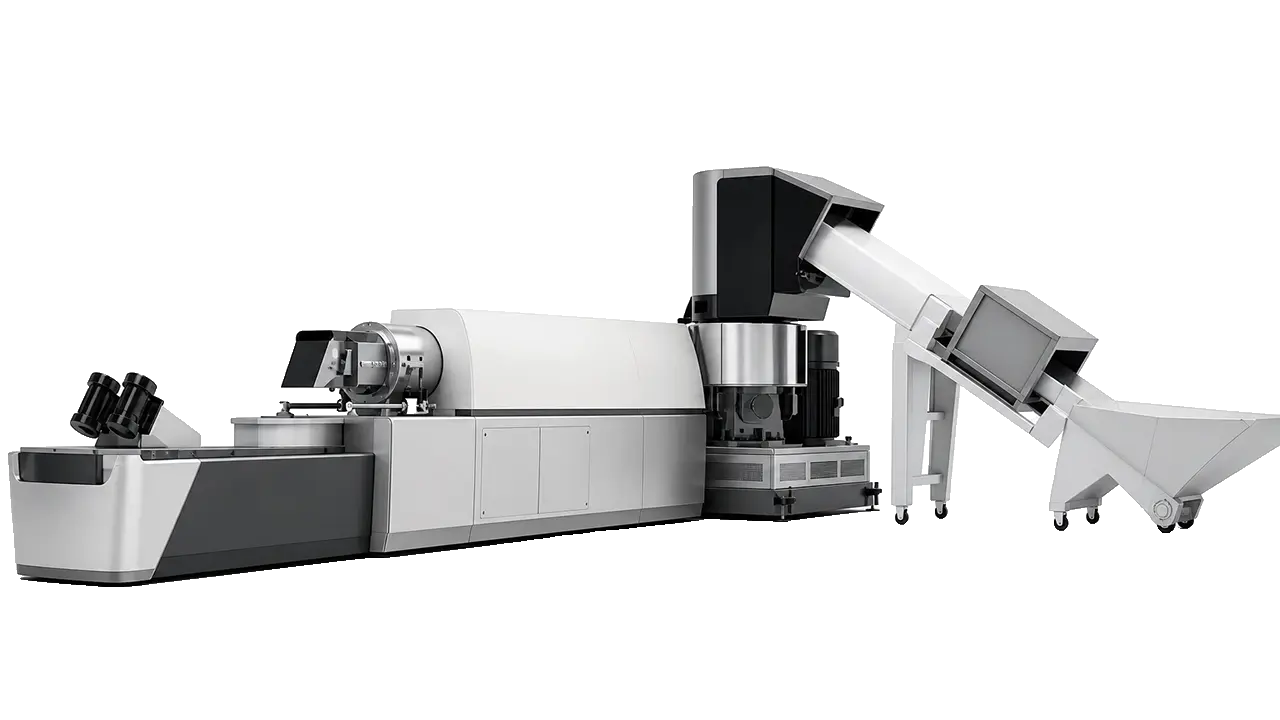
LayerQuestar agricultural film recycling line — full system overview, washing to pelletizing
Parameter Standard Configuration
Greenhouse / Tunnel / Silage Film
Heavy Contamination Configuration
Mulch Film / Mixed Farm Film
Applicable waste Greenhouse film, tunnel film, silage wrap Mulch film, mixed field waste
Capacity 100–300 kg/h 200–500 kg/h
Incoming contamination ≤40% 40–80%
Dry pre-cleaning Trommel screen Trommel screen (heavy-duty)
Washing system Friction washer + float-sink tank Friction washer + float-sink tank + hot-wash unit
Dewatering system Centrifugal dryer + hot-air drying Centrifugal dryer + mechanical press + hot-air drying
Moisture target (pre-extruder) ≤1% ≤1%
Extrusion stages Two-stage Two-stage
Vacuum degassing zones Minimum 2 Minimum 2
Screen changer Continuous (non-stop) Continuous + secondary fine filter
Pelletizing method Water-ring die-face cutting Water-ring die-face cutting
Main motor brand ABB preferred; Innomotics available ABB preferred; Innomotics available
Temperature control OMRON PID, ±1°C OMRON PID, ±1°C
Water management Closed-loop recycling (optional) Closed-loop recycling (standard)
Factory acceptance test 72-hr continuous run 72-hr continuous run
Screw diameter / installed power / footprint Confirmed by engineering after incoming material assessment
Build Standard

LayerQuestar Machinery — How We Build It

Every agricultural film recycling line ships after a 72-hour continuous factory acceptance test. Five hardware specifications that determine long-term reliability under high-contamination operating conditions.

LayerQuestar factory acceptance test — 72-hour continuous run on agricultural film recycling line

72-Hour Factory Acceptance Test

Every line runs continuously for 72 hours at LayerQuestar Machinery's Zhejiang facility before shipment. The test verifies throughput consistency, temperature stability across all zones, screen changer function under load, pellet size uniformity and control system operation. No line ships without a completed FAT record.

For agricultural film lines, the FAT also verifies that the closed-loop water system maintains separation tank water quality over extended operation — a critical parameter that cannot be validated in a short-run test.

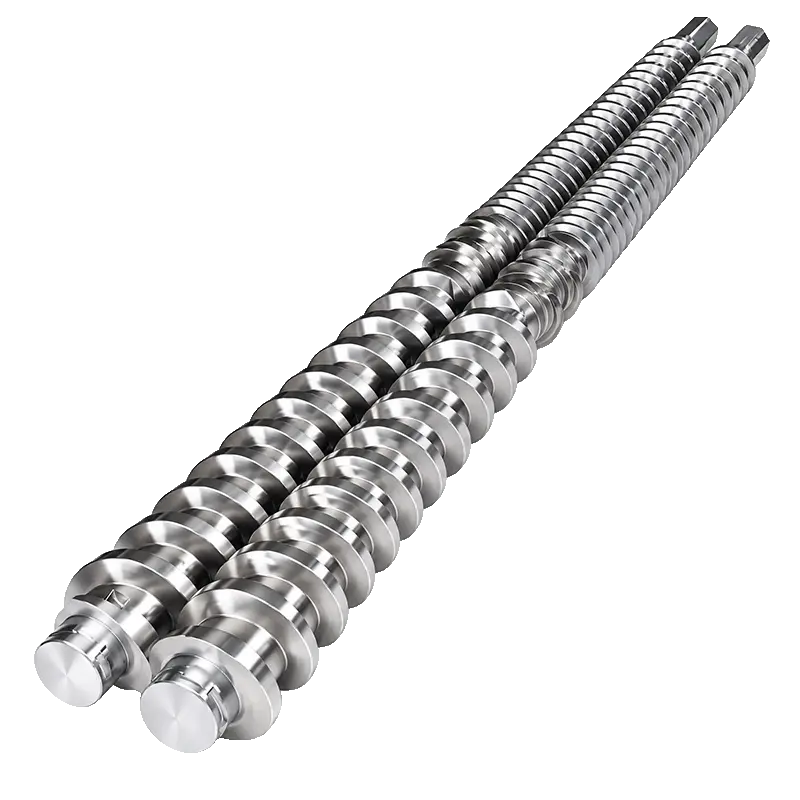
WC bi-metallic screw close-up — LayerQuestar agricultural film recycling line

WC Bi-Metallic Screw

Base material: 38CrMoAlA nitrided steel. Surface: 1.5–3mm tungsten carbide alloy overlay. Hardness: HRC 59–65. Designed for continuous operation against the abrasive sand and inorganic particles present in agricultural film melt streams.

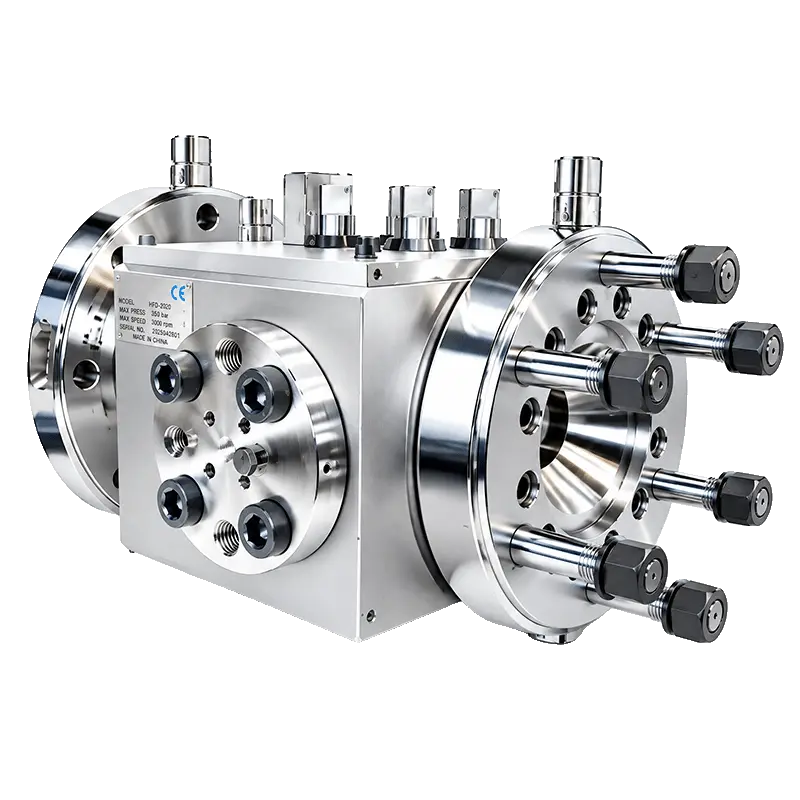
Continuous screen changer close-up — LayerQuestar agricultural film recycling line

Continuous Screen Changer

Non-stop screen replacement under full production pressure. Agricultural film melt contains significantly more residual inorganic particles than industrial film — screen change frequency is higher. A manual screen changer would require repeated production stops. The continuous design eliminates this downtime.

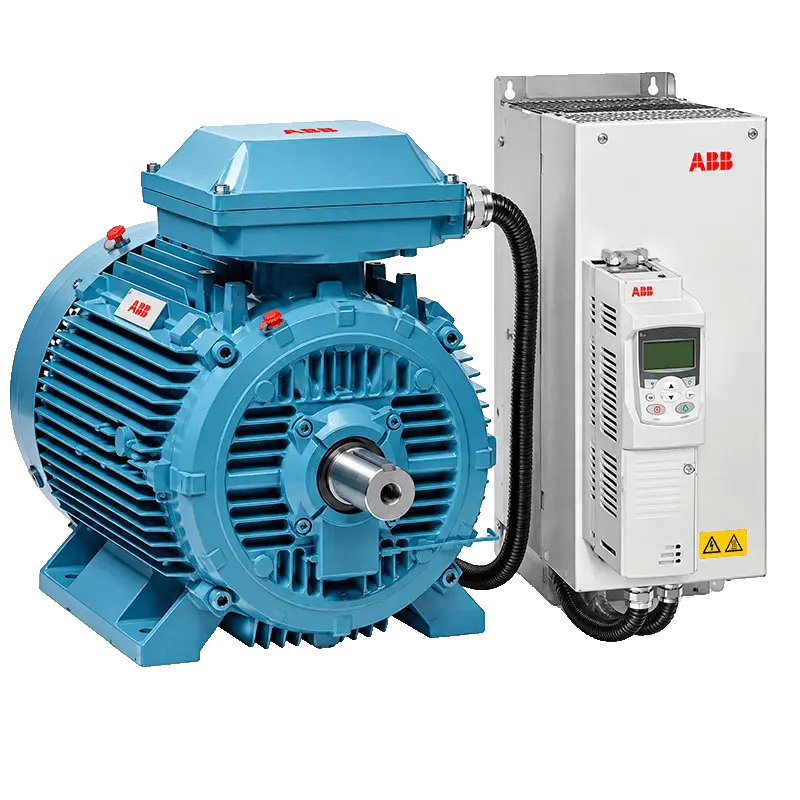
ABB main drive motor close-up — LayerQuestar agricultural film recycling line

ABB Main Drive Motor

ABB motors are the preferred specification. Innomotics and other international brands are available on request. International-brand motors are specified because spare parts and service are available in LayerQuestar's 120+ export markets — not just in China.

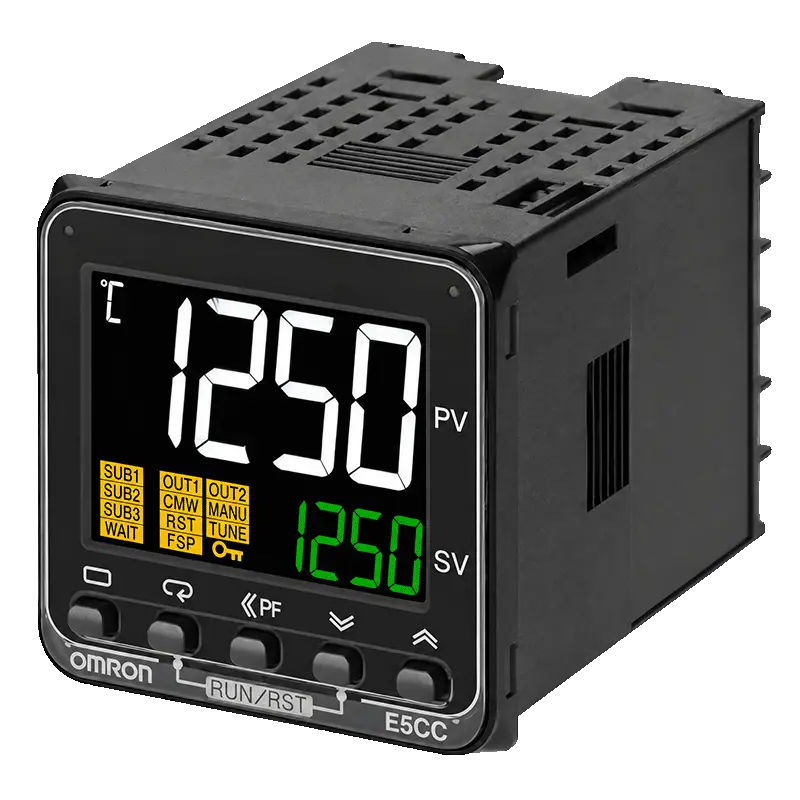
OMRON PID temperature controller close-up — LayerQuestar agricultural film recycling line

OMRON PID Temperature Control

OMRON PID controllers on every heating zone. Deviation ±1°C under stable operating conditions. Independent zone control across both extrusion stages. All control cabinet labels are in English. Two to three independent cooling fans per cabinet.

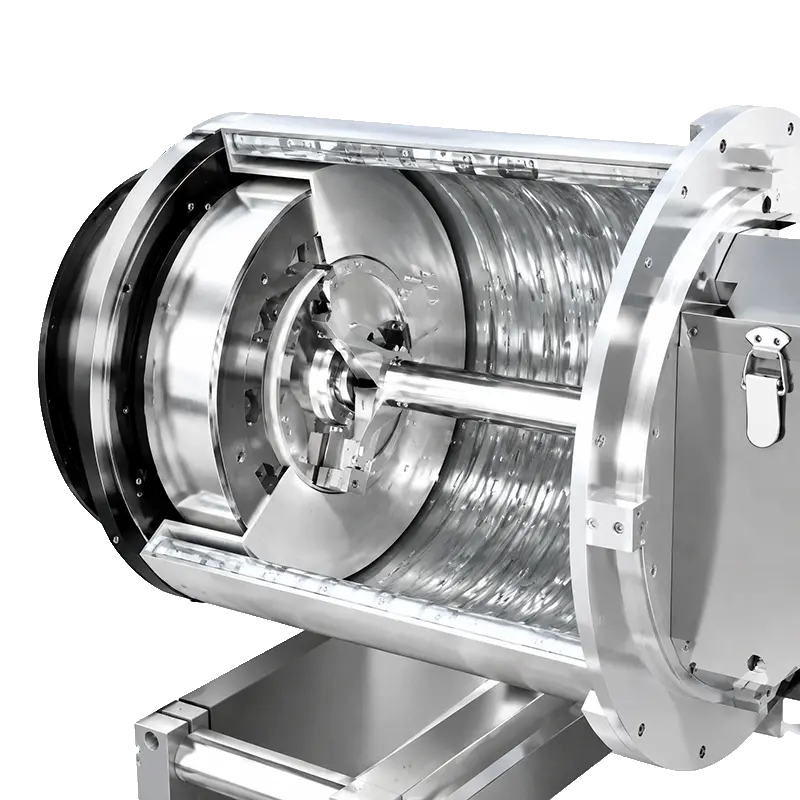
Water-ring die-face pelletizer head close-up — LayerQuestar agricultural film recycling line

Water-Ring Die-Face Pelletizer

Die-face cutting in a water ring produces uniform, dense cylindrical pellets suited to LDPE's low melting point. Pellet size is controlled by die hole diameter and cutter speed. Output passes through a vibrating screen to remove fines before the storage silo.

2008 Founded
120+ Countries & Regions
123+ Patents Granted
Remote Support Available
After-Sales

Warranty, Spare Parts & Ongoing Support

Agricultural film recycling lines operate in demanding conditions. Wear parts consume faster than in industrial film applications. Spare parts availability is not a secondary consideration.

Warranty

Standard warranty terms apply to all LayerQuestar Machinery agricultural film recycling lines. Warranty scope and duration are confirmed in the supply contract.

Wear Parts Supply

Agricultural film lines consume wear parts at higher rates than industrial film lines due to abrasive input. Critical wear parts stocked and available from Zhejiang:

  • Continuous screen changer filter screens
  • Friction washer paddle sets
  • Shredder blades and counter-blades
  • Trommel screen mesh panels
  • Extruder screw and barrel segments
  • Water-ring pelletizer cutting blades

Remote Support & Documentation

Remote diagnostic support via video call and PLC data review. All control cabinets are fully English-labelled. Operation and maintenance manuals supplied in English. On-site commissioning support available — confirm scope and schedule at order stage.

FAQ

Questions Buyers Ask Before They Decide

These are the questions that determine whether an agricultural film recycling project is viable — not just how the equipment works.

Is agricultural film recycling commercially profitable?

It depends on four variables: the cost of acquiring waste film, the cost of processing (energy, water, labour, wear parts), the selling price of rLDPE pellets in your local market, and whether government subsidies or plastic bag ban compliance incentives apply in your region.

Agricultural film recycling is commercially viable in markets where at least one of the following conditions is true: (1) waste film collection cost is low because the source is concentrated and accessible; (2) rLDPE pellet prices are supported by local demand for garbage bags, construction film or agricultural film with PCR content; or (3) government subsidies or compliance requirements offset processing costs.

Before committing to equipment, map your specific input cost, processing cost and pellet price. LayerQuestar Machinery can provide processing parameter data to support your financial model — but the commercial viability assessment must be done with local market data.

What can recycled agricultural film pellets be used for?

rLDPE pellets from agricultural film are not suitable for food-contact packaging due to trace pesticide residues and degradation additives. The main downstream applications are: garbage bags (the largest market — dark colour conceals resin inconsistencies), new agricultural film with PCR content, construction waterproofing membranes and geomembranes, and non-pressure irrigation pipe and drainage profiles.

Pellet quality — determined by washing thoroughness, moisture control and filtration precision — determines which of these applications will accept your material. Higher-quality pellets open more markets and command better prices.

Do I need a wastewater treatment system, and how much does it add to the investment?

Yes. Wet washing produces wastewater containing suspended solids, organic matter and, in the case of mulch film, potential pesticide residues. Direct discharge is not permitted in most jurisdictions. You need either a closed-loop water recycling system (recommended), a sedimentation and permitted discharge system, or access to an industrial park centralised treatment facility.

The closed-loop water recycling module is the most practical solution for most sites. It eliminates discharge permitting complexity and reduces fresh water consumption significantly. Confirm with LayerQuestar Machinery whether this module is included in your quoted configuration.

Mulch film has 30–80% soil contamination. Can it really produce quality pellets?

Yes — with the correct process configuration. The key is removing contamination at every stage before it reaches the extruder: dry pre-cleaning removes loose soil before the water loop; friction washing and float-sink separation remove the remainder; hot-wash handles pesticide residues; dual-stage dewatering brings moisture to ≤1%; and continuous filtration removes residual melt-phase particles.

The resulting pellets are suitable for garbage bags, agricultural film with PCR content, construction membranes and non-pressure pipe. They will not meet food-contact or transparent film specifications — but those are not the target markets for agricultural film recyclate.

Can drip irrigation tape be processed on the same line as mulch film?

No. Drip irrigation tape contains rigid plastic fittings (typically PP or ABS) and metal emitters. These cannot be separated from the film stream by the float-sink tank or screen changer. They damage shredder blades, block the screen changer and introduce contamination into the pellet. Drip tape requires a separate processing line with dedicated rigid-plastic separation. Contact LayerQuestar Machinery for a separate assessment if your waste stream includes drip tape.

Why does the moisture target need to be ≤1% and not ≤3%?

LDPE and LLDPE are more sensitive to moisture during extrusion than PP. When moisture exceeds approximately 1%, water vaporises in the melt and forms steam bubbles. These bubbles create internal voids inside the pellets. Pellets with internal voids perform poorly in downstream blown film and stretch film applications — they cause bubble instability and film defects.

The ≤3% standard is used for PP woven bag recycling, where PP's higher processing temperature and different melt rheology make it more tolerant of residual moisture. Applying the PP standard to LDPE agricultural film recycling is a specification error that produces lower-quality pellets.

My site has no reliable water supply. Can I still build a wet-wash line?

A closed-loop water recycling system significantly reduces fresh water consumption by recirculating wash water after treatment — only evaporation losses need to be topped up. This makes wet-wash lines viable in water-constrained locations that would not support a once-through water system.

However, a minimum reliable water source is still required for initial fill and top-up. If your site has genuinely no water access, contact LayerQuestar Machinery to discuss whether a dry pre-cleaning configuration can address your specific waste stream — noting that dry-only processing has significant limitations for high-contamination agricultural film.

Agricultural film collection is seasonal. What do I do with the line in the off-season?

This is a real operational planning question. Three approaches are used in practice: (1) stockpile baled film during peak collection season and process year-round; (2) supplement with other PE film streams — greenhouse film, industrial stretch film, or post-consumer PE bags — during the agricultural off-season; (3) accept seasonal operation and plan maintenance and overhaul during the downtime period.

Option 2 is the most common for commercial recyclers. The LayerQuestar Machinery agricultural film line can process other clean-to-medium PE film streams in addition to agricultural film — confirm the specific input materials with our engineering team to verify compatibility.

How do I start an agricultural film recycling project? What is the first step?

The first step is not selecting equipment — it is validating your waste supply and your pellet market. Before contacting any equipment supplier, answer these four questions:

  1. Waste supply: What type of agricultural film is available in your area? What is the realistic daily or annual volume? Is the supply seasonal or year-round?
  2. Contamination level: Is your primary input mulch film (extreme contamination) or greenhouse / silage film (moderate contamination)? This determines your washing system configuration and cost.
  3. Pellet market: Who in your region buys rLDPE pellets? What quality specification do they require? What price are they paying?
  4. Site conditions: Do you have water supply and wastewater discharge conditions at your proposed site?

Once you have answers to these four questions, contact LayerQuestar Machinery with the details. We will recommend a specific line configuration and provide the technical parameters you need to complete your financial model.

What is the difference between LayerQuestar's agricultural film line and European-brand equipment?

The primary practical differences for buyers in developing and emerging markets are: lead time, spare parts availability and total cost of ownership. LayerQuestar Machinery ships from Zhejiang, China, with spare parts available globally through our network in 120+ countries. All control systems use internationally sourced components (OMRON, ABB) that are serviceable locally in most markets.

On process technology, the core washing and pelletizing steps are comparable. The LayerQuestar line uses WC bi-metallic screws (HRC 59–65), continuous screen changers and OMRON PID temperature control — specifications chosen for long-term reliability under the abrasive conditions of agricultural film processing. Every line completes a 72-hour factory acceptance test before shipment.

Get Started

Tell Us Your Film Type, Contamination Level and Daily Volume

The viability of an agricultural film recycling project depends on four inputs: film type (mulch / greenhouse / silage), contamination level, target daily throughput, and site water conditions. Send LayerQuestar Machinery these four details and our engineering team will provide a specific system recommendation and the technical parameters you need to complete your investment assessment.