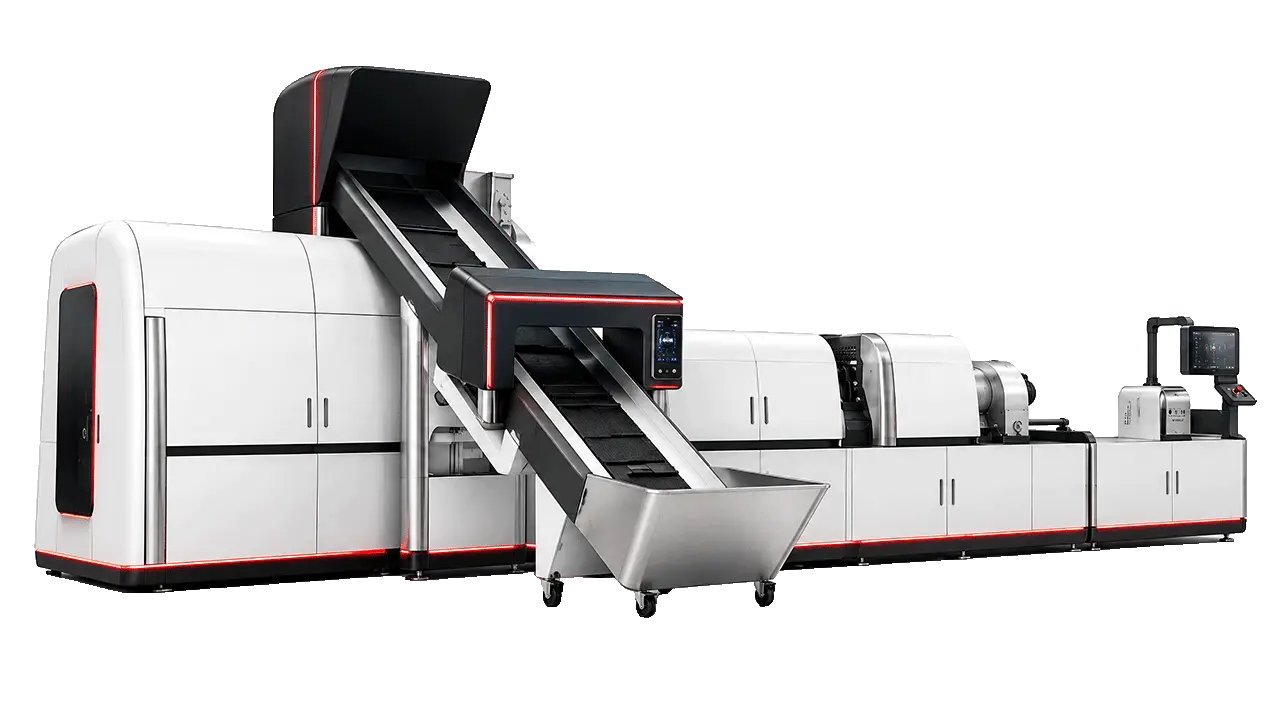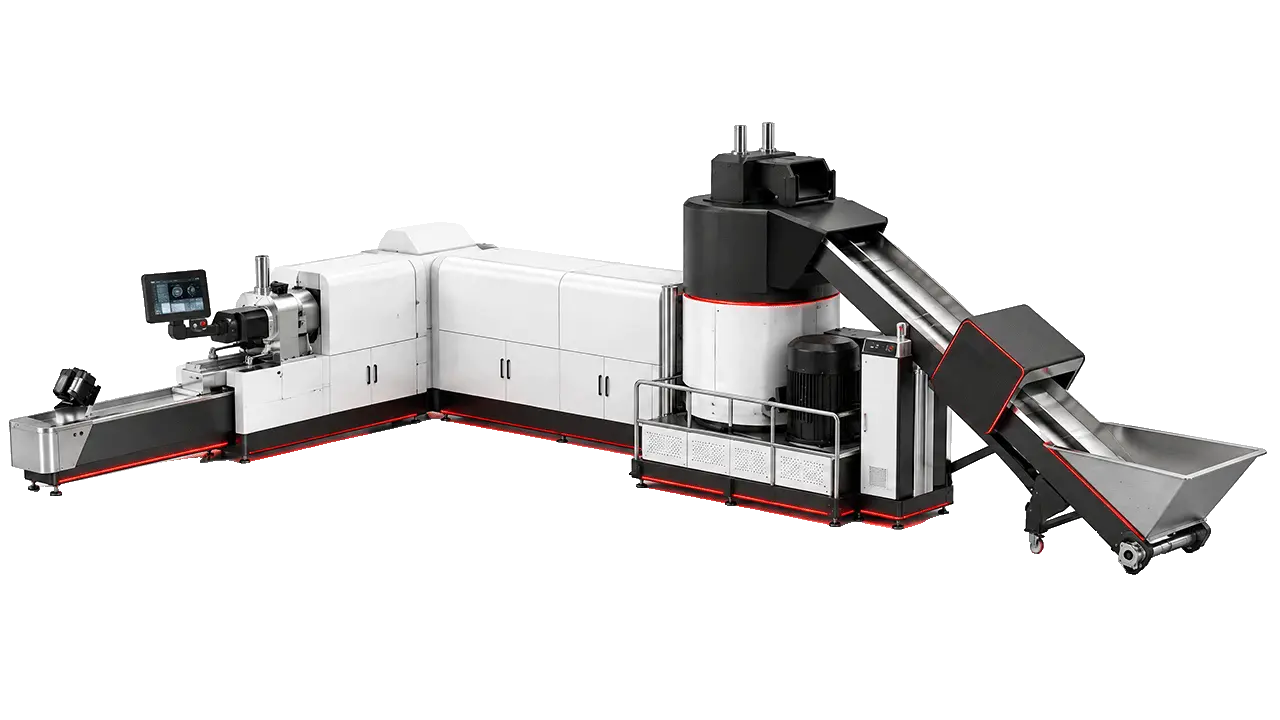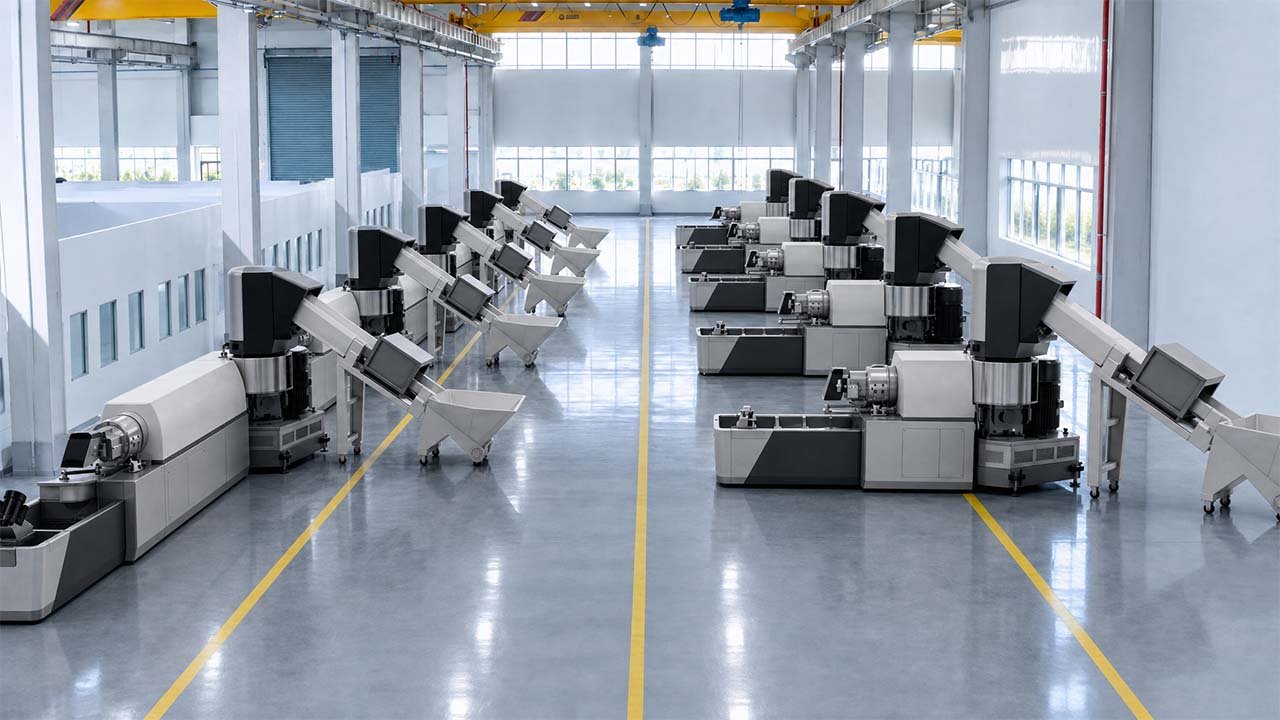
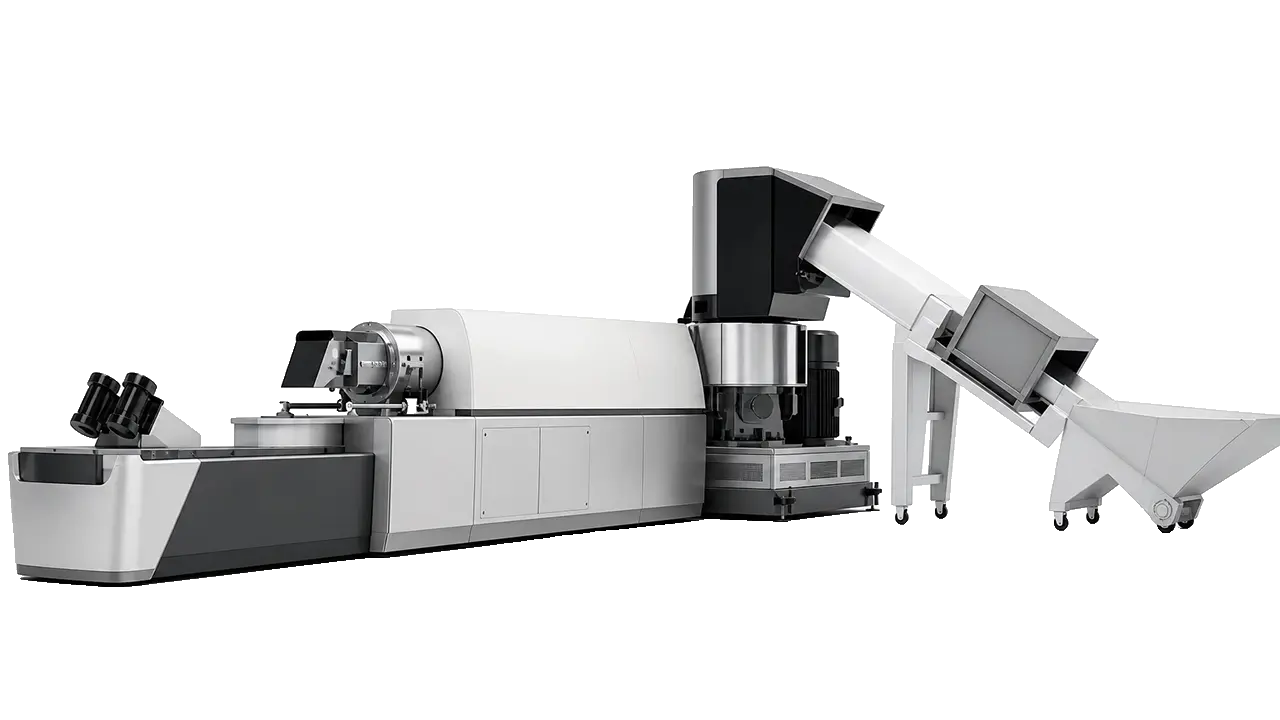
LayerQuestar plastic film recycling and pelletizing line — PE film granulator in operation
Recycling & Pelletizing

Plastic Film Recycling
& Pelletizing Lines

Convert production waste and post-consumer plastic film into reusable pellets — and feed them back into your line. PE film, PP woven bags and agricultural film.

50–500 kg/h Output Range
PE · PP Materials Processed
Single & Two Stage Systems
120+ Countries Served
The Cost of Waste

Every Blown Film Line Produces Waste.
The Question Is What You Do With It.

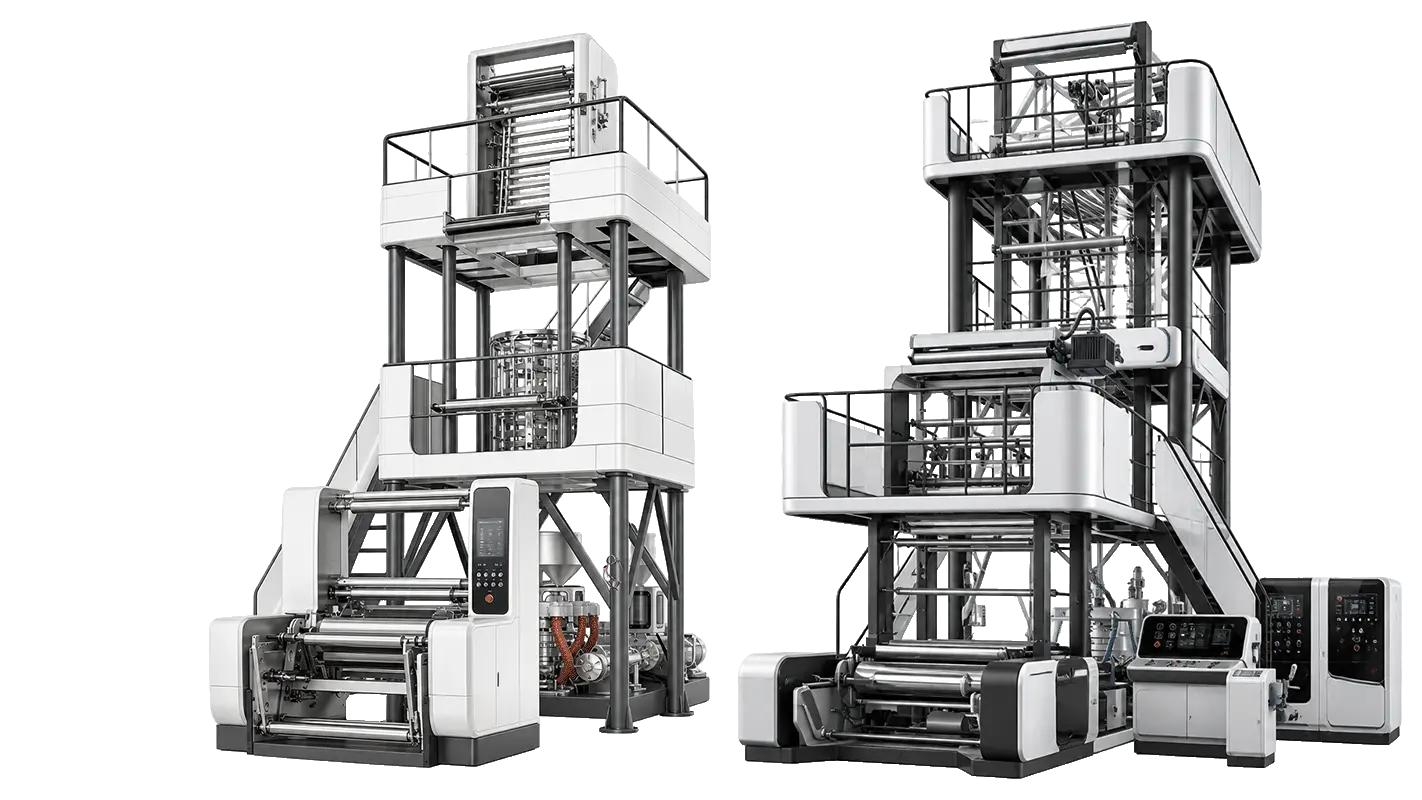
Edge trim, start-up purge and rejected rolls are an unavoidable part of blown film production. In-house recycling converts that material cost into reusable raw material — without sending it to a third-party recycler at a fraction of its value.

3–8%
Typical scrap rate in blown film production

Edge trim, start-up purge and rejected rolls — all recoverable with the right pelletizing line. Actual rate varies by line configuration and product changeover frequency.

20–50%
Recycled content blendable back into film

Depending on application and quality requirements, recycled pellets can replace a significant share of virgin resin in non-food packaging and industrial film applications.

Closed Loop
From production waste to reusable raw material

In-house recycling eliminates the cost of disposing of or selling scrap at low value. The pellets produced feed directly back into your blown film line as a blended raw material input.

Recycling Solutions

Which Recycling Line Do You Need?

The right configuration depends on your waste type, contamination level and required output capacity. Select the scenario that matches your material.

Configuration and capacity subject to application review. Contact LayerQuestar Machinery to confirm the right system for your waste stream.

Process Overview

From Waste Film to Reusable Pellets:
The Core Process Steps

Regardless of material type, all plastic film recycling lines share the same fundamental process stages. Understanding these steps helps you evaluate which configuration fits your operation.

01

Feeding

Belt conveyor or nip-roll feeder draws waste film into the line. Cutter-compactor systems compact loose film before extrusion to improve feeding consistency.

02

Size Reduction

Cutter-compactor for thin film; shredder for rigid or woven material. Reduces bulk volume and prepares material for consistent extrusion feeding.

03

Extrusion & Degassing

Single or twin-screw extrusion melts the material. Dedicated degassing zones remove moisture and ink volatiles — critical for printed or post-consumer film.

04

Filtration

Continuous screen changer removes contaminants from the melt without stopping production. Double-pass filtration available for heavily contaminated post-consumer streams.

05

Pelletizing

Die-face or strand pelletizing cuts the melt into uniform granules. Water-ring or air-cooled systems depending on material and output requirements.

06

Recycled Pellets

Uniform recycled pellets ready for direct reuse. Feed back into your blown film line as a blended raw material input, replacing a portion of virgin resin.

Configuration Guide

Single-Stage or Two-Stage:
Which System Fits Your Waste?

The primary factor is contamination level. Clean in-house trim needs a different system than post-consumer mixed film.

Criteria Single-Stage Two-Stage
Typical waste type Clean or lightly printed in-house film Heavily printed, post-consumer or mixed film
Print coverage Up to ~30% 30–100%
Degassing zones 2 zones 3 zones
Filtration passes Single pass Double pass
Pellet purity Standard Enhanced
Typical applications In-house factory edge trim, roll waste PCR processing, mixed post-consumer streams
Reference output range 50–400 kg/h industry reference; varies by configuration 100–500 kg/h industry reference; varies by configuration

Not sure which system you need? Describe your waste type and estimated daily volume — LayerQuestar Machinery will recommend the right configuration.

Get a Configuration Recommendation
Our Supply Standard

Complete Recycling Line Supply
From Specification to Commissioning

LayerQuestar Machinery supplies recycling and pelletizing lines as part of a complete flexible packaging equipment offer — the same after-sales network, the same point of contact.

Right-Sized for Your Factory

We assess your waste volume, material type and contamination level to specify the correct system capacity and configuration before you commit to any equipment purchase.

Matched to Your Blown Film Line

Recycling lines are specified to match the output of your blown film machines, ensuring pellet quality is compatible with your existing resin formulas and film specifications.

One Supplier, Full Line

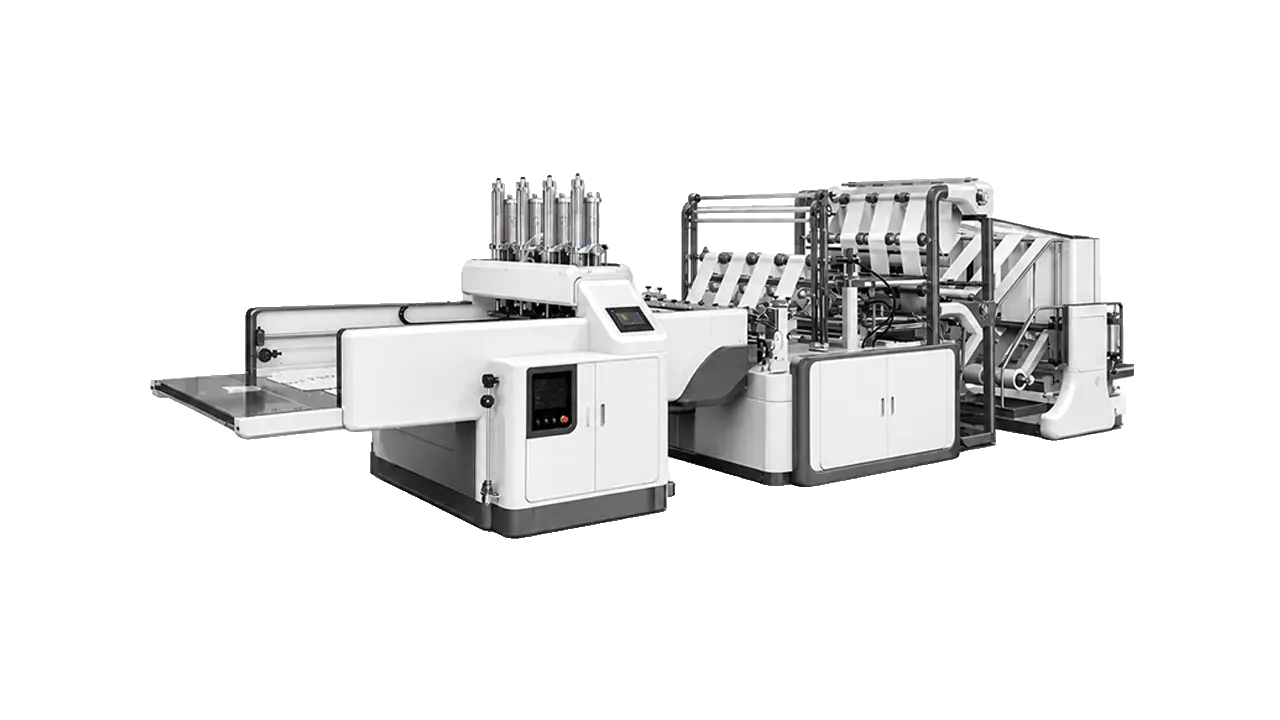
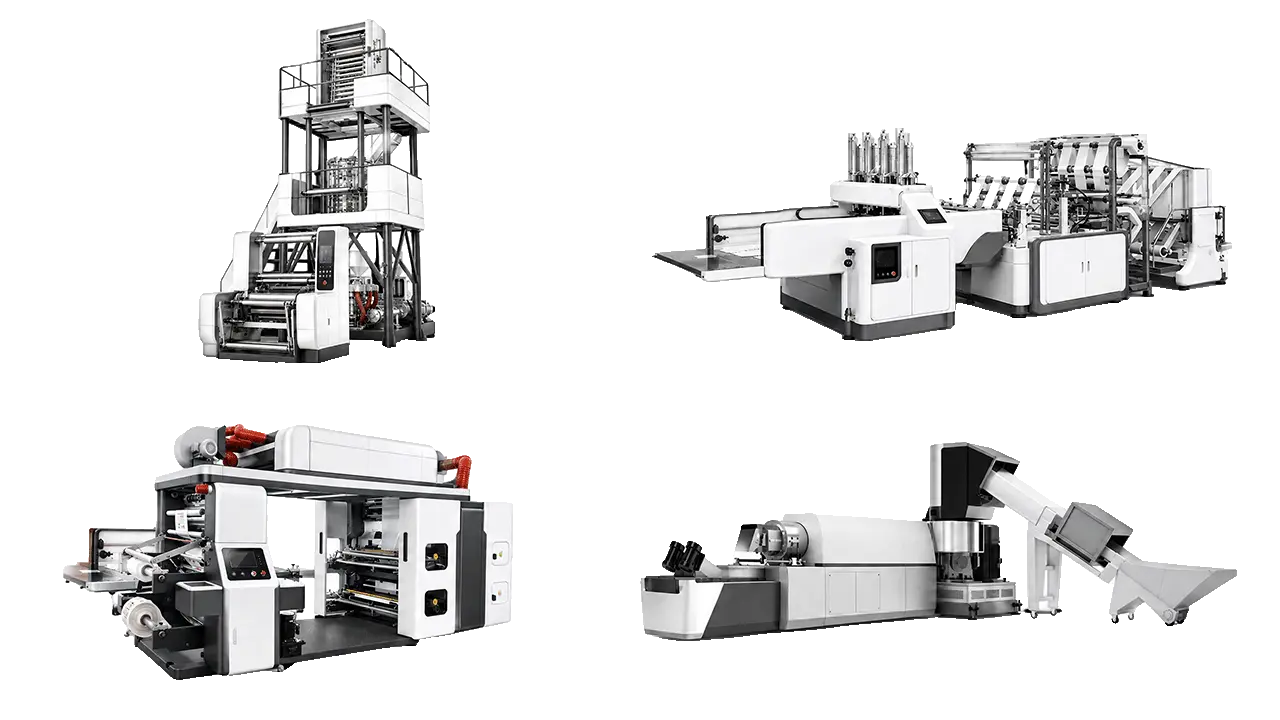
Blown film machine, bag making machine, printer and recycling line — all supplied and supported by LayerQuestar Machinery. One contact for equipment, spare parts and technical support.

After-Sales & Spare Parts

Wear parts, process troubleshooting and operator guidance available through LayerQuestar's after-sales network. Remote diagnostic support included as standard.

Common Questions

Recycling Line FAQ

Answers to the questions buyers ask most often before specifying a plastic film recycling and pelletizing line.

What types of plastic film can be recycled and pelletized?

The most commonly recycled materials are LDPE, HDPE and LLDPE blown film — including shopping bags, garbage bags, agricultural mulch film, greenhouse film and industrial stretch film. PP woven bags and raffia can also be processed with a shredder-integrated system. The right line configuration depends on your specific material type and contamination level.

Can I recycle printed film? How much printing is acceptable?

Yes. Printed film can be recycled, but print coverage affects which system is appropriate. For film with up to approximately 30% print coverage, a single-stage system with standard degassing is typically sufficient. For heavily printed film (30–100% coverage) or post-consumer mixed streams, a two-stage system with enhanced degassing and double-pass filtration is recommended to achieve acceptable pellet quality.

What is the difference between single-stage and two-stage recycling?

A single-stage system extrudes and pelletizes in one pass — suitable for clean or lightly contaminated in-house film waste. A two-stage system passes the melt through a second extrusion and filtration stage, providing additional degassing and contaminant removal. Two-stage systems produce higher-purity pellets from more challenging waste streams, at a higher equipment cost and energy input.

Can recycled pellets be fed directly back into a blown film machine?

Yes, with appropriate blending. Recycled pellets are typically blended with virgin resin at a ratio determined by the target application and quality requirements. For non-food industrial film and garbage bags, higher recycled content ratios are commonly used. For applications with surface quality or print requirements, a lower blend ratio is standard. The pellets from a well-specified recycling line are compatible with standard blown film extrusion conditions.

How much of my production waste is typically recoverable?

In a typical blown film operation, edge trim, start-up purge and rejected rolls account for approximately 3–8% of total material throughput. The majority of this material is recoverable through pelletizing, depending on contamination level and material consistency. Actual recovery rates vary by line configuration, product changeover frequency and operator practice.

Do I need a washing line for post-consumer agricultural film?

For heavily soiled agricultural film — mulch film with soil and organic contamination, or greenhouse film with significant dirt loading — a washing and drying line upstream of the pelletizing system is strongly recommended. Without pre-washing, soil contamination reduces pellet quality and accelerates wear on the extrusion and filtration components. Washing line integration is available as part of the agricultural film recycling configuration. Contact LayerQuestar Machinery to discuss your specific contamination level.

What output capacity do I need for my factory size?

The required recycling line capacity is determined by your blown film line's total throughput and your scrap rate. As a general reference: a blown film line producing 200 kg/h with a 5% scrap rate generates approximately 10 kg/h of recyclable waste. A factory with multiple lines or higher scrap rates will require proportionally higher recycling capacity. Share your production volume and line count with LayerQuestar Machinery and we will size the system accordingly.

How does LayerQuestar supply and support recycling lines?

LayerQuestar Machinery supplies recycling and pelletizing lines as part of a complete flexible packaging equipment offer. We assess your waste stream, specify the appropriate system, coordinate supply and commissioning, and provide after-sales support through the same network that supports our blown film machines, bag making machines and flexographic printers. Spare parts and remote technical support are available as standard.

Get Started

Tell Us About Your Waste Stream

Share your material type, estimated daily waste volume and factory location. LayerQuestar Machinery will come back with a specific system recommendation — no obligation.