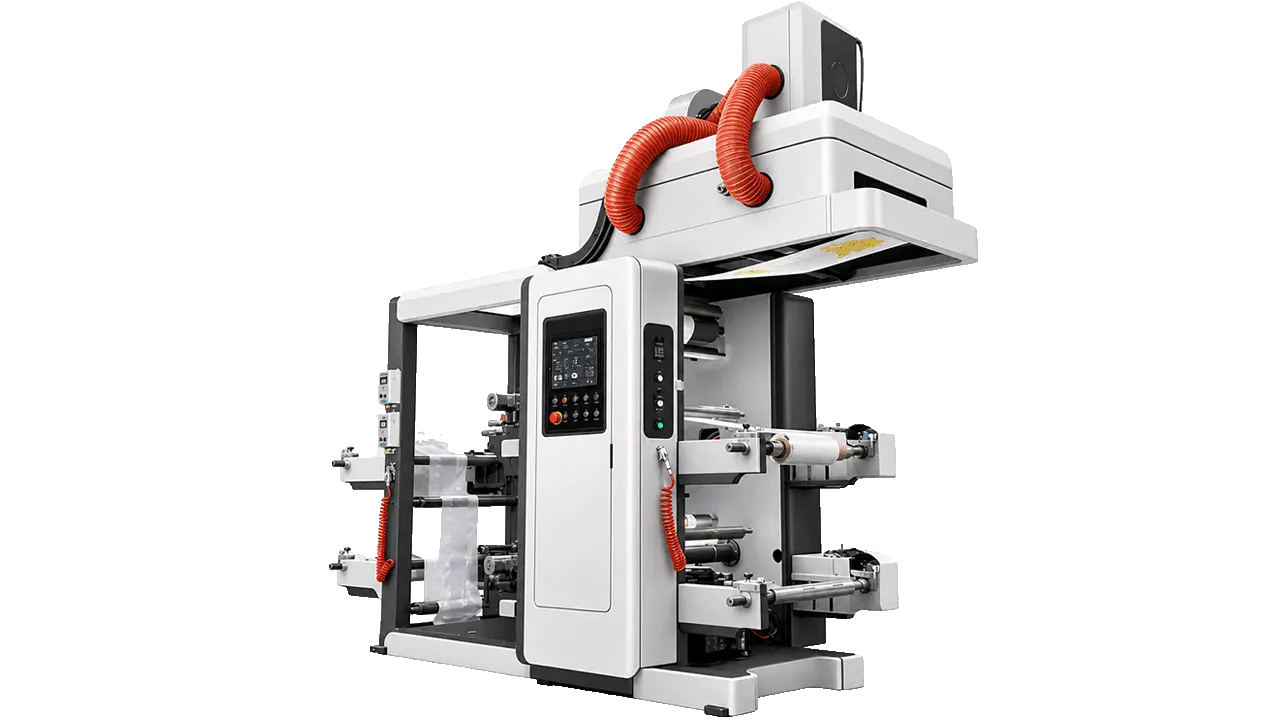
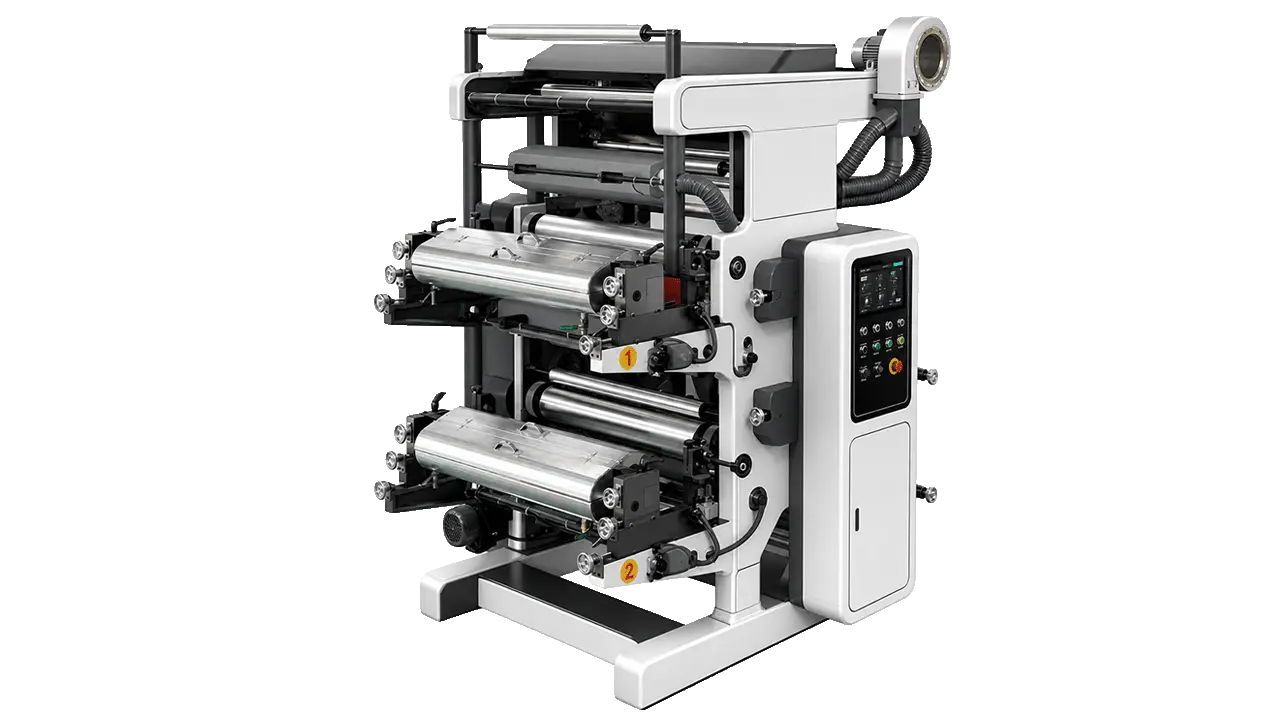
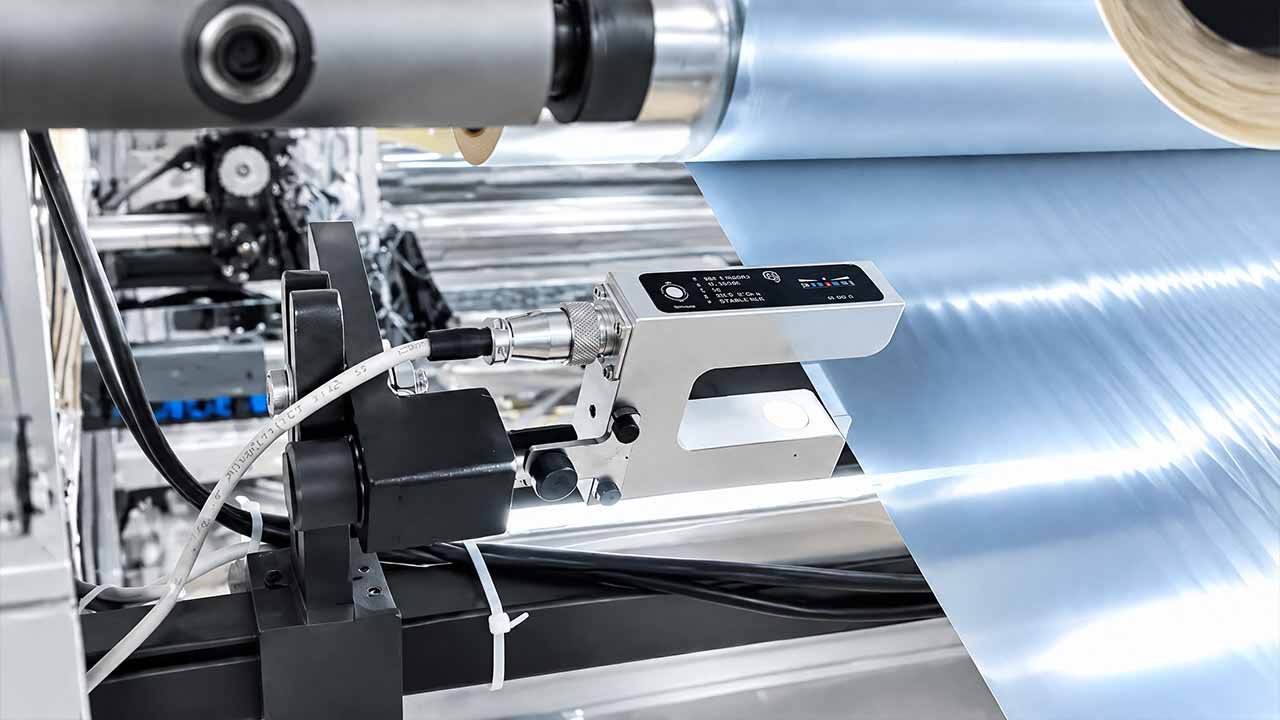
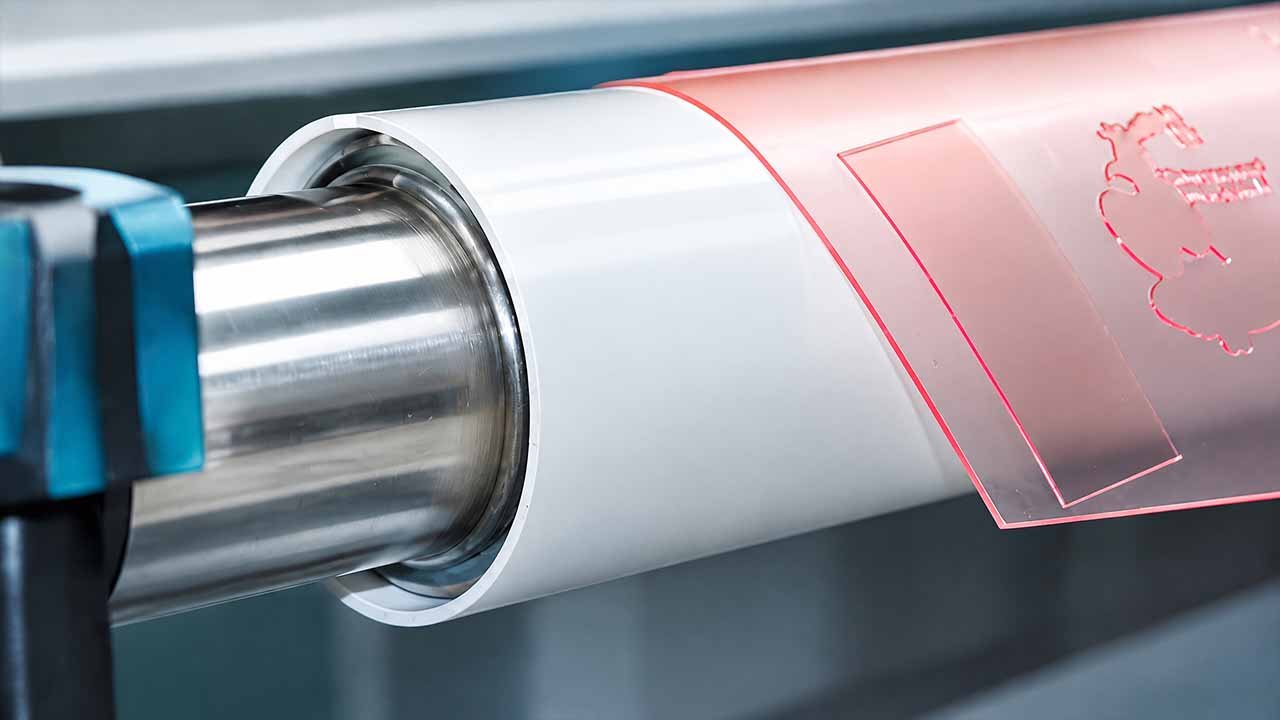
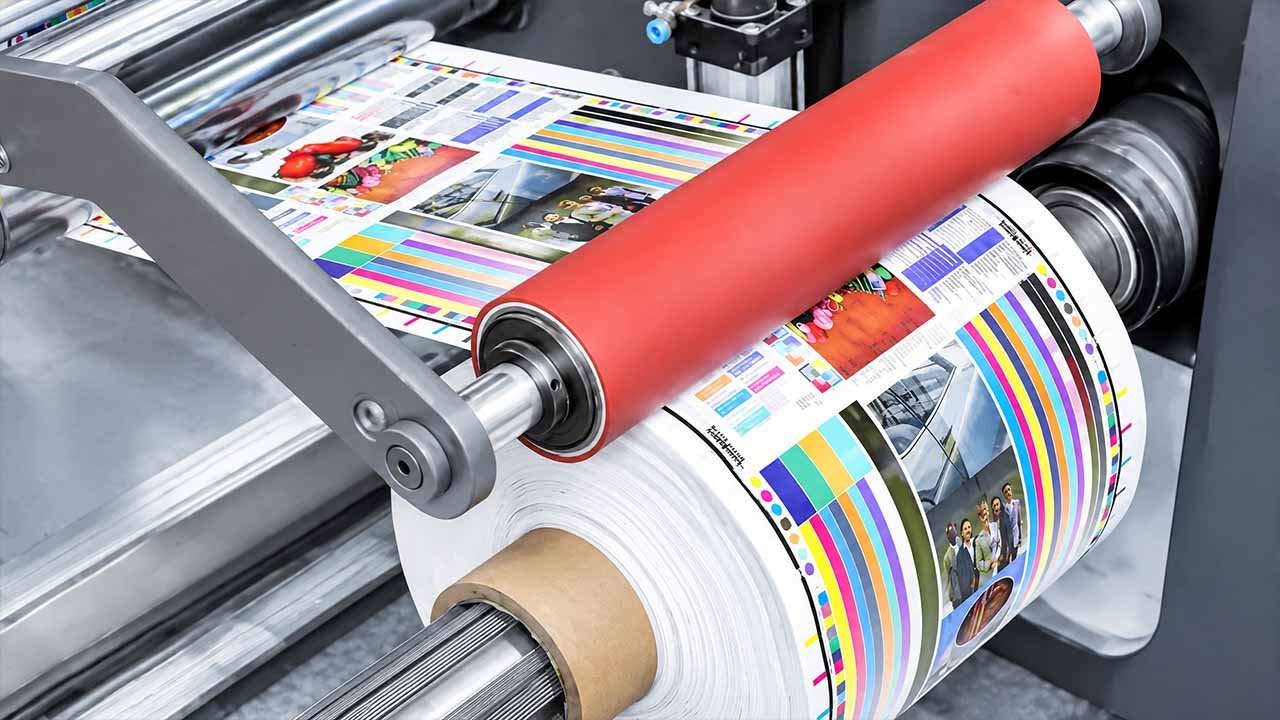
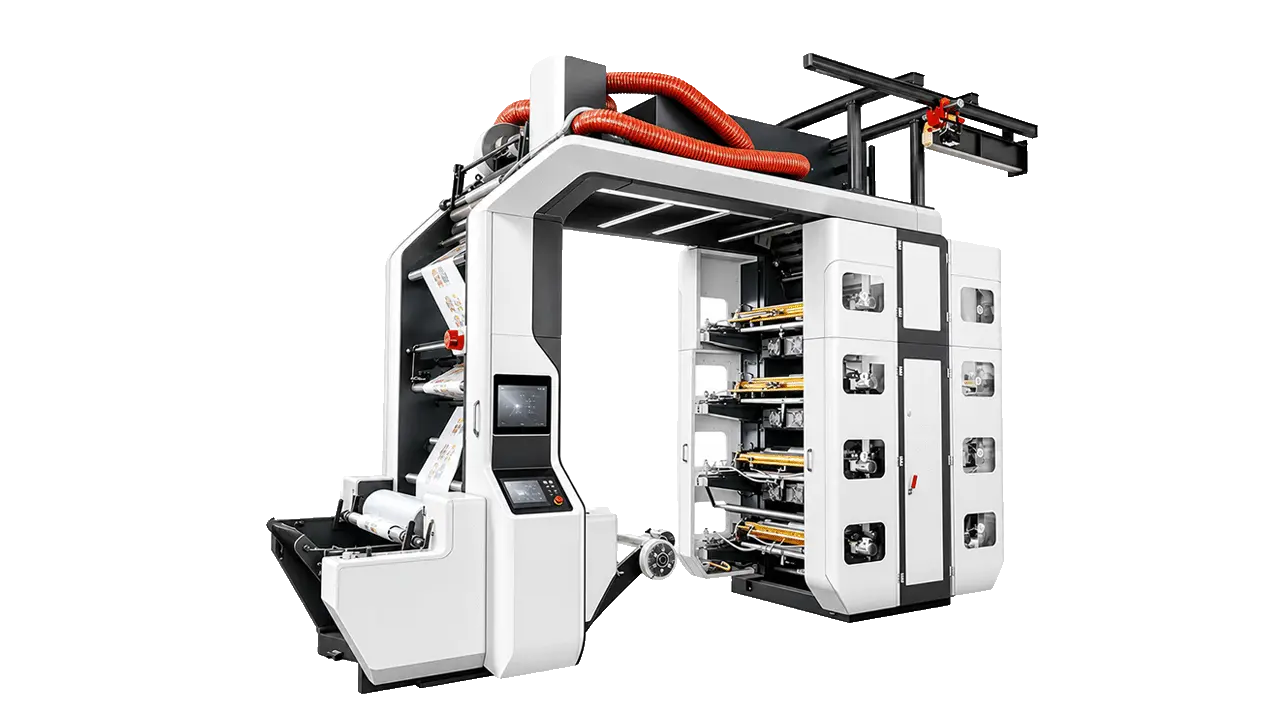
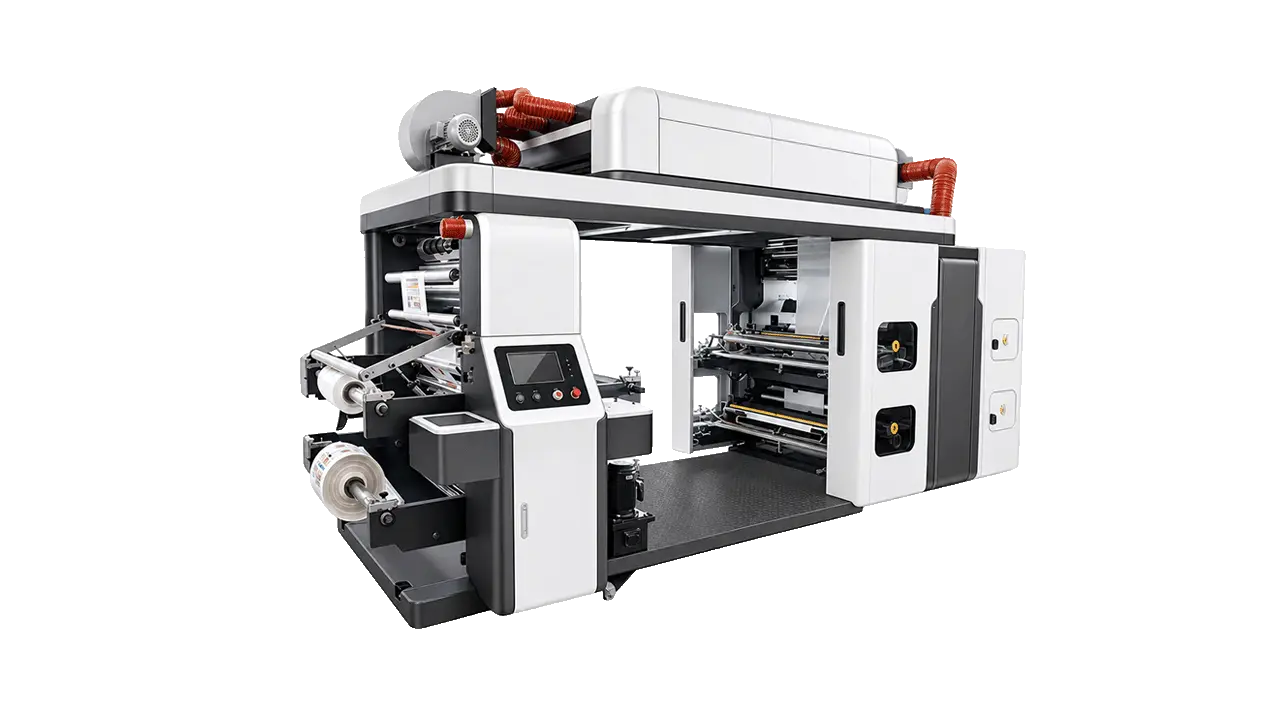
Both machines print 2 colors on PE film, PP film and paper.
The difference is the drive system — and what that means for your
production volume, your operators, and your investment.
This page helps you choose.
The LQ-2C and LQ-2CH produce identical 2-color output.
The choice between them is not about print quality —
it is about how many meters per shift your operation needs to run.
Every dimension that matters when choosing between the standard
and high-speed series. Read the "Why it matters" column —
not just the spec values.
Dimension
Standard
LQ-2C
High-Speed
LQ-2CH
Why It Matters
Drive System
Variable frequency motor
Synchronous belt transmission
Synchronous belt maintains consistent speed during acceleration and deceleration — the window where registration errors occur. At 50 m/min and below, VFD drive is sufficient.
Max Production Speed
5–50 m/min
80–100 m/min actual 120 m/min mechanical
At 80 m/min vs. 40 m/min average, the LQ-2CH produces roughly 2× the output per shift for the same job. For large continuous orders, this directly affects your cost per unit.
EPC Edge Position Control
Not included
Hydraulic EPC
EPC automatically corrects lateral substrate drift. Without it, operators must manually re-align the material roll when it wanders. At 120 m/min, manual correction is not practical — substrate waste and downtime increase significantly.
Cold-Air Shaping
Not included
Included
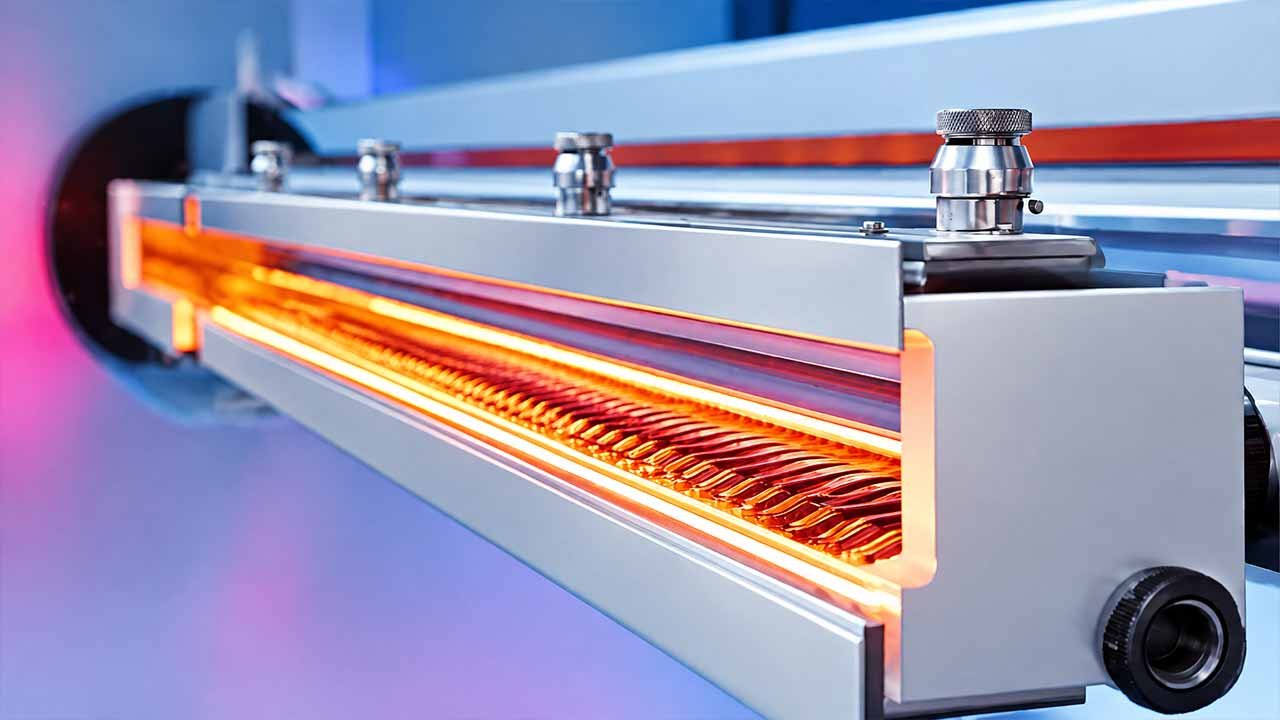
At speeds above 80 m/min, ink does not have enough dwell time to cure before the next station. Cold-air bellows rapidly set the ink immediately after printing, preventing adhesion and smearing defects that are common in high-speed PE film printing.
Plate Thickness Accepted
2.38mm (fixed) incl. double-sided tape
1.14–3.94mm full range
The LQ-2CH accepts the full standard flexo plate range, including thin digital photopolymer plates (1.14mm / 1.70mm). The LQ-2C is fixed at 2.38mm — confirm your plate supplier's standard before ordering.
Tension Control
Pneumatic unwinder + friction winder
Hydraulic + pneumatic dual system + friction winder
Dual hydraulic-pneumatic tension is more stable at high speed. Consistent tension is the foundation of consistent ink transfer — particularly on extensible PE and PP films that stretch under tension variation.
Machine Footprint
1.9 × 1.8–2.2 × 2.3m (600–1000mm width models)
6.8 × 1.8–2.0 × 2.9m (600–1000mm width models)
The LQ-2CH is significantly longer (6.8m vs. 1.9m) due to the extended drying oven required for high-speed ink curing. Verify your floor plan before ordering the LQ-2CH — ceiling height (2.9m) also needs to be confirmed.
Machine Weight
[NEEDS CLIENT DATA]
5,000–6,000 kg depending on width model
Floor load capacity must be confirmed for the LQ-2CH. 5–6 tonnes requires a reinforced industrial floor. The LQ-2C is significantly lighter — confirm with LayerQuestar for exact figures.
Operator Skill Level
Basic — suitable for new operators
Experienced operators preferred
The LQ-2CH's higher speed and additional systems (EPC, cold-air, dual tension) require operators who understand flexo printing fundamentals. Running at 120 m/min with an inexperienced team increases defect rate and waste significantly.
Changeover Speed
Faster — fewer systems to reset
Moderate — more parameters to set
If you run many different jobs per day (different bag sizes, different designs), the LQ-2C's simpler setup means less time between jobs. The LQ-2CH's advantage is throughput on long runs, not on short-run variety work.
Entry Investment
Lower
Higher
Contact LayerQuestar for current pricing. The LQ-2CH's higher cost is justified when your production volume is large enough that the throughput difference generates measurable cost-per-unit savings. For low-volume operations, the LQ-2C delivers better return on investment.
Both series are available in three substrate widths.
Select the series below, then identify the width model
that matches your largest substrate requirement.
Parameter
LQ-2C-600
LQ-2C-800
LQ-2C-1000
Max Substrate Width
600mm (23.6")
800mm (31.5")
1000mm (39.4")
Max Printing Width
560mm (22.0")
760mm (29.9")
960mm (37.8")
Print Length Range
200–1100mm
180–1000mm
200–1100mm
Max Roll Diameter
⌀450mm
⌀450mm
⌀450mm
Printing Speed
5–50 m/min
5–50 m/min
5–50 m/min
Plate Thickness
2.38mm (incl. double-sided tape)
Machine Size (L×W×H)
1900×1800×2300mm
1900×2000×2300mm
1900×2200×2400mm
Which width model do you need?
600mm
Small-format bags: T-shirt bags, produce bags, narrow-format packaging. Smallest footprint — ideal for space-constrained facilities or entry-level production.
Most Common800mm
Standard shopping bags, food bags, courier mailer bags. The 800mm model also has the shortest minimum print length (180mm vs. 200mm), improving material efficiency on compact bag formats.
1000mm
Wide-format bags, large supermarket carriers, industrial packaging. Also enables multi-lane printing layouts — printing two narrow bags side by side on a single wide roll.
Floor space note: The LQ-2CH requires a minimum floor length of approximately 8m (machine 6.8m + operator clearance). Ceiling height minimum 3.2m recommended. Floor load capacity must support 5–6 tonnes. Confirm your facility dimensions with LayerQuestar before ordering.
Which width model do you need?
600mm
High-speed narrow-format production. T-shirt bags, produce bags, small flat bags at continuous high volume.
Most Common800mm
Standard shopping bags and courier bags at high volume. The most common LQ-2CH configuration for bag converters running large continuous orders.
1000mm
Maximum throughput configuration. Wide-format or multi-lane high-speed printing for the highest output per shift.
The LQ-2C and LQ-2CH share LayerQuestar's core build standard.
The hardware differences between them are noted on each card.
Drive System
LQ-2C: VFD MotorLQ-2CH: Sync Belt
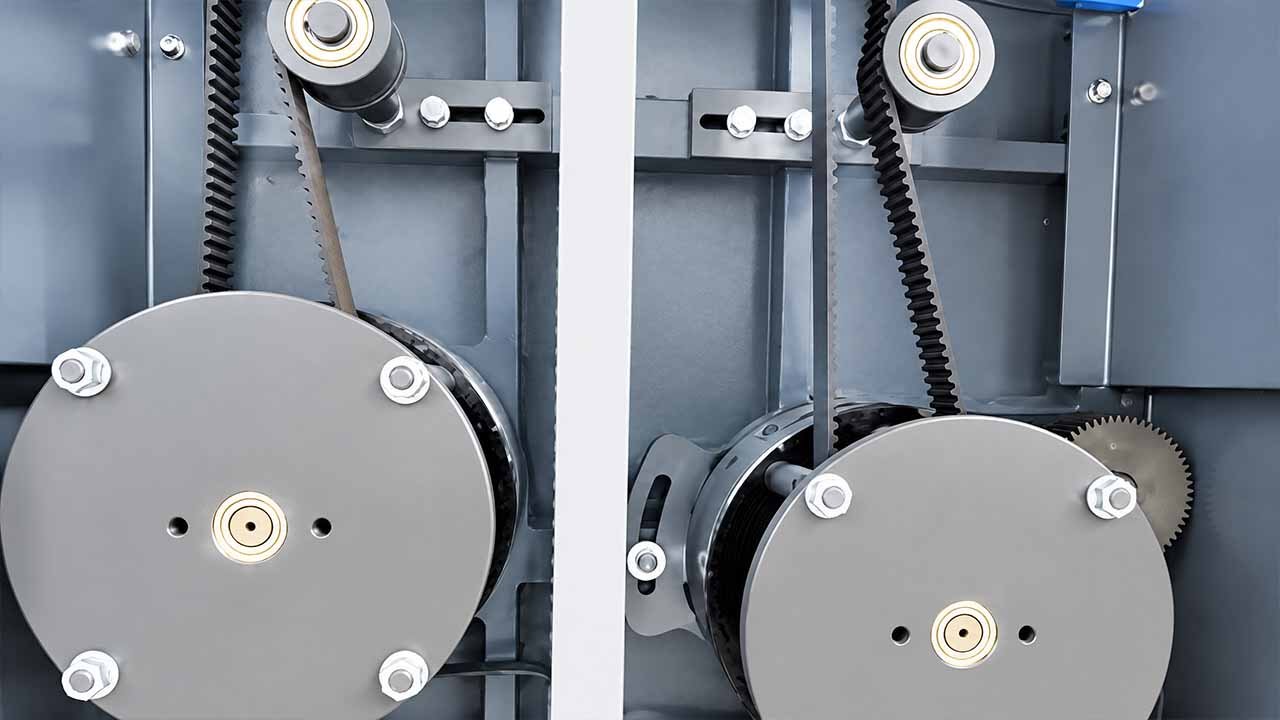
The LQ-2C uses variable frequency motor drive — reliable and simple to maintain at speeds up to 50 m/min. The LQ-2CH uses low-noise synchronous belt transmission, which maintains precise speed consistency during acceleration and deceleration, preserving color registration accuracy at speeds up to 120 m/min.
Tension Control
Both Series
Both series use pneumatic unwinding tension control with friction-type winding, producing compact, even roll diameter throughout the production run. The LQ-2CH adds a hydraulic layer to the tension system for greater stability at high speed. Consistent substrate tension is the foundation of consistent ink transfer on extensible PE and PP films.
EPC Edge Position Control
LQ-2CH Only
Hydraulic edge position control automatically corrects lateral substrate drift in real time. No manual material re-alignment required during production runs. At 120 m/min, substrate wander without EPC correction results in immediate registration failure and substrate waste. The LQ-2C does not include EPC — operators manage alignment manually, which is practical at 50 m/min.
Precision Roller Engineering
Both Series
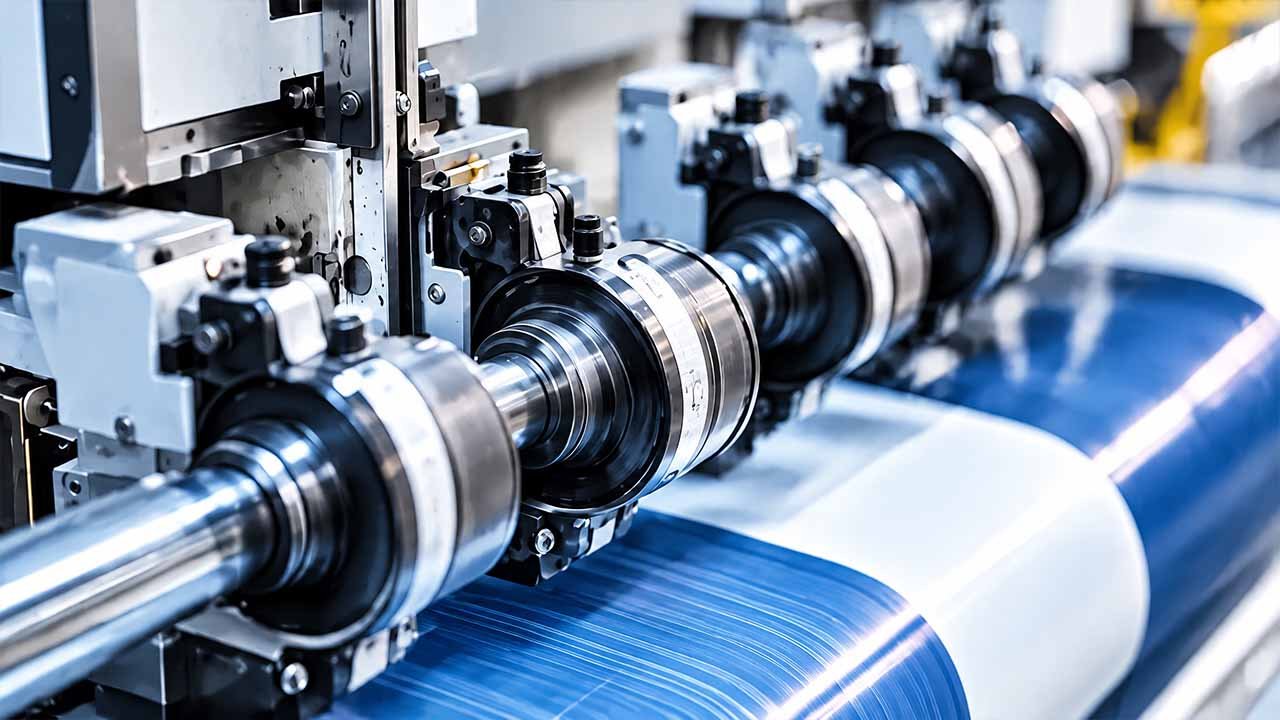
Impression rollers machined from special steel with 10-wire thick hard chromium electroplating for wear resistance and surface consistency. Aluminium alloy guide wheels undergo hard oxidation treatment plus dynamic and static balancing — eliminating vibration that causes registration drift. Applied to both series.
Drying & Cold-Air Shaping
LQ-2C: Standard dryingLQ-2CH: + Cold-air bellows
Both series include a central constant-temperature heating system. The LQ-2CH adds cold-air shaping bellows immediately downstream of the print stations — rapidly setting the ink to prevent adhesion, blocking and smearing defects that occur when printing above 80 m/min on PE film. The LQ-2C's standard drying is sufficient at its 50 m/min maximum speed.
Factory Acceptance Test
72-Hour Continuous Run — Both Series
Every LayerQuestar flexo printer — LQ-2C and LQ-2CH — undergoes a
72-hour continuous factory run test before shipment. Test parameters
include color registration accuracy across the full speed range, ink
transfer consistency across the substrate width, tension stability
during acceleration and deceleration, and drying system temperature
uniformity. Results are documented and provided with the machine.
National High-Tech EnterpriseProvincial Innovative SME123+ Patents Granted
Next Steps
Explore the Full Range
2-color printing covers logo and text. When your product range grows,
LayerQuestar's full flexo series scales with you.
The most common questions when deciding between the LQ-2C and LQ-2CH.
What is the real difference between LQ-2C and LQ-2CH?
Both machines produce 2-color output on PE film, PP film and paper. The difference is the drive system and what it enables. The LQ-2C uses a variable frequency motor drive and runs at 5–50 m/min — reliable, simple to operate, lower investment. The LQ-2CH uses synchronous belt transmission and runs at 80–100 m/min actual speed (120 m/min mechanical). The synchronous belt maintains precise speed consistency during acceleration and deceleration, which is the critical window where registration errors occur at high speed. The LQ-2CH also includes hydraulic EPC edge position control and cold-air shaping bellows — neither of which is included on the LQ-2C. The choice is a production volume decision: if your monthly print volume is small to medium, the LQ-2C delivers better return on investment. If throughput per shift is a direct competitive factor in your business, the LQ-2CH is the right machine.
Does the LQ-2CH actually print at 120 m/min?
120 m/min is the mechanical maximum speed of the LQ-2CH. Actual production printing speed is 80–100 m/min, depending on substrate type, ink coverage, drying requirements and operator settings. This distinction matters: mechanical speed is the ceiling the machine is engineered to reach; actual printing speed is what you can sustain in production while maintaining acceptable print quality. Both figures are published on this page because both are relevant — the mechanical speed tells you the machine's engineering headroom, and the actual speed tells you what to use for production planning.
The LQ-2C plate thickness is fixed at 2.38mm. What does that mean for my plate supplier?
The LQ-2C accepts plates at a fixed total thickness of 2.38mm, which includes the plate itself plus the double-sided mounting tape. This is a common standard in flexo printing — many plate suppliers offer plates at 1.70mm thickness, which combined with a standard 0.38mm mounting tape gives a total of 2.08mm, requiring a 0.30mm shim to reach 2.38mm. Alternatively, plates at 2.00mm with a 0.38mm tape reach 2.38mm directly. Confirm the exact combination with your plate supplier before ordering. The LQ-2CH accepts the full range from 1.14mm to 3.94mm, giving you complete flexibility to use any standard flexo plate without adjustment.
What substrates can the LQ-2C and LQ-2CH print on?
The LQ-2C is compatible with BOPP, PET, PE, PVC, CPP, glassine paper, standard paper and aluminium foil. The LQ-2CH is specified for PE film, PP film, paper, woven bags and non-woven fabric. Both series require pre-corona-treated film for optimal ink adhesion on plastic substrates — target surface energy 38–42 dynes/cm is the standard recommendation, though confirm with your ink supplier for your specific substrate and ink system. [NEEDS CLIENT VERIFICATION — confirm full substrate list per series with LayerQuestar engineering]
How do I choose between the 600mm, 800mm and 1000mm width models?
Identify the widest substrate you need to print, add the required edge margins, and select the model whose maximum printing width comfortably covers that dimension. Maximum printing width is 40mm narrower than maximum substrate width on all models — for example, the 800mm model prints up to 760mm. The 800mm model is the most common choice for standard shopping bag and courier bag production. The 600mm model suits narrow-format production or space-constrained facilities. The 1000mm model is appropriate for wide-format substrates or multi-lane printing layouts where you print two narrow bags side by side on a single wide roll to maximise output per meter of film consumed.
My operators have no flexo printing experience. Which machine is more suitable?
The LQ-2C is the more appropriate choice for new operators. Its variable frequency drive, lower operating speed and simpler system configuration mean there are fewer parameters to manage and less that can go wrong during a production run. The LQ-2CH's higher speed and additional systems — EPC, cold-air shaping, dual tension control — require operators who understand flexo printing fundamentals. Running the LQ-2CH at 80–100 m/min without experienced operators significantly increases defect rate, substrate waste and the risk of registration failures. LayerQuestar provides on-site commissioning support and operator training for both series — confirm training scope with the sales team when ordering.
What is the minimum floor space required for each machine?
The LQ-2C (800mm model) has a machine footprint of 1900×2000×2300mm — compact enough for most production facilities. Allow at least 1m operator clearance on all sides, giving a practical floor allocation of approximately 4m × 4m. The LQ-2CH is significantly larger at 6800×2000×2900mm due to the extended drying oven. Allow a minimum floor length of approximately 8–9m and confirm ceiling height — the machine stands 2.9m tall and requires clearance above. The LQ-2CH also weighs 5,000–6,000 kg depending on width model; confirm your floor load capacity before ordering.
Can I upgrade from an LQ-2C to an LQ-2CH later?
The LQ-2C and LQ-2CH are distinct machine architectures — the synchronous belt drive, extended drying oven, EPC system and cold-air bellows on the LQ-2CH are not retrofit additions to the LQ-2C platform. An upgrade means purchasing a new LQ-2CH machine. That said, the LQ-2C retains strong resale value as a functional production machine, and many converters run both series simultaneously — the LQ-2C for short-run variety work and the LQ-2CH for high-volume continuous orders. Contact LayerQuestar to discuss a phased investment plan if this applies to your operation.
Get Started
Ready to Configure Your 2-Color Flexo Printer?
Tell us your substrate, your monthly print volume and your
target bag format. LayerQuestar's team will confirm whether
the LQ-2C or LQ-2CH is the right fit — and which width model
matches your production requirements.