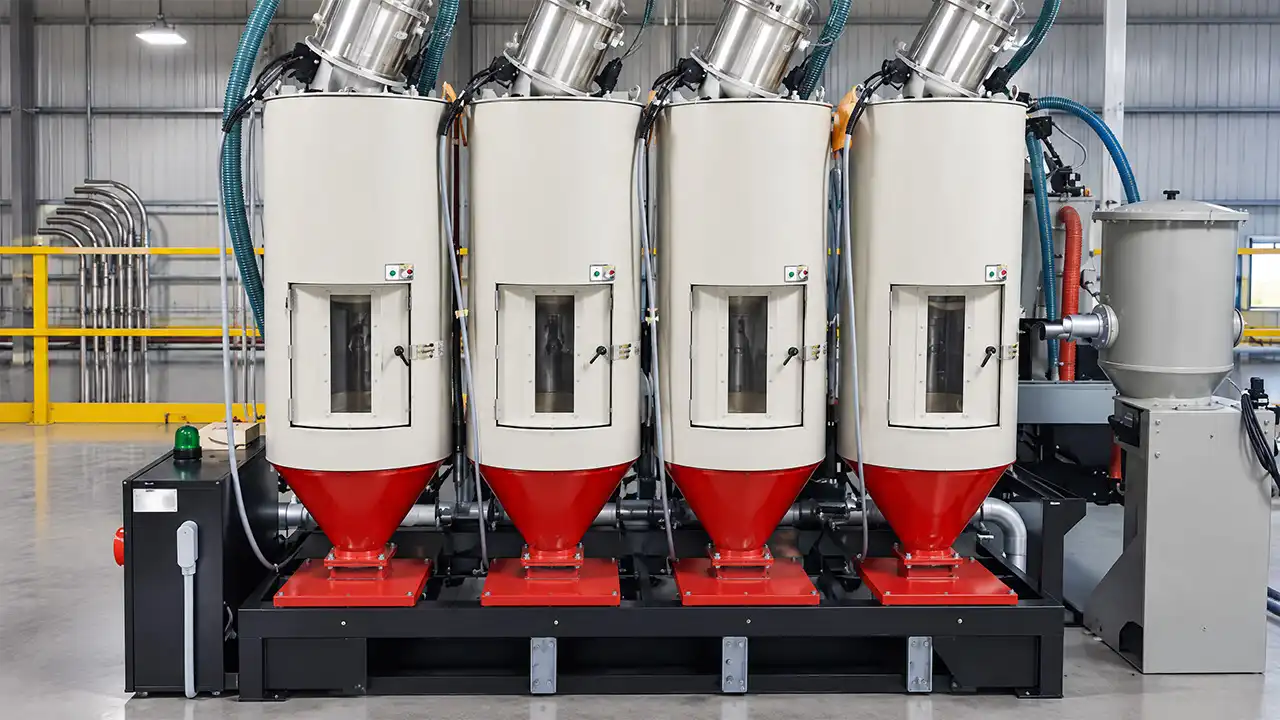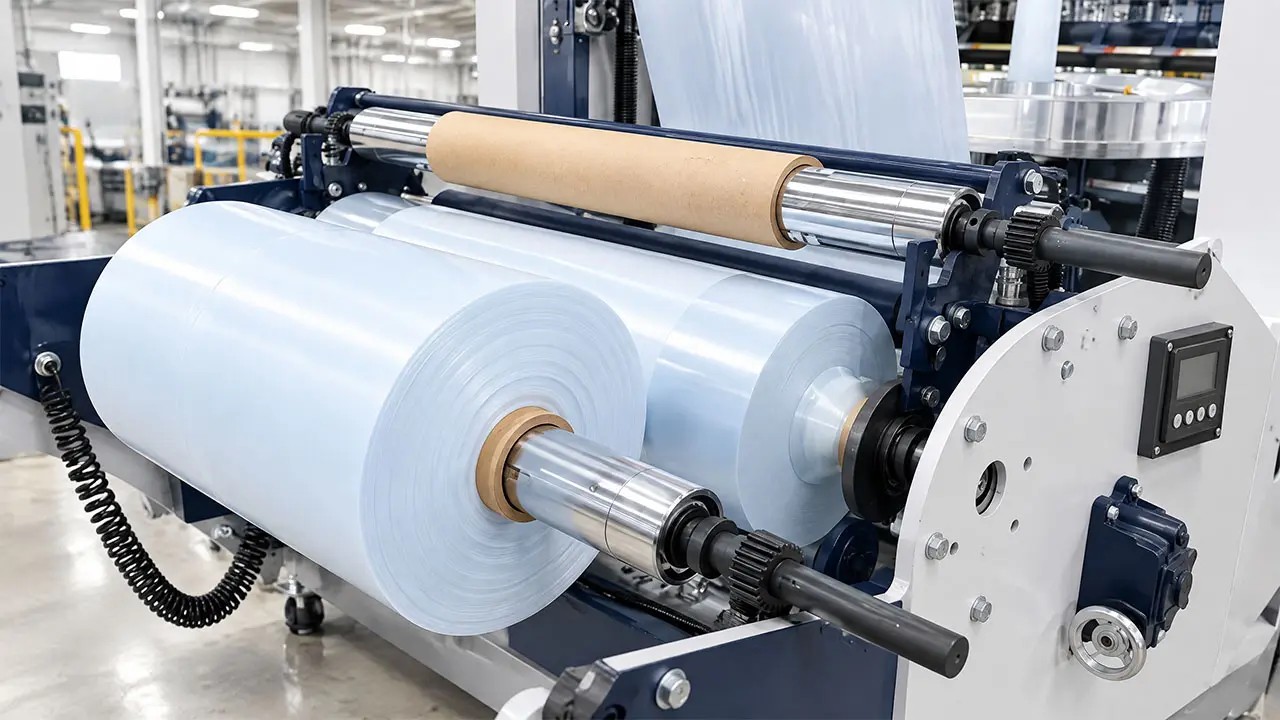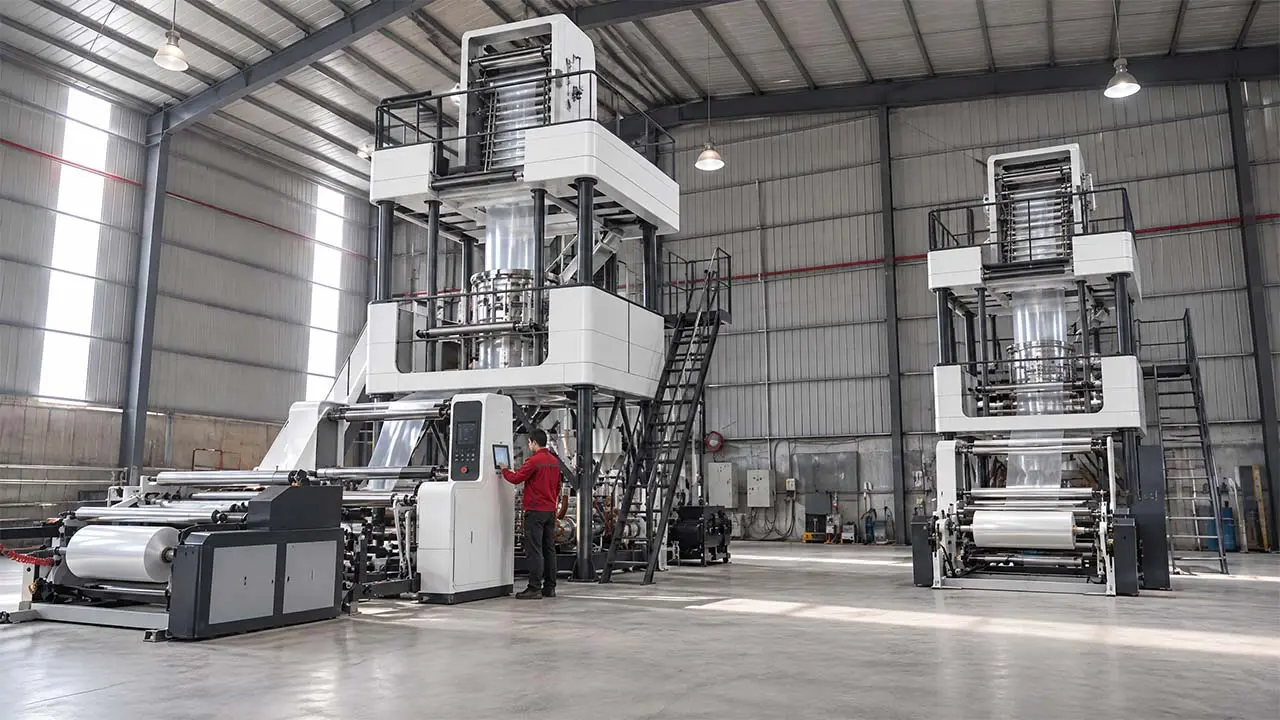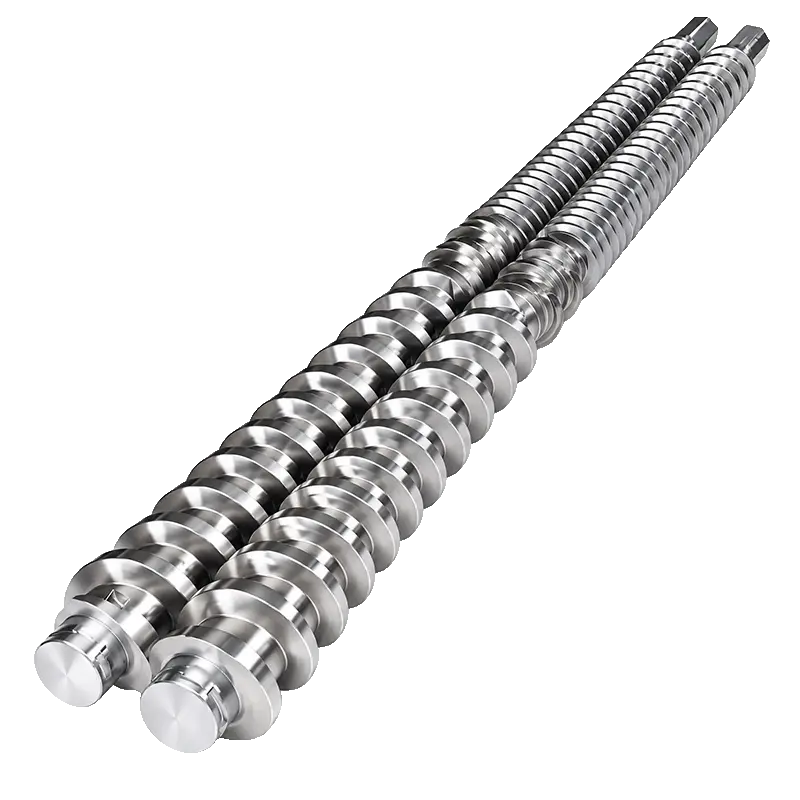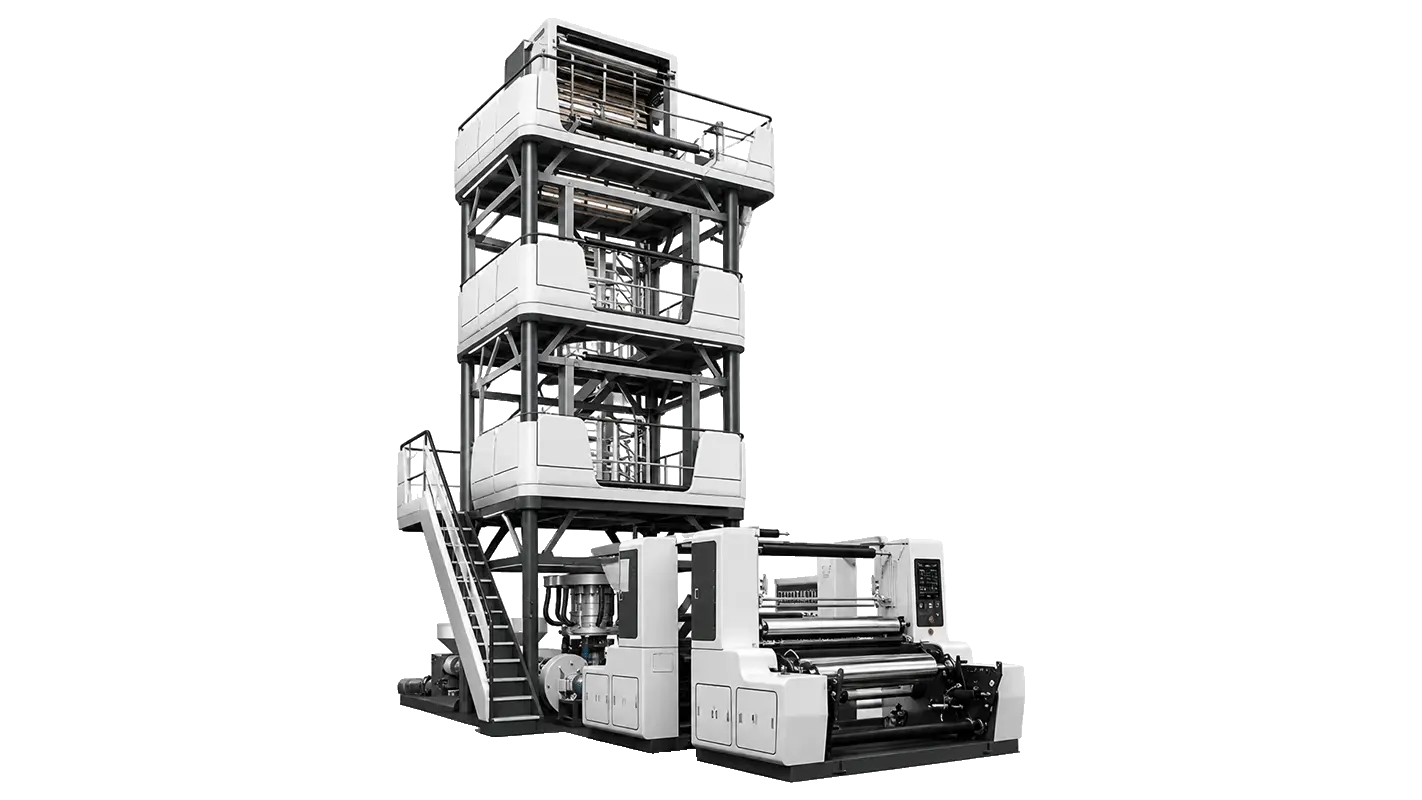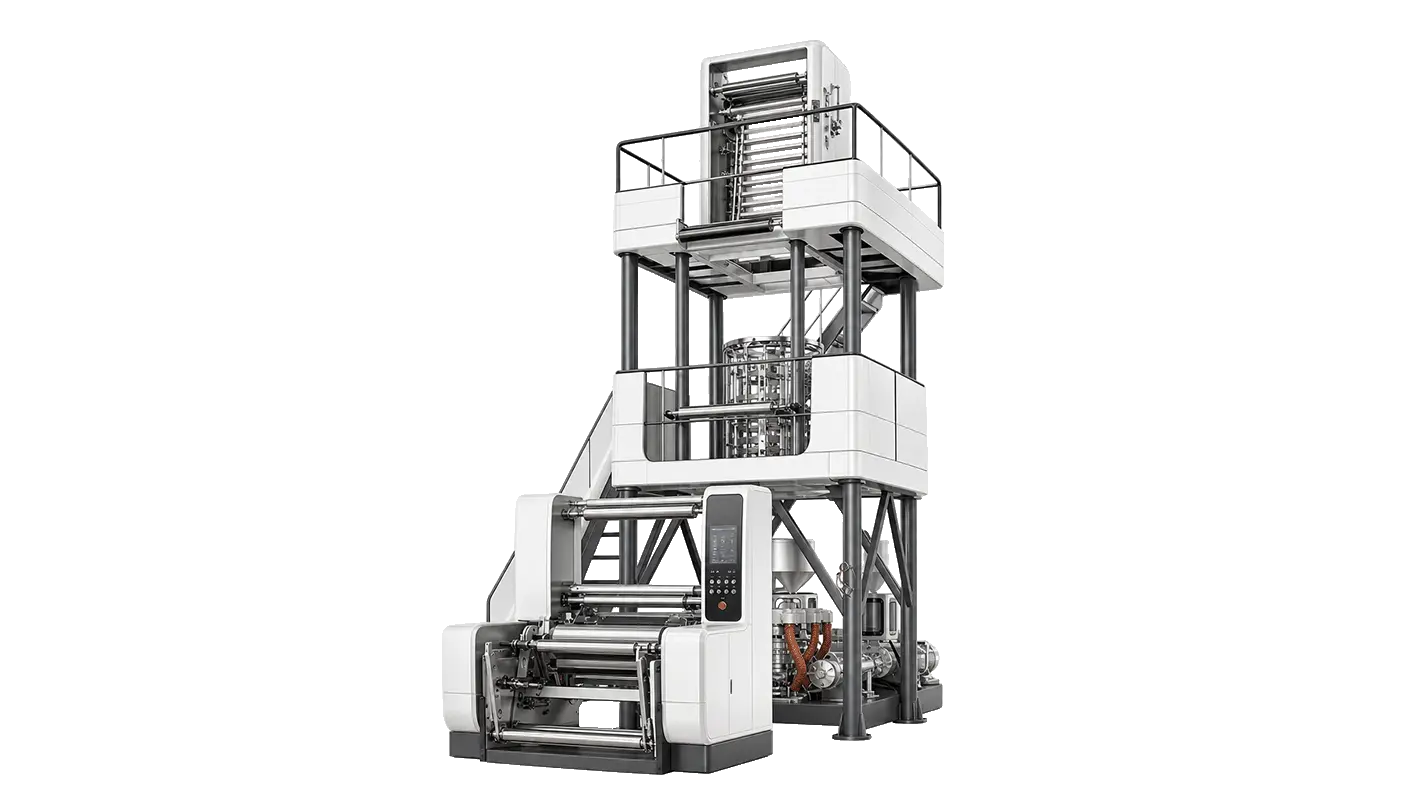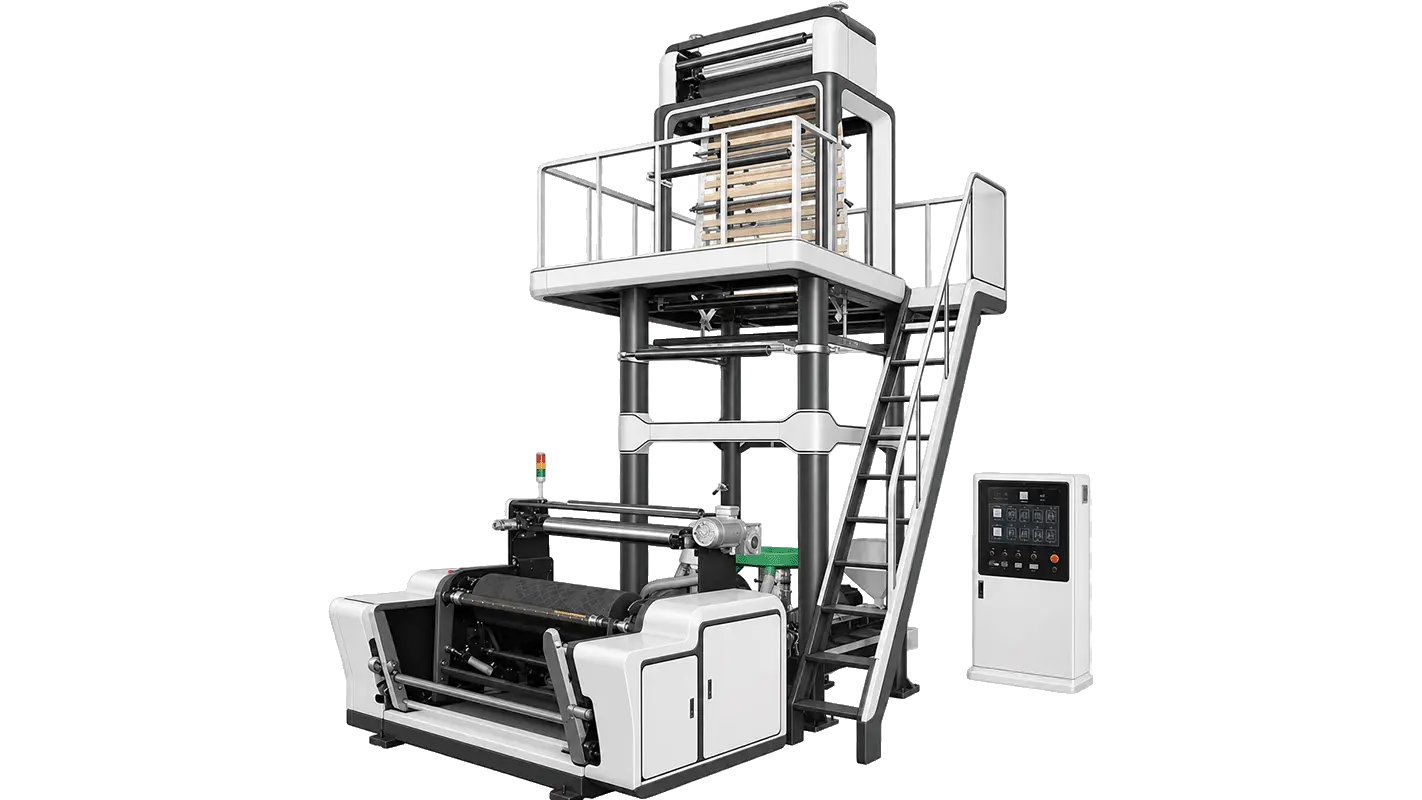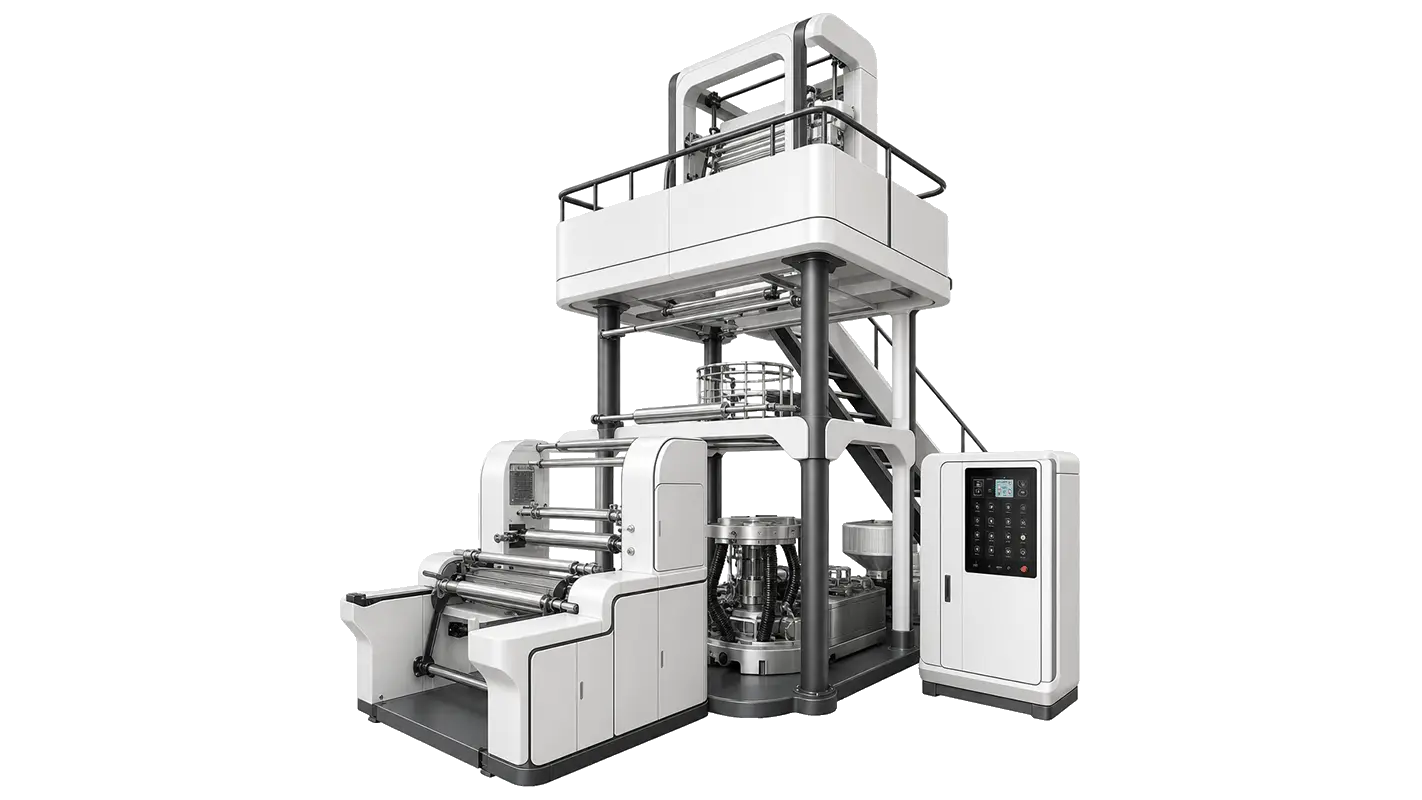
Single-screw extrusion for LDPE, HDPE and LLDPE film — the proven foundation for shopping bags, garbage bags, agricultural mulch film and general PE packaging.
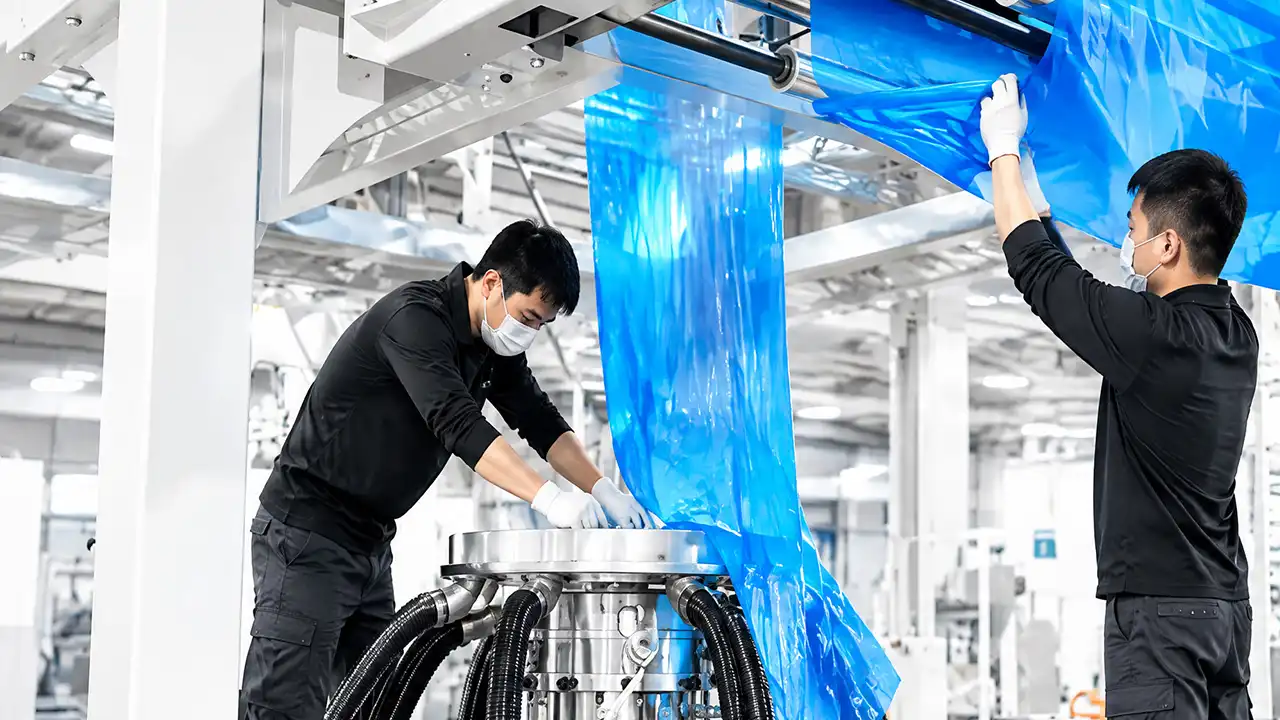
A mono-layer blown film machine extrudes a single continuous layer of PE resin into tubular film, wound into rolls for downstream bag making or printing. The most direct and cost-efficient route from raw resin to finished film where barrier properties are not required.
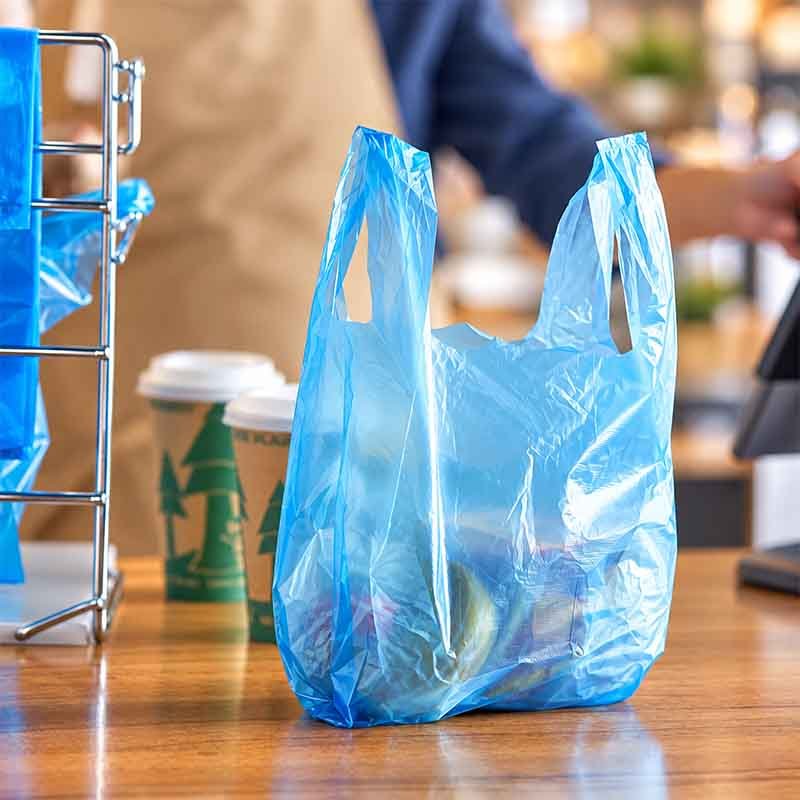
HDPE is the standard resin for T-shirt (vest-style) shopping bags. Its stiffer molecular structure produces the characteristic crinkle and stiffness retail buyers expect. A single HDPE layer delivers sufficient tensile strength for typical carry loads without requiring co-extrusion.
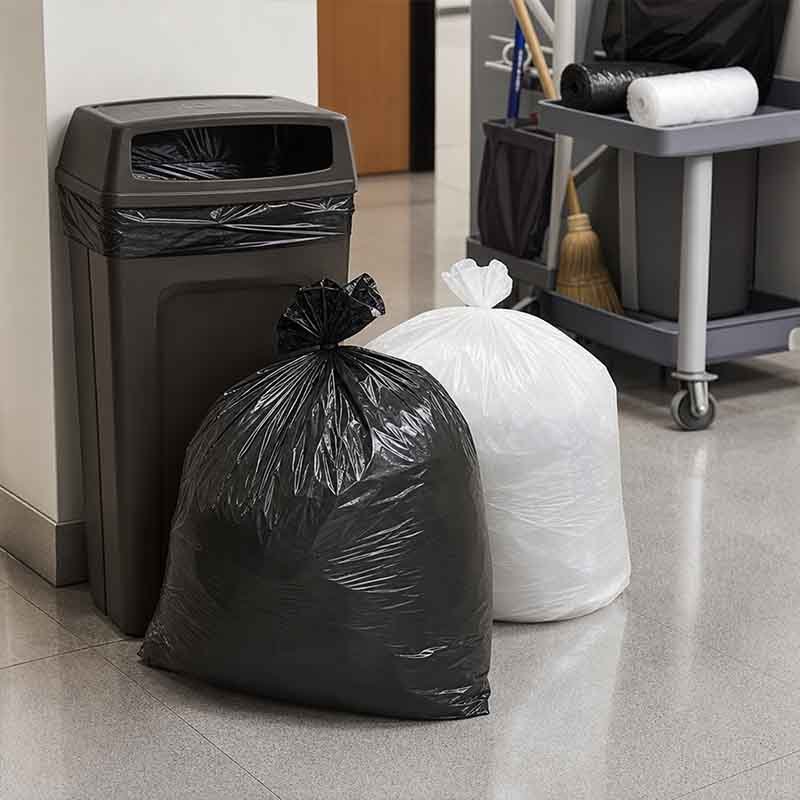
LDPE provides softness and reliable seal strength; LLDPE adds puncture resistance for heavier waste loads. Single-layer construction is sufficient — no barrier layer is needed, and the straightforward structure keeps material cost and machine complexity low.
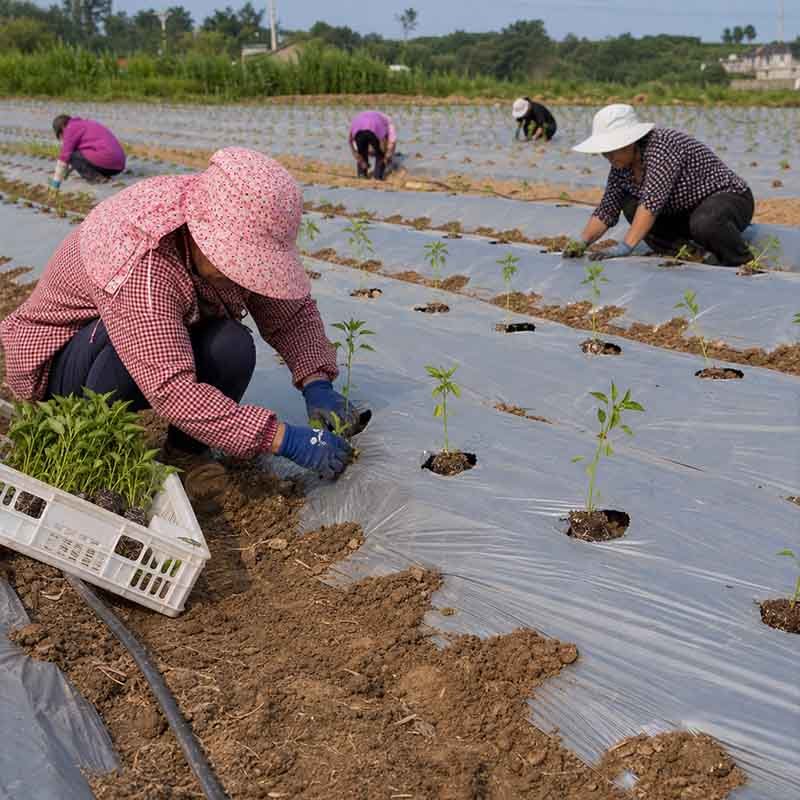
Wide-width LDPE or LLDPE film for field mulching and greenhouse covering. Film widths of 1,000mm and above are typical, requiring Φ80mm and up. Functional additives such as UV stabilisers, anti-drip agents and black masterbatch are blended directly into the single layer.
A mono-layer blown film machine is the right choice when your target product requires flexibility, seal strength or stiffness from a single PE resin — and does not require oxygen, moisture or aroma barrier performance. For applications where barrier properties are needed, a 5-layer or 7-layer co-extrusion line is the appropriate configuration. Compare: 5-Layer Co-Extrusion Line →
PLA/PBAT blends require a dedicated screw geometry, tighter temperature control and a different purging protocol compared to PE resins. Running PLA/PBAT on a standard PE machine risks thermal degradation and premature screw wear.
See: Biodegradable Film Machine (PLA/PBAT) →A mono-layer machine processes one resin at a time. The film's performance — stiffness, softness, tear resistance, seal strength — is determined entirely by which PE resin you run.
| Resin | Key Properties | Typical Applications | Why Single-Layer Works | Limitation |
|---|---|---|---|---|
| HDPE High-Density PE | Stiff, crinkle sound, high tensile strength, higher melt temperature, opaque to translucent | T-shirt / vest shopping bags, flat-bottom grocery bags, retail carry bags | Stiffness and carry strength come from the resin itself — no additional layer needed for standard retail bag loads | Lower puncture resistance vs. LLDPE; not suitable for heavy or sharp-edged loads |
| LDPE Low-Density PE | Soft, flexible, excellent seal strength, good clarity, lower melt temperature | Garbage bags, bin liners, produce bags, lamination base film, general industrial film | Softness and seal performance are intrinsic to LDPE — a single layer delivers both without co-extrusion | Lower stiffness than HDPE; not suitable for self-standing bags without gussets or structure |
| LLDPE Linear Low-Density PE | High puncture resistance, excellent tear strength, good elongation, tougher than LDPE at same thickness | Heavy-duty garbage bags, agricultural mulch film, pallet wrap underlayer, construction sheeting | Toughness is built into the molecular structure — single-layer LLDPE handles demanding mechanical loads without additional layers | Slightly lower clarity than LDPE; higher processing torque — confirm screw compatibility before running high-LLDPE blends |
| PCR Blend Post-Consumer Recycled PE | Variable properties depending on PCR source and blend ratio; typically blended with virgin LDPE or LLDPE | Non-food packaging film, garbage bags with recycled content, industrial film with sustainability requirements | Single-layer construction is the standard approach for PCR-blend film — no barrier requirement means no co-extrusion needed | PCR quality varies by source; WC bi-metallic screw strongly recommended to handle contamination and abrasive content |
For most shopping bag, garbage bag and agricultural film applications, a single PE resin layer provides all the mechanical performance the product requires. Co-extrusion becomes necessary only when two or more functional properties cannot be achieved by a single resin.
Select your target material to view the corresponding model range. All figures are reference values under standard operating conditions and vary by film width, thickness and formula.
Suitable for: Garbage bags, agricultural mulch film, greenhouse film, lamination film, industrial stretch film, general-purpose packaging film.
| Model | Screw Ø | Max Film Width | Die Head Ø | Output (kg/h) | Main Motor (kW) | Cooling Fan (kW) | Floor Space (m) |
|---|---|---|---|---|---|---|---|
| Mini | Φ45mm | 50mm | 133# | 15–50 | 8 | 3 | 3×2.5×3.5 |
| LQ-50-700 | Φ50mm | 120mm | 146# | 80 | 15 | 4 | 6×3.5×5.2 |
| LQ-55-900 | Φ55mm | 150mm | 173# | 100 | 18.5 | 4 | 6×3.5×5.2 |
| LQ-60-1100 | Φ60mm | 200mm | 180# | 120 | 22 | 5.5 | 6×3.5×6.2 |
| LQ-65-1300 | Φ65mm | 250mm | 200# | 130 | 30 | 5.5 | 6×4×6.8 |
| LQ-70-1600 | Φ70mm | 350mm | 200# | 180 | 37 | 7.5 | 7×4×7.2 |
| LQ-80-1800 | Φ80mm | 400mm | 225# | 180 | 45 | 11 | 7×4×7.2 |
| LQ-80-2000 | Φ80mm | 400–500mm | 250# | 180–200 | 55 | 11 | 10.5×4×9.2 |
| LQ-85-2200 | Φ85mm | 450–550mm | 275# | 180–200 | 55 | 11 | 10.5×4×9.2 |
| LQ-110-2400 | Φ110mm | 550–650mm | 315# | 180–200 | 90 | 15 | 10.5×4×9.5 |
| LQ-120-2600 | Φ120mm | 650mm | 330# | 300 | 110 | 15 | 10.5×4×10.5 |
Suitable for: T-shirt shopping bags, vest bags, flat-bottom bags. HDPE configuration uses a dedicated low-pressure die head and adapted screw geometry for high-density resin processing.
| Model | Screw Ø | Max Film Width | Die Head Ø | Output (kg/h) | Main Motor (kW) | Cooling Fan (kW) | Floor Space (m) |
|---|---|---|---|---|---|---|---|
| LQ-50-700 | Φ50mm | 60mm | 146# | 60 | 15 | 4 | 6×3.5×5.2 |
| LQ-55-900 | Φ55mm | 80mm | 173# | 80 | 18.5 | 4 | 6×3.5×5.2 |
| LQ-60-1100 | Φ60mm | 100mm | 180# | 100 | 22 | 5.5 | 6×3.5×6.2 |
| LQ-65-1300 | Φ65mm | 120mm | 200# | 100 | 30 | 5.5 | 6×4×6.8 |
| LQ-70-1600 | Φ70mm | 150–180mm | 200# | 120 | 37 | 7.5 | 7×4×7.2 |
| LQ-80-2000 | Φ80mm | 180–220mm | 200# | 150–180 | 55 | 11 | 10.5×4×7.2 |
| LQ-85-2200 | Φ85mm | 250mm | 225# | 150–180 | 55 | 11 | 10.5×4×9.2 |
| LQ-110-2400 | Φ110mm | 250–300mm | 315# | 180–200 | 90 | 15 | 10.5×4×9.5 |
| LQ-120-2600 | Φ120mm | 260–300mm | 330# | 240 | 110 | 15 | 10.5×4×10.5 |
Final pricing depends on screw diameter, die head configuration, motor brand selection and optional upgrades. Contact our engineers for a configuration-specific estimate.
Get a Configuration-Specific QuoteA single-layer PE blown film machine is the most accessible entry point into film extrusion — and the right long-term choice for a wide range of high-volume applications.
You do not need to buy a full line. A single mono-layer blown film machine can be purchased and commissioned independently. Bag making and printing equipment can be added later.
The Mini model (Φ45mm) is the lowest-cost entry point, suitable for small-batch production and product testing. For commercial-scale output, Φ55mm and above is the recommended starting point.
Every machine runs a 72-hour continuous test at LayerQuestar's factory before shipment. You or your representative are welcome to witness the test in person before final payment and dispatch.
| Criteria | Mono-Layer | 2-Layer AB | 3-Layer ABA |
|---|---|---|---|
| Typical applications | Shopping bags, garbage bags, mulch film | PCR-blend film, general packaging | Courier bags, lamination film, stretch film |
| Material flexibility | Single resin or blend | Two-component structure | Surface + core + surface — independent control |
| PCR content | Blended into single layer | Isolated to one layer | Isolated to core layer — food-contact safe surface |
| Output range | 50–300 kg/h | 100–200 kg/h | 150–450 kg/h |
| Operator complexity | Low — 1 extruder | Medium — 2 extruders | Medium — 2–3 extruders |
| Investment level | Entry | Mid | Mid–High |
From mono-layer film to finished T-shirt bags — full line configuration guide.
Mulch film and greenhouse film — machine selection and material guide.
Equipment, layout, staffing and investment planning for first-time factory owners.
Staffing, material changeover, downstream compatibility and running costs.
A mono-layer blown film machine can be operated by 2 people under normal production conditions — one machine operator and one winding/roll-change assistant.
No advanced technical background is required for daily operation. LayerQuestar provides full operator training during on-site commissioning.
Switching between LDPE, LLDPE and HDPE formulations requires a purge cycle. Changeover time depends on the degree of colour or additive difference between runs.
The same machine can run shopping bags, garbage bags, agricultural film and stretch film by adjusting die gap, haul-off speed and cooling airflow — no tooling change required for most transitions.
Film rolls produced by this line are compatible with:
The main variables affecting operating cost are:
Contact our engineers for a configuration-specific power consumption estimate.
The five hardware decisions that determine how a blown film machine performs over a 10-year service life — and how LayerQuestar specifies each one.
Before any machine leaves LayerQuestar's factory, it runs a continuous 72-hour production test under load. Output consistency, temperature stability, thickness tolerance and all mechanical systems are verified during this run. Buyers are welcome to attend in person or send a representative.
Learn about the FAT process →Warranty coverage, spare parts supply and ongoing technical support after the machine ships.
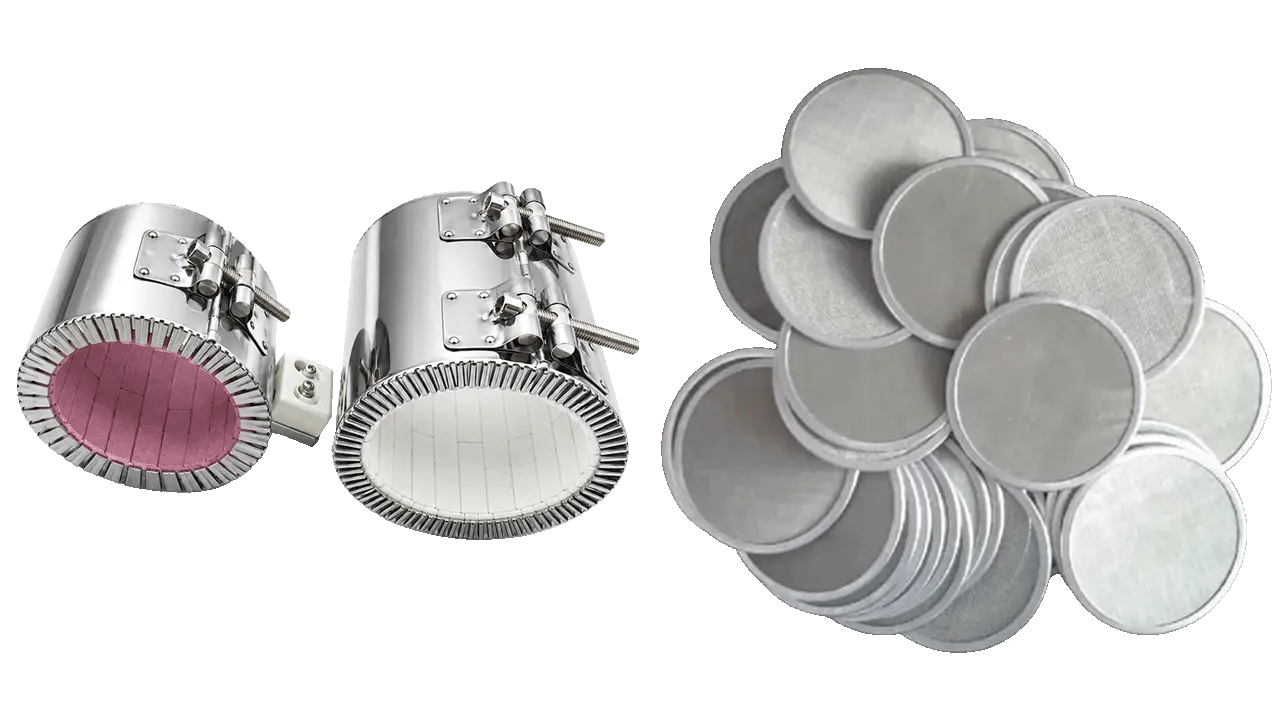
Wear parts (screen filters, heating elements, seals) are not covered under the standard warranty but are available from LayerQuestar's spare parts supply programme.
These parts are consumed in normal operation and should be stocked on-site. LayerQuestar can supply all items below.
A recommended starter kit of fast-wear consumables is available with every new machine order.
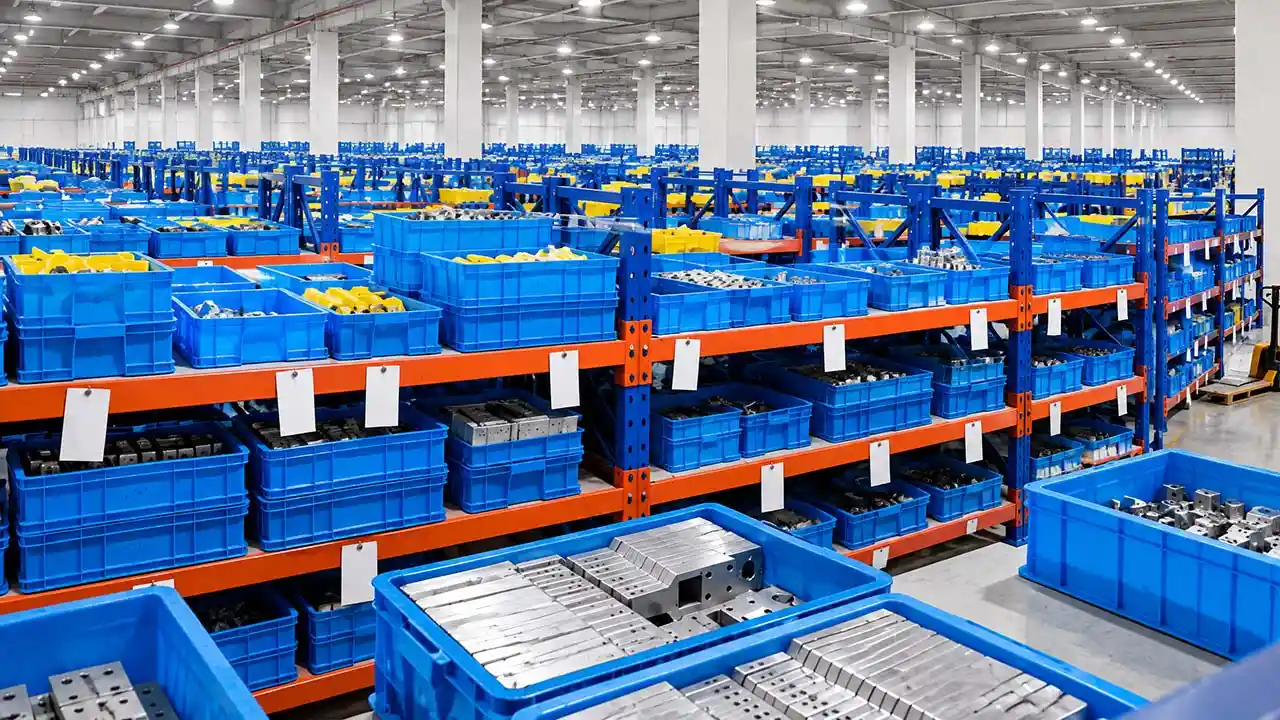
Replacement parts can be ordered directly from LayerQuestar. Standard parts are typically dispatched within 3 business days.
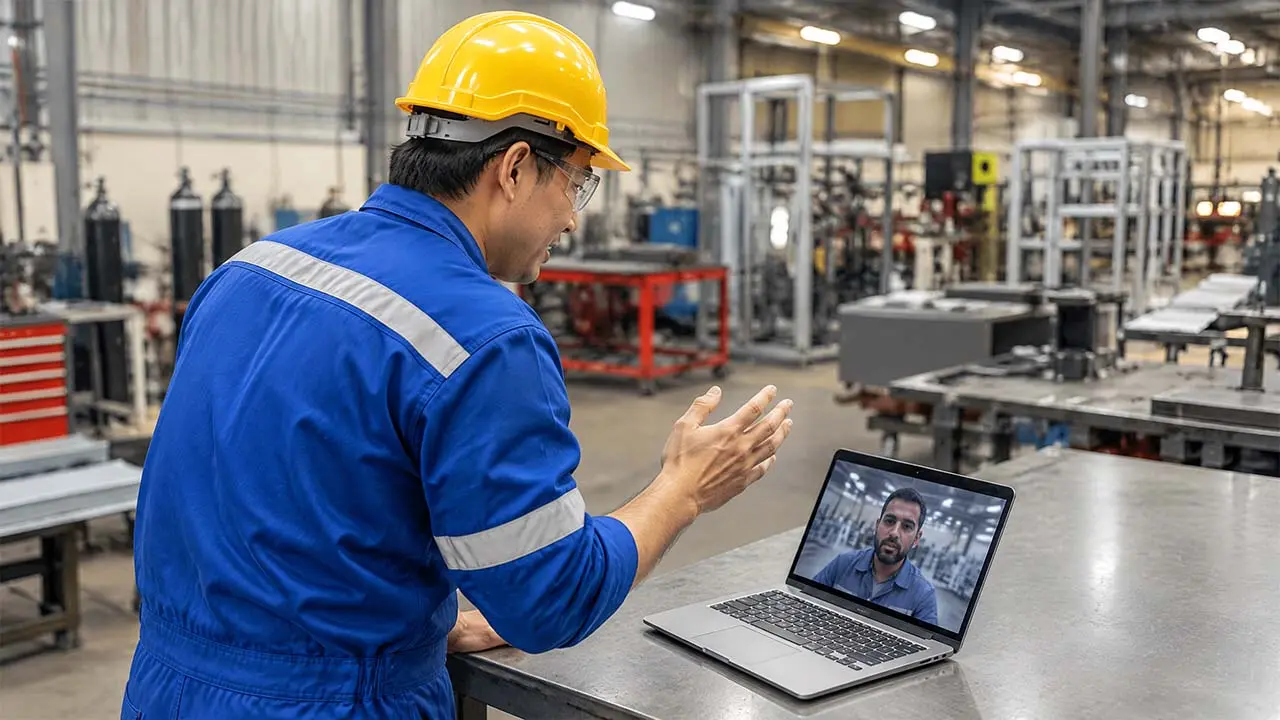
LayerQuestar's engineering team provides remote troubleshooting via video call, email and WhatsApp. On-site service visits are available for major commissioning or fault diagnosis.
Common questions from buyers evaluating a mono-layer blown film machine.
A mono-layer blown film machine can produce shopping bags (T-shirt/vest bags), garbage bags, agricultural mulch film, greenhouse film, lamination film, industrial stretch film and general-purpose packaging film. The specific product range depends on the resin used (HDPE, LDPE or LLDPE) and the die head configuration.
The entry point is the Mini model (Φ45mm), suitable for small-batch production and product testing. For commercial-scale output, a Φ55mm or Φ60mm configuration is the recommended starting point. Final pricing depends on screw diameter, die head configuration and optional upgrades. Contact LayerQuestar for a configuration-specific quote. [NEEDS CLIENT DATA — confirm price range]
Under normal production conditions, a mono-layer blown film machine can be operated by 2 people per shift — one machine operator and one winding/roll-change assistant. No advanced technical background is required for daily operation. Full operator training is provided during on-site commissioning.
Floor space and ceiling height requirements vary by model. As a reference, a Φ65mm configuration requires approximately 6×4m floor space with a minimum ceiling height of 6.8m. Larger models require proportionally more space. Power supply options include 380V/50Hz and 440V/60Hz. Refer to the Technical Specifications table above for model-specific figures.
Yes. PCR-blend resins can be processed on a mono-layer machine by blending recycled content into the single layer. The WC bi-metallic screw (HRC 59–65) is specified to handle the higher abrasion associated with PCR compounds. Note that in a mono-layer structure, PCR content cannot be isolated from the film surface — if food-contact compliance or surface quality is a requirement, a 2-layer or 3-layer configuration is recommended.
No. Standard mono-layer PE blown film machines are not suitable for PLA/PBAT processing. PLA has a narrow thermal processing window and requires adapted screw geometry, tighter temperature control, pre-drying of pellets and dedicated purging protocols. A dedicated biodegradable film machine configuration is required. See the Biodegradable Film Machine page for full technical details.
Every LayerQuestar machine runs a continuous 72-hour production test before shipment. During this test, output consistency, temperature stability, film thickness tolerance (±8% target), winding quality and all mechanical and electrical systems are verified under load. Buyers or their representatives are welcome to attend the test in person before final payment and dispatch.
On-site commissioning for a mono-layer blown film machine typically takes 5–7 days, depending on factory readiness (power supply, floor space, resin availability) and the buyer's technical team. LayerQuestar's engineers provide on-site commissioning and operator training as part of the standard delivery package.
Yes. The mono-layer blown film machine can be purchased and commissioned as a standalone unit. Bag making machines and flexographic printing machines can be added at a later stage. LayerQuestar supplies all three equipment types and can plan the full line integration when you are ready to expand.
Tell us your target product, output requirement and available floor space. LayerQuestar's engineers will recommend the right model, screw diameter and downstream configuration — at no obligation.
Leave your contact and we will send the spec sheet download link instantly.
Click the button below to download the spec sheet.
Download Machine Specs (PDF)Download started. Please check your browser download list or Downloads folder. If you do not see the file, please email info@layerquestar.com and we will send it to you directly.