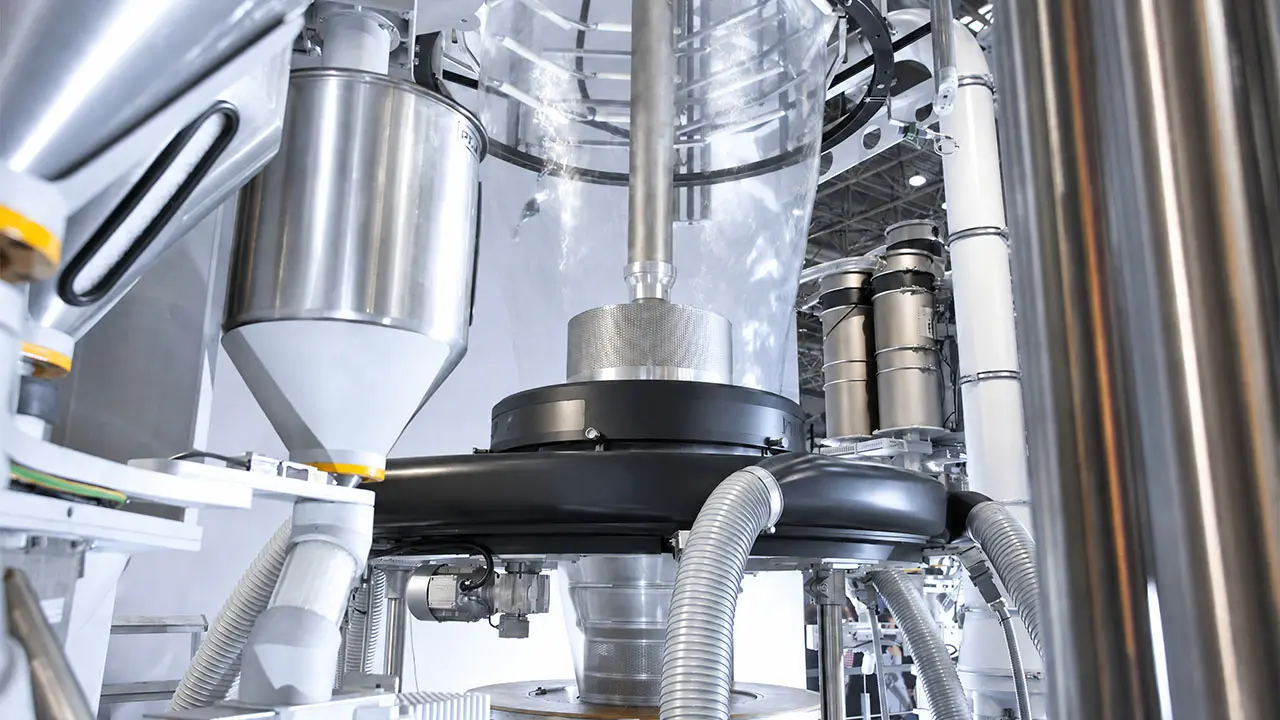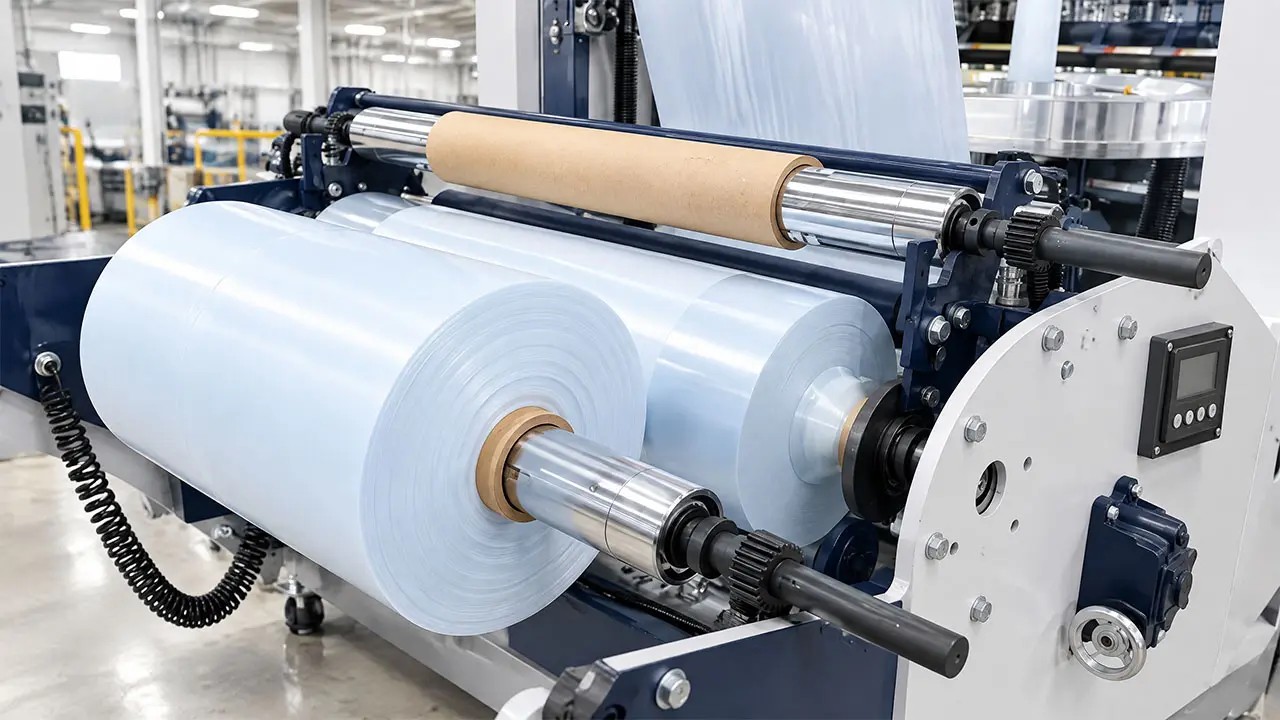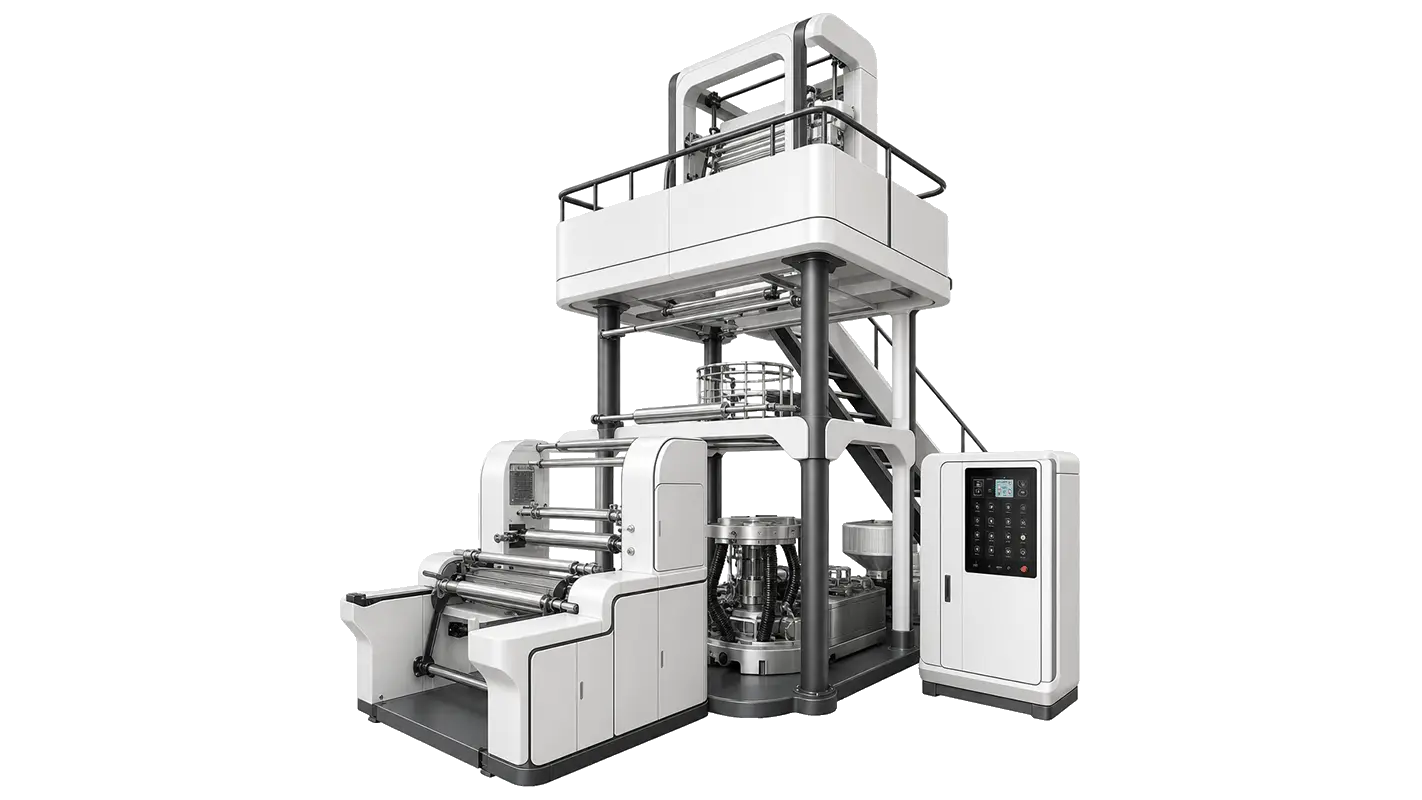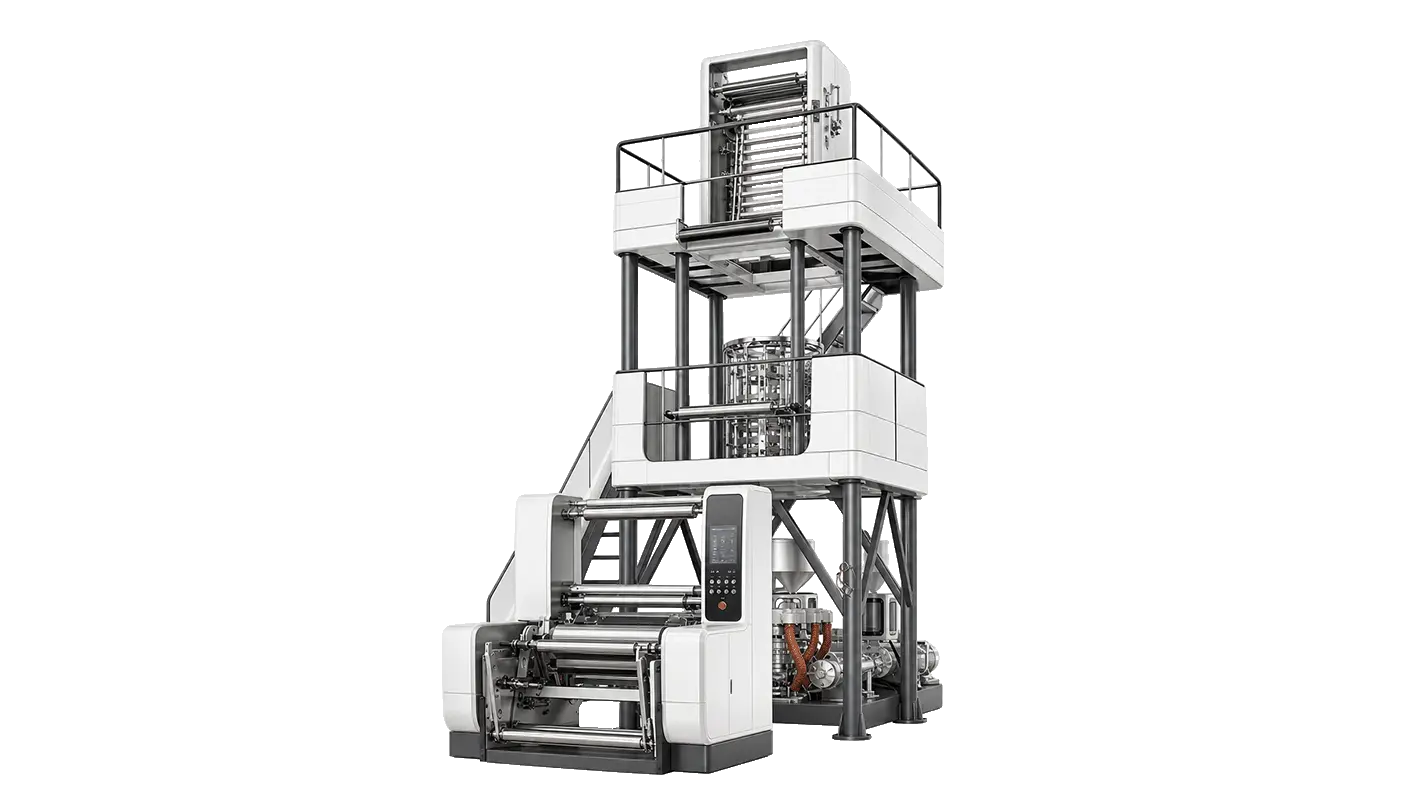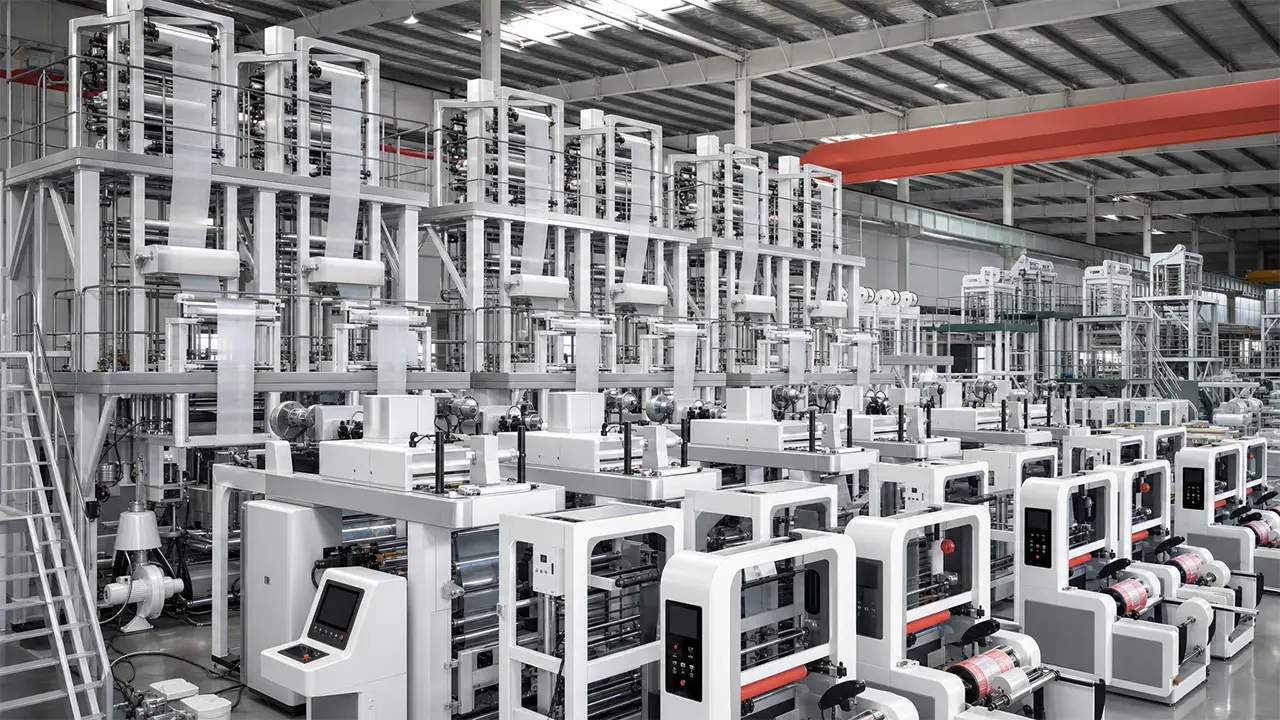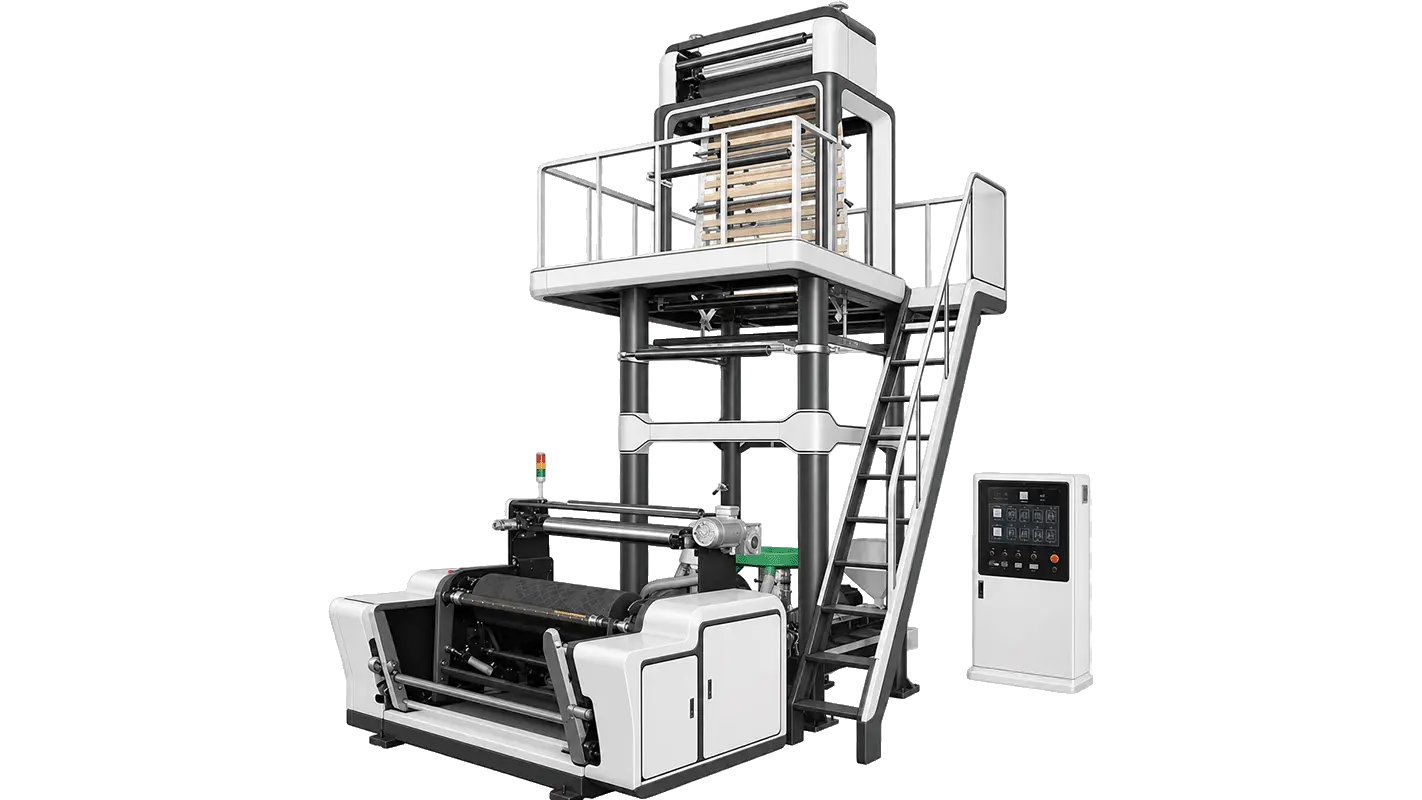
LayerQuestar biodegradable PLA PBAT blown film machine producing compostable bags
PLA · PBAT · Compostable Film

Biodegradable Film Machine
PLA / PBAT Specialist Line

A purpose-built blown film platform for PLA/PBAT compostable blends — not a converted PE machine. Available in single-layer and 2-layer AB configurations. Designed for countries and regions where plastic bag legislation is driving the switch to certified compostable packaging.

1–2 Layer Options
80–260kg/h Output Range
32:1 L/D Ratio
72hr Factory Run Test
Processing note: PLA/PBAT blends require a dedicated machine. These materials cannot be run on a standard PE blown film line — see why below.

Get a Configuration Proposal
Applications

What Does a PLA/PBAT Blown Film Machine Produce?

Certified compostable film for markets where plastic bag bans or extended producer responsibility (EPR) regulations require a biodegradable alternative. The film is produced from PLA/PBAT blends and meets EN 13432 / ASTM D6400 industrial compostability standards when formulated correctly.

Certified compostable shopping bags and T-shirt bags made from PLA PBAT blown film
Primary Application

Compostable Shopping & Carrier Bags

The most common application for PLA/PBAT blown film. Retail carry bags, T-shirt bags and flat bags for supermarkets, pharmacies and food service operators in markets with single-use plastic bag bans. Film thickness typically 15–30 microns.

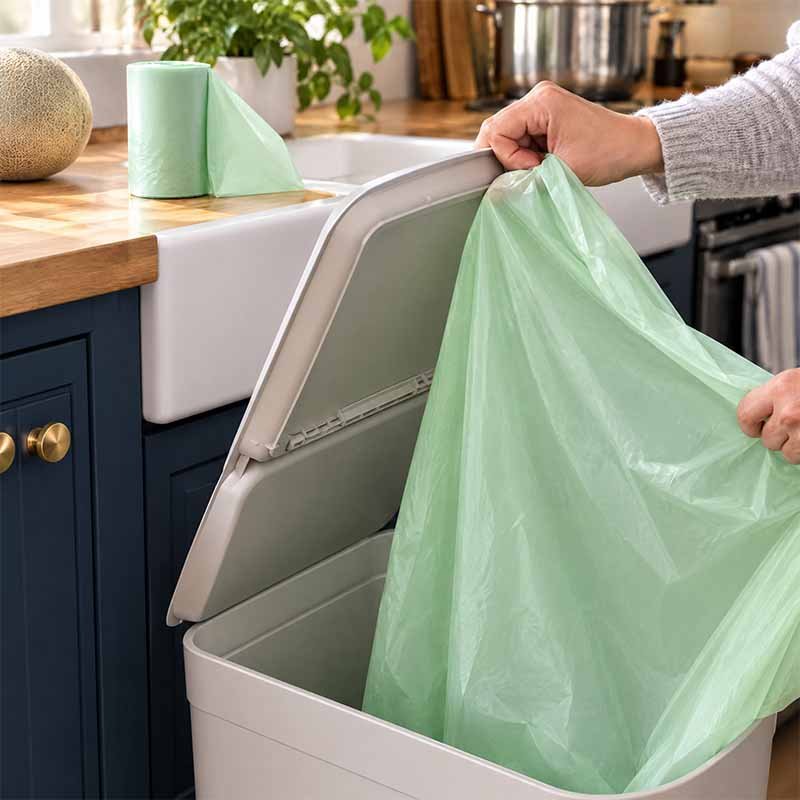
Certified compostable garbage and food waste collection bags from PLA PBAT film
Primary Application

Compostable Garbage & Food Waste Bags

Household organic waste collection bags and food caddy liners for municipal composting programmes. Requires sufficient puncture resistance and wet-strength retention — typically achieved with a higher PBAT ratio in the blend. Film thickness 20–40 microns.

Biodegradable agricultural mulch film produced on LayerQuestar single-screw biodegradable blown film machine
Specialist Application

Biodegradable Agricultural Mulch Film

Soil-biodegradable mulch film for vegetable and crop production. Degrades in-field after the growing season, eliminating the collection and disposal cost of conventional PE mulch film. Dedicated mulch film models available (LQ-65-1300 to LQ-85-2200). Film thickness 8–15 microns.

LayerQuestar Machinery's biodegradable blown film line is a purpose-built platform for PLA/PBAT compostable film production — not a modified PE machine. The line is available in single-layer configuration for compostable bag film and agricultural mulch film, and in 2-layer AB configuration for applications requiring independent surface and structural layer formulation. All models are designed for the lower processing temperatures and higher melt sensitivity of PLA/PBAT blends.

Material Science

Why PLA/PBAT Cannot Run on a Standard PE Machine

The most common mistake buyers make: purchasing a standard LDPE blown film machine and attempting to run PLA/PBAT blends through it. The result is degraded material, unstable bubbles, and film that fails compostability certification. Here is why the machines are fundamentally different.

Parameter Standard PE Machine LayerQuestar Bio Machine
Processing temperature 160–230°C (LDPE/LLDPE) 130–190°C — lower range for PLA/PBAT
Screw L/D ratio Typically 28:1 – 30:1 32:1 — longer residence for gentle, even melting
Screw compression design High-shear PE profile Low-shear, gradual compression — prevents PLA thermal degradation
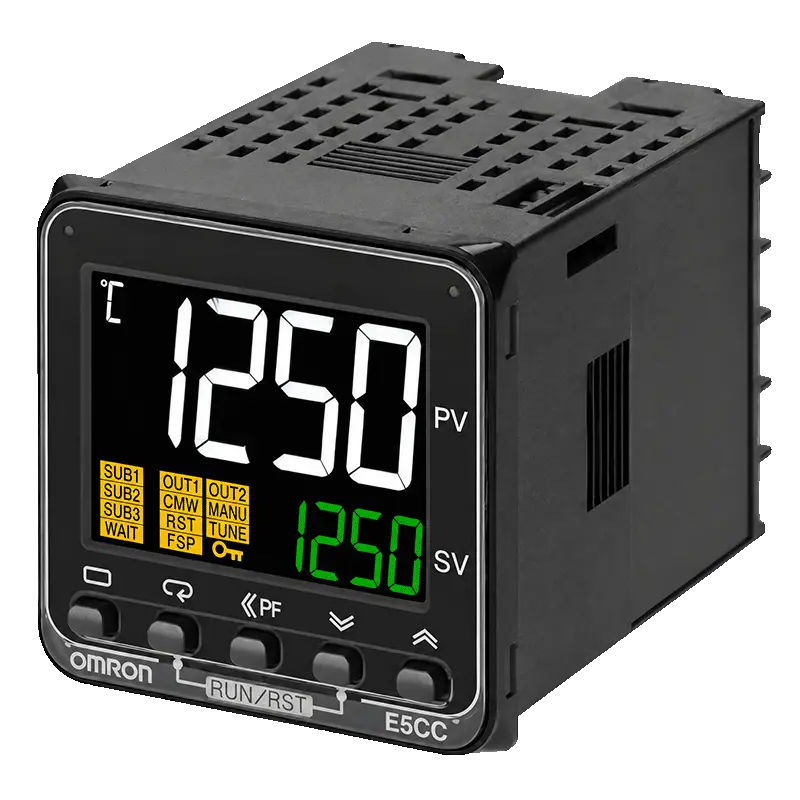
Temperature zone control Standard OMRON PID OMRON PID ±1°C — tighter control critical for PLA's narrow window
Pre-drying requirement Not required for PE Mandatory — PLA moisture <300 ppm before processing
Dedicated drying system Not available Optional integrated drying system — available as add-on
Die head material Standard steel Corrosion-resistant treatment — PLA produces acidic degradation products
BUR (Blow-Up Ratio) 2.5–4.0 typical 2.0–3.0 — lower BUR reduces orientation stress on brittle PLA
Cooling air volume Standard Reduced / adjustable — PLA crystallises faster and needs controlled cooling
Compostability outcome Film fails EN 13432 / ASTM D6400 — thermal degradation alters molecular weight Film maintains molecular integrity for certification compliance
PLA Processing Window
160–190°C
Above 200°C, PLA undergoes hydrolytic and thermal degradation — molecular weight drops, the film becomes brittle and compostability certification is compromised. A standard PE screw running at 190–230°C will overheat PLA in the compression zone.
PBAT Processing Window
130–160°C
PBAT is more thermally stable than PLA but has a lower viscosity at processing temperatures. In a PLA/PBAT blend, the screw must handle both materials simultaneously — the gradual-compression 32:1 L/D design achieves homogeneous mixing without localised overheating of either component.
Moisture — The Critical Pre-condition
<300 ppm
PLA is hygroscopic. Even brief atmospheric exposure raises moisture content above the safe processing threshold. At >300 ppm moisture, hydrolysis during extrusion causes chain scission — the film loses mechanical strength and fails compostability testing. Pre-drying is not optional; it is a prerequisite for every production run.

2-Layer AB Film Cross-Section

Layer A (outer) — PLA-rich blend for stiffness & printability  /  Layer B (inner) — PBAT-rich blend for flexibility & seal performance

Layer A — PLA-rich · ~45%
Layer B — PBAT-rich · ~55%
PLA-rich layer — stiffness, printability, anti-block PBAT-rich layer — flexibility, elongation, heat-seal

* Layer ratio is indicative. Actual PLA/PBAT blend ratio and layer thickness distribution depend on application requirements, target compostability certification and downstream converting process. Contact LayerQuestar for application-specific blend and structure recommendations.

LayerQuestar Machinery's biodegradable blown film line is engineered specifically for PLA/PBAT compostable blends. The 32:1 L/D screw with low-shear gradual compression profile, OMRON PID temperature control at ±1°C, and corrosion-resistant die head treatment address the three primary failure modes when PLA/PBAT is processed on a standard PE machine: thermal degradation, moisture-induced chain scission, and die head corrosion from PLA acidic decomposition products.

Technical Specifications

Model Range & Specifications

Three product lines — single-layer compostable bag film, single-layer biodegradable mulch film, and 2-layer AB co-extrusion. All figures are verified factory data unless noted otherwise.

LayerQuestar biodegradable PLA PBAT blown film machine — exterior view showing dedicated screw and control cabinet
Model Screw Ø Film Width (mm) Output (kg/h) Motor (kW) Die Head (mm) Blower (kW) Gearbox Footprint (m)
LQ-50-700 Φ50mm 700 80 15 120 5.5 146# 8.5×3.0×5.2
LQ-55-900 Φ55mm 900 100 18.5 150 5.5 173# 8.5×3.5×5.2
LQ-60-1100 Φ60mm 1,100 120 22 200 7.5 180# 8.5×4.0×6.2
LQ-65-1300 Φ65mm 1,300 140 30 250 11 200# 8.5×4.0×6.8

All output figures are verified factory data under standard operating conditions. Actual output varies by PLA/PBAT blend ratio, film thickness and ambient conditions. Contact LayerQuestar for application-specific configuration advice.

Shared Specifications — All Biodegradable Models

Screw L/D Ratio 32:1
Processing Temp. (PLA) 160–190°C
Processing Temp. (PBAT) 130–160°C
Temperature Control OMRON PID · ±1°C
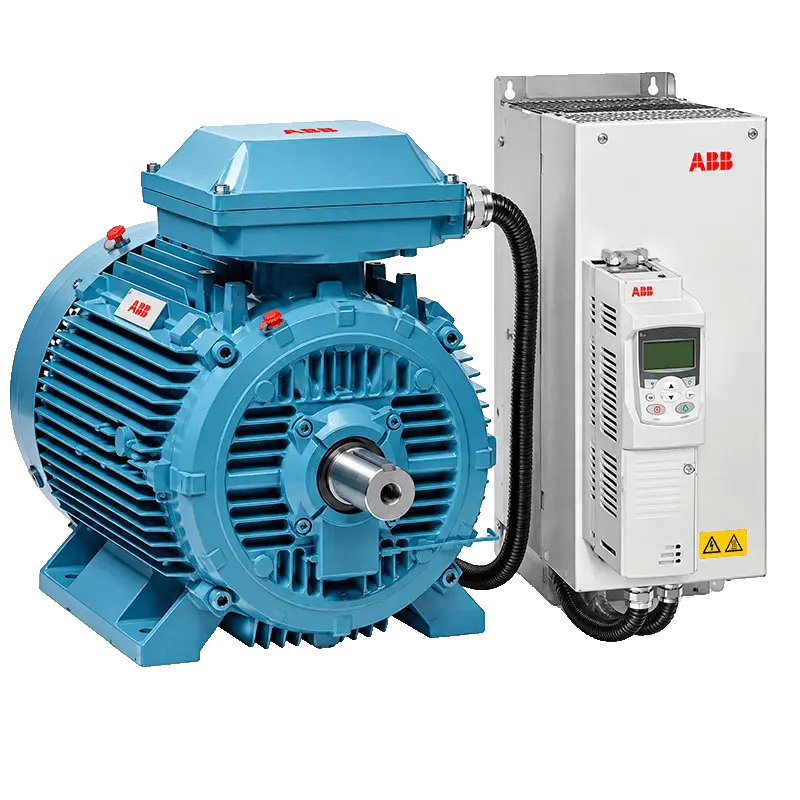
Main Motor ABB preferred
Frame 140mm heavy-wall square tube
Film Thickness Tolerance ±5%
Pre-Drying System Optional integrated — recommended
Factory Run Test 72-hour continuous
Control Cabinet Full English labels · 2–3 cooling fans
Buyer Fit

Is a Biodegradable Film Machine Right for You?

The decision to invest in a PLA/PBAT blown film line is almost always driven by regulation, not preference. These are the clearest indicators.

Good Fit

  • Your country or region has enacted a single-use plastic bag ban requiring certified compostable alternatives
  • Your retail or food service customers require EN 13432 or ASTM D6400 certified compostable bags
  • You are currently purchasing compostable bags from a converter and want to bring production in-house
  • You are a PE bag manufacturer adding a compostable product line to serve regulation-driven demand
  • You need biodegradable agricultural mulch film to eliminate post-harvest plastic collection costs
  • You want 2-layer AB capability to independently optimise the print surface and the structural/seal layer

Important Clarifications

  • This machine does not produce oxo-degradable film. Oxo-degradable additives in PE film are a different technology — and are banned in the EU. This line produces certified industrially compostable film from PLA/PBAT blends.
  • PLA/PBAT film is not home-compostable by default. Standard blends meet industrial composting standards (EN 13432). Home-compostable certification requires specific blend formulation — confirm with your resin supplier before making product claims.
  • If you only need PE film with recycled content, a standard mono-layer or ABA machine with PCR capability is the right choice — see Mono-Layer line or 3-Layer ABA line.

Regulation Context — Why Buyers Are Investing Now

EU Single-Use Plastics Directive (2019/904)

Bans single-use plastic carrier bags across EU member states. Certified compostable bags meeting EN 13432 are an accepted alternative in most member state implementations. [TIER 3 — verify current status per country]

Southeast Asia, South Asia & Africa

Multiple countries including India, Thailand, Kenya, Rwanda and others have enacted or are implementing plastic bag bans at various stages. Enforcement timelines and exemption categories vary significantly by country. [TIER 3 — client should verify current regulatory status in target markets]

LayerQuestar Machinery provides machine specifications and technical support. Regulatory compliance for specific markets is the responsibility of the buyer and their local legal counsel. Always verify current regulation status and certification requirements before committing to a product line.

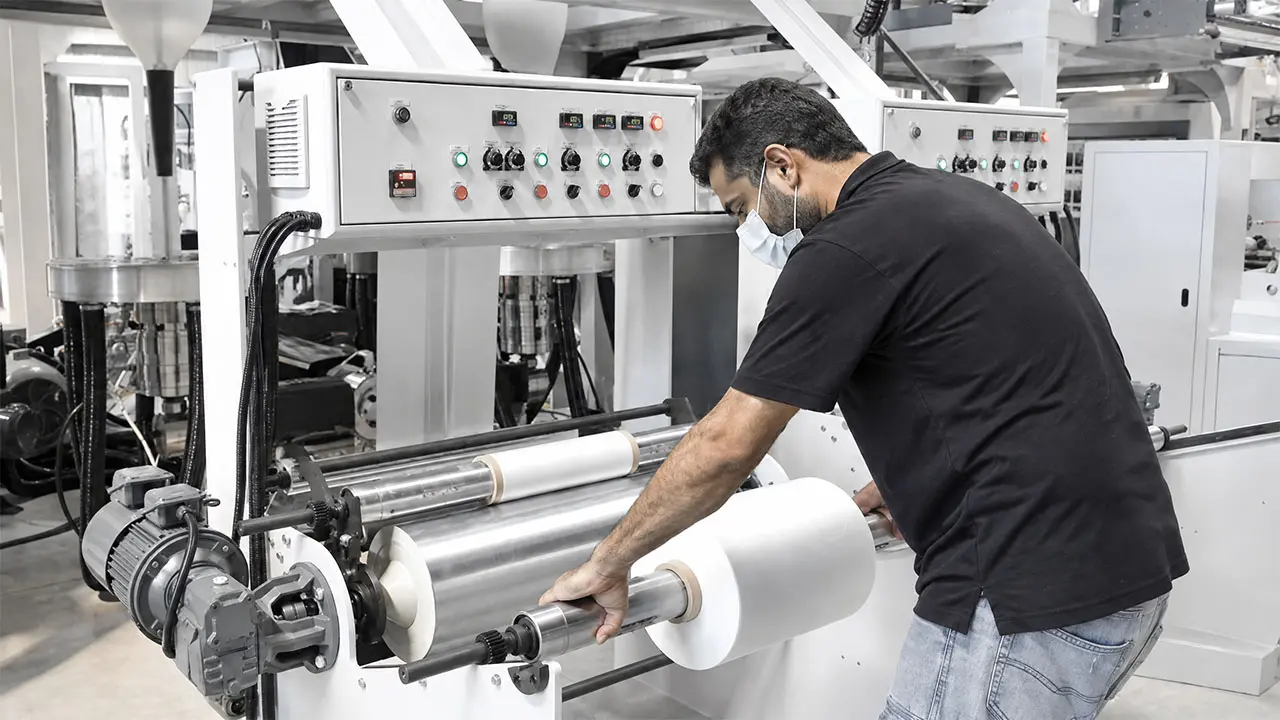
Operator running LayerQuestar biodegradable PLA PBAT blown film machine — control panel and drying system
Operations

Running a PLA/PBAT Blown Film Line

PLA/PBAT processing requires more preparation discipline than PE — particularly around pre-drying and temperature management. Plan your facility and workflow accordingly before commissioning.

Pre-Drying — Non-Negotiable

  • PLA must be dried to <300 ppm moisture before every production run — no exceptions
  • Typical drying: 4–6 hours at 60–80°C in a dehumidifying dryer
  • PBAT is less sensitive but should be dried to <500 ppm for consistent output
  • LayerQuestar's optional integrated drying system is designed for PLA/PBAT and is strongly recommended for consistent production
  • Do not use standard hot-air dryers — dew point control is required for PLA

Temperature Management

  • Set barrel zones in a rising profile: feed zone lowest, metering zone highest — never exceed 195°C on any zone
  • Die head temperature: 170–185°C typical for PLA/PBAT blends
  • Allow full thermal stabilisation (30–45 min) before increasing screw speed
  • Monitor melt pressure — a sudden pressure drop indicates thermal degradation has begun
  • OMRON PID ±1°C control on all zones is critical — do not substitute with lower-grade controllers

Shutdown & Purging

  • Never leave PLA in the barrel or die head at temperature — it degrades rapidly when stationary
  • Purge with LDPE before shutdown — LDPE is thermally stable and displaces PLA cleanly
  • After purging, reduce temperature to below 120°C before stopping the screw
  • Clean the die head lip after every production run — PLA residue carbonises and contaminates the next run
  • LayerQuestar provides a detailed startup/shutdown procedure with every machine
Build Standard

LayerQuestar Build Standard

Five hardware decisions that determine whether a PLA/PBAT line produces consistent, certification-grade compostable film — or degrades material and fails quality checks.

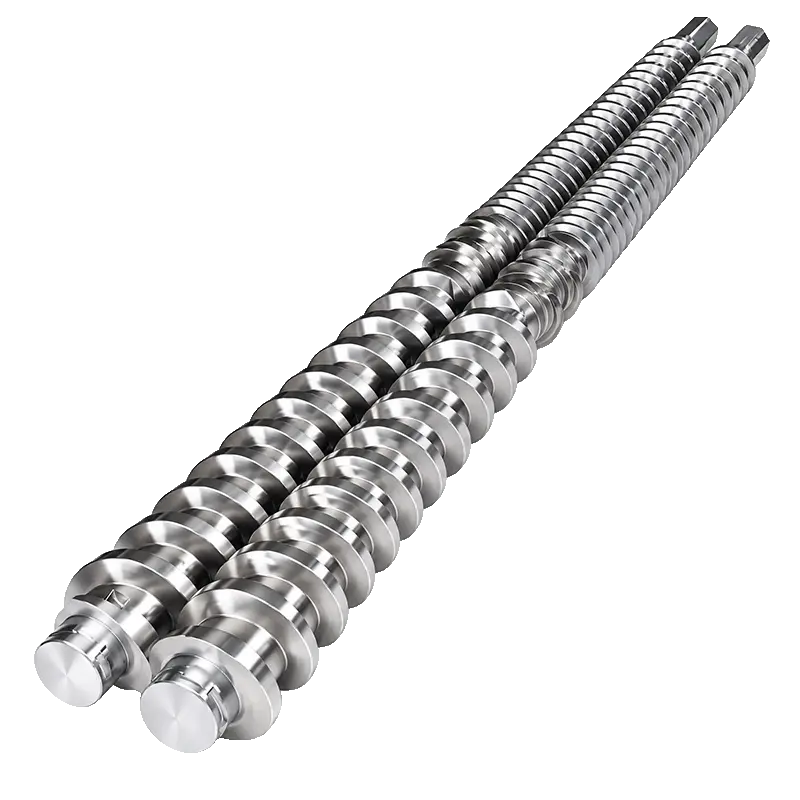
32:1 L/D low-shear screw close-up — LayerQuestar biodegradable PLA PBAT blown film machine
Screw Design
32:1 L/D · Low-Shear

Longer barrel (32:1 vs standard 28:1) allows gradual, low-shear melting of PLA/PBAT blends. WC bi-metallic overlay (HRC 59–65) on base 38CrMoAlA nitrided steel. Compression profile designed to avoid localised overheating that causes PLA chain scission.

OMRON PID temperature controller close-up — LayerQuestar biodegradable film machine
Temperature Control
OMRON PID · ±1°C

PLA's processing window is approximately 30°C wide before degradation begins. OMRON PID controllers on every zone, deviation ±1°C under stable conditions. This is the single most important hardware specification for consistent PLA/PBAT film quality.

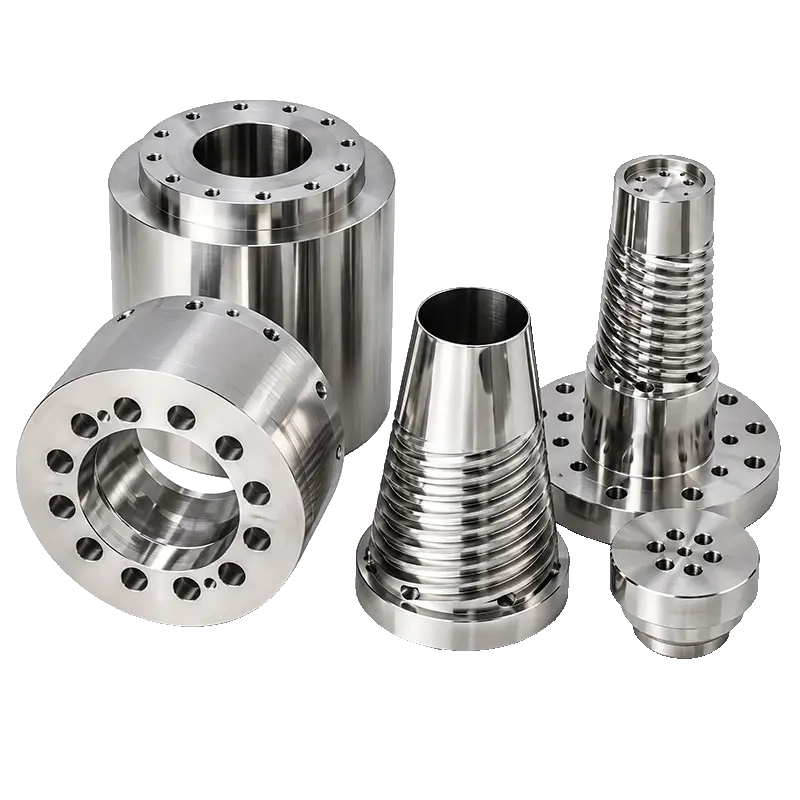
Corrosion-resistant die head close-up — LayerQuestar biodegradable PLA PBAT blown film machine
Die Head
Corrosion-Resistant

PLA produces lactic acid as a thermal degradation by-product. Standard steel die heads corrode over time when running PLA, causing contamination and surface defects in the film. LayerQuestar's biodegradable line uses corrosion-resistant die head treatment as standard on all models.

ABB main drive motor close-up — LayerQuestar biodegradable blown film machine
Main Motor
ABB Preferred

ABB specified as standard across all drive motors. Innomotics and other international-brand motors available on request. VFD-controlled for precise screw speed management — critical for PLA/PBAT where output rate directly affects melt residence time and thermal exposure.

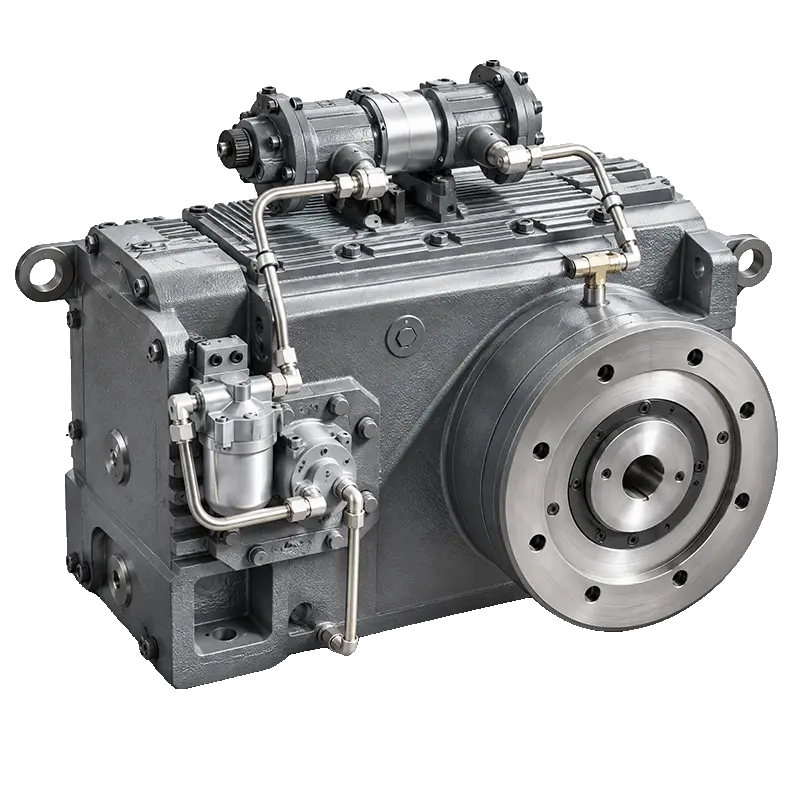
External oil-cooled gearbox close-up — LayerQuestar biodegradable PLA PBAT blown film machine
Gearbox
External Oil-Cooled

External oil-cooled circulation gearbox on every extruder drive. Designed for 8–10 years continuous service life. PLA/PBAT lines run at lower screw speeds than PE lines — the gearbox operates in a sustained low-speed, high-torque regime where thermal management is critical.

LayerQuestar factory acceptance test — 72-hour continuous run on biodegradable PLA PBAT blown film machine

72-Hour Factory Acceptance Test

Every LayerQuestar biodegradable blown film machine completes a 72-hour continuous factory run test before shipment — run on PLA/PBAT blend, not PE. Film samples are taken at intervals to verify thickness tolerance (±5%), bubble stability and temperature zone consistency across all barrel zones. Test records are provided with every machine.

You or your representative are welcome to witness the FAT in person at LayerQuestar's Zhejiang facility before final payment and dispatch.

National High-Tech Enterprise
Certified by the Chinese Ministry of Science and Technology
123+ Patents Granted
Provincial Innovative SME — Zhejiang, China
120+ Countries Served
Established 2008 · Zhejiang, China
After-Sales

Warranty, Spare Parts & Support

PLA/PBAT processing places specific demands on wear components. LayerQuestar's after-sales programme is designed around the actual wear patterns of biodegradable film production.

Warranty

Standard warranty coverage applies to all major mechanical and electrical components. [NEEDS CLIENT VERIFICATION — confirm warranty period and scope for biodegradable film machine models]

PLA/PBAT-Specific Wear Parts

Key wear items for biodegradable lines: screw and barrel sets (WC bi-metallic, matched to PLA/PBAT compression profile), die head lip rings and corrosion-resistant seals, screen packs, heater bands and thermocouple sensors. Starter spare parts kit available with every new machine order. [NEEDS CLIENT DATA — confirm kit contents]

Parts Supply

Replacement parts ordered directly from LayerQuestar. PLA/PBAT-specific components — including corrosion-resistant die head parts and 32:1 screw sets — held in stock at the Zhejiang facility. Standard dispatch within [NEEDS CLIENT DATA — confirm lead time] business days.

Remote Technical Support

LayerQuestar's engineering team provides remote troubleshooting via video call, email and WhatsApp — covering PLA/PBAT processing issues, bubble instability diagnosis, temperature profile optimisation and pre-drying protocol guidance. On-site commissioning and operator training included as standard for all biodegradable line installations. [NEEDS CLIENT DATA — confirm response time commitment]

FAQ

Frequently Asked Questions

Common questions from buyers evaluating a PLA/PBAT biodegradable blown film line.

Can I run PLA/PBAT on my existing PE blown film machine?

No — not reliably, and not without risking material degradation that will cause the film to fail compostability certification. The core problems are: a standard PE screw runs at too high a shear rate for PLA, causing localised overheating and chain scission; standard barrel temperatures are set 20–40°C above PLA's safe processing window; and standard die heads are not treated for the corrosive by-products of PLA thermal degradation.

Some operators report running low-PLA-content blends (<30% PLA) on PE machines with modified temperature profiles. However, the resulting film typically has reduced molecular weight, compromised mechanical properties, and will not pass EN 13432 or ASTM D6400 certification testing. For certified compostable film production, a dedicated machine is required.

What is the difference between industrial compostable and home compostable?

Industrial compostable (EN 13432 / ASTM D6400) means the film degrades within 12 weeks at 58°C in a controlled industrial composting facility. This is the standard most plastic bag regulations accept as a compliant alternative to single-use PE bags.

Home compostable means the film degrades at ambient garden compost temperatures (typically 20–30°C) within a defined timeframe. This requires a different, more expensive blend formulation and is certified under separate standards (e.g. TÜV Austria OK compost HOME, AS 5810 in Australia). Standard PLA/PBAT blends do not meet home compostable standards without specific formulation work. Confirm your target certification with your resin supplier before making product claims.

What PLA/PBAT blend ratio should I use?

The most common blend ratio for compostable bag film is 40–60% PLA / 40–60% PBAT, depending on the application. Higher PLA content increases stiffness and printability but reduces elongation and toughness — the film becomes more brittle. Higher PBAT content improves flexibility, puncture resistance and heat-seal performance but reduces stiffness and increases cost (PBAT is typically more expensive than PLA).

For shopping bags: 50/50 to 60/40 PLA/PBAT is a common starting point. For garbage and food waste bags requiring higher toughness: 40/60 PLA/PBAT or lower PLA ratios are more typical. For agricultural mulch film: formulation varies significantly by required degradation rate and soil conditions. LayerQuestar recommends working with your resin supplier to optimise the blend ratio for your specific application before committing to a production formula.

Do I need a drying system, and can I buy it separately?

A drying system is not optional in practice — it is a prerequisite for consistent PLA/PBAT film production. PLA absorbs moisture from the atmosphere rapidly; even a few hours of open storage in a humid environment can raise moisture content above the safe processing threshold of 300 ppm. Processing undried PLA causes hydrolytic degradation during extrusion, resulting in film with reduced molecular weight, poor mechanical properties and failed compostability certification.

LayerQuestar offers an integrated dehumidifying drying system as an optional add-on, designed specifically for PLA/PBAT processing requirements. It can be ordered with the machine or added later. A standard hot-air dryer is not sufficient — dew point control is required to achieve <300 ppm moisture in PLA. Contact LayerQuestar for drying system specifications and pricing.

What is the difference between the single-layer and 2-layer AB configuration?

The single-layer machine uses one extruder to produce a single homogeneous PLA/PBAT blend layer. The blend ratio is fixed for a given run — you cannot independently optimise the outer surface and the inner seal layer. This is the right choice for most standard compostable bag applications where a single blend formula meets all requirements.

The 2-layer AB machine uses two extruders, each feeding one independent layer. Extruder A can run a PLA-rich blend (higher stiffness, better printability, anti-block additives) while Extruder B runs a PBAT-rich blend (higher flexibility, better heat-seal performance, slip additives). This gives you independent control over surface and seal performance — not possible on a single-layer machine. The 2-layer AB configuration is recommended when your product requires both good printability and strong heat-seal performance, or when you are producing bags for high-speed form-fill-seal lines.

Is biodegradable mulch film the same machine as compostable bag film?

The core machine platform is the same — single-screw, 32:1 L/D, PLA/PBAT-specific screw design. The differences are in the die head size, winding system and film thickness range. Mulch film machines use wider die heads (up to 550mm on the LQ-85-2200) and are configured for very thin gauge film (8–15 microns) with precise thickness uniformity across the full width. Bag film machines are configured for 15–40 micron film with standard winding.

If you need both bag film and mulch film, contact LayerQuestar — a single machine can be configured with interchangeable die heads to serve both applications, depending on the width requirements. [NEEDS CLIENT VERIFICATION — confirm interchangeable die head availability across mulch and bag film models]

How does PLA/PBAT film cost compare to standard PE film?

PLA and PBAT resins are significantly more expensive than LDPE or HDPE on a per-kilogram basis. The resin cost premium varies by region and market conditions, but PLA/PBAT blends typically cost 2–4× more per kilogram than standard PE resins. [TIER 3 — verify current resin pricing in your target market]

This cost premium is the primary reason compostable bags are sold at a higher price than PE bags. In markets with plastic bag bans, the regulatory requirement removes the price competition with PE — buyers must purchase compostable alternatives regardless of the price difference. This is why regulation is the primary driver of investment in PLA/PBAT production lines.

What certifications does the film need, and does the machine affect certification?

Compostability certification (EN 13432, ASTM D6400, AS 4736) is applied to the finished film product, not the machine. The machine manufacturer does not provide or guarantee compostability certification — that is the responsibility of the film producer, based on the specific blend formulation, film thickness and production parameters used.

However, the machine directly affects whether the film can achieve certification. If the machine degrades the PLA during processing — through overheating, excessive shear or moisture-induced hydrolysis — the resulting film will have reduced molecular weight and will fail the biodegradation rate tests required for EN 13432 certification. A dedicated PLA/PBAT machine with correct temperature control and pre-drying is a prerequisite for producing film that can pass certification testing.

Get Started

Ready to Produce
Certified Compostable Film?

Tell LayerQuestar your target application — compostable bags, food waste bags or agricultural mulch film — your required output and film width, and whether you need single-layer or 2-layer AB co-extrusion. We will recommend the right model and configuration.

From Recycling to Finished Bags — One Supplier. One Line. One Responsibility.