2-Layer AB
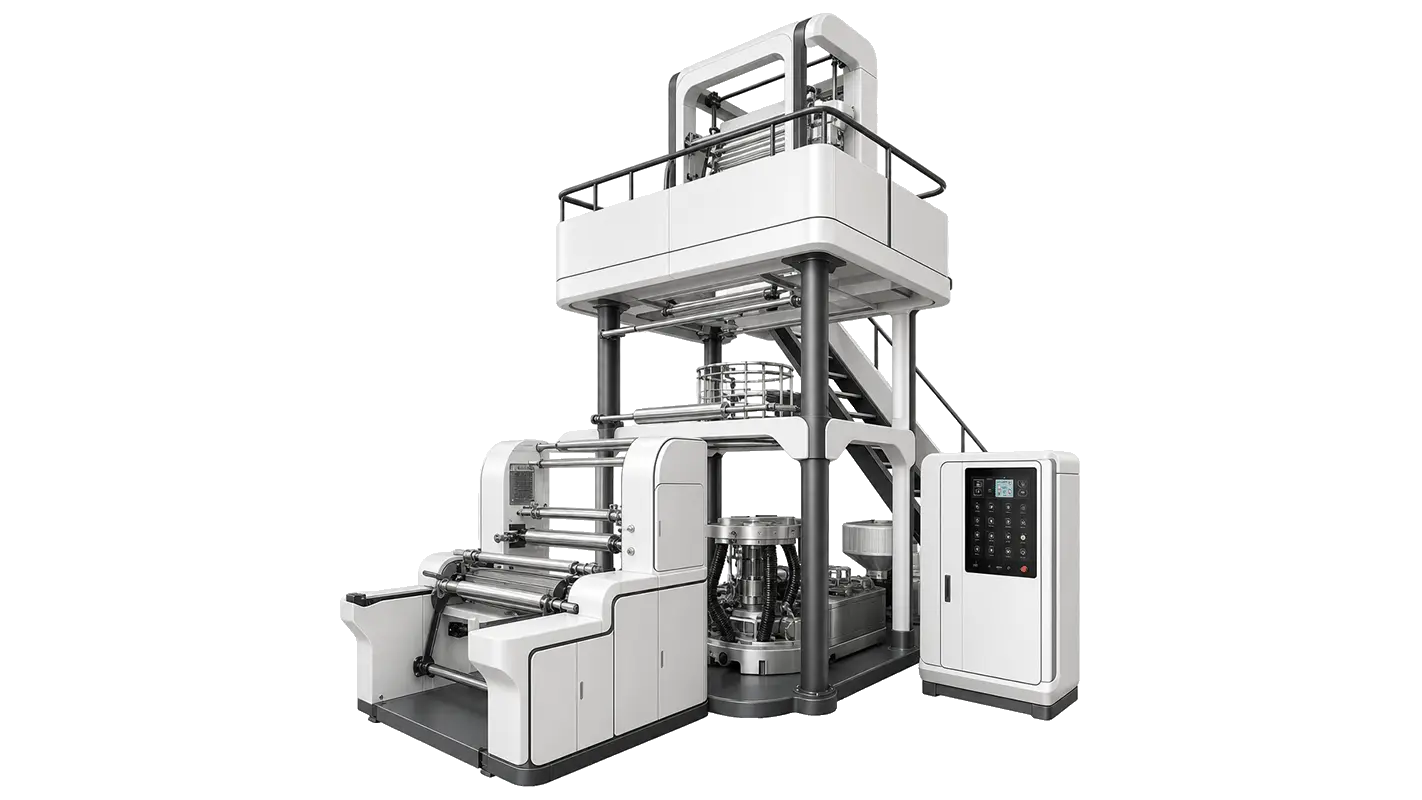
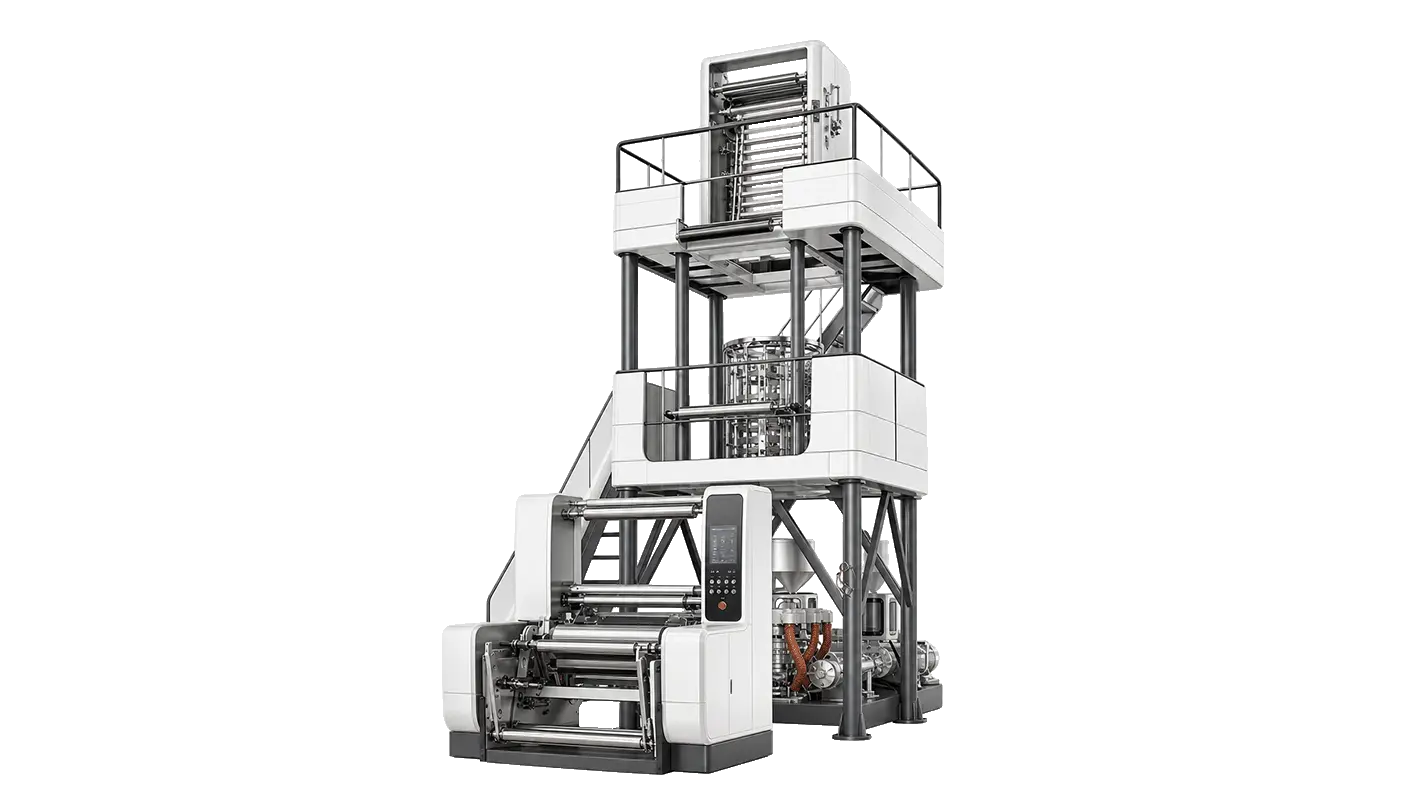
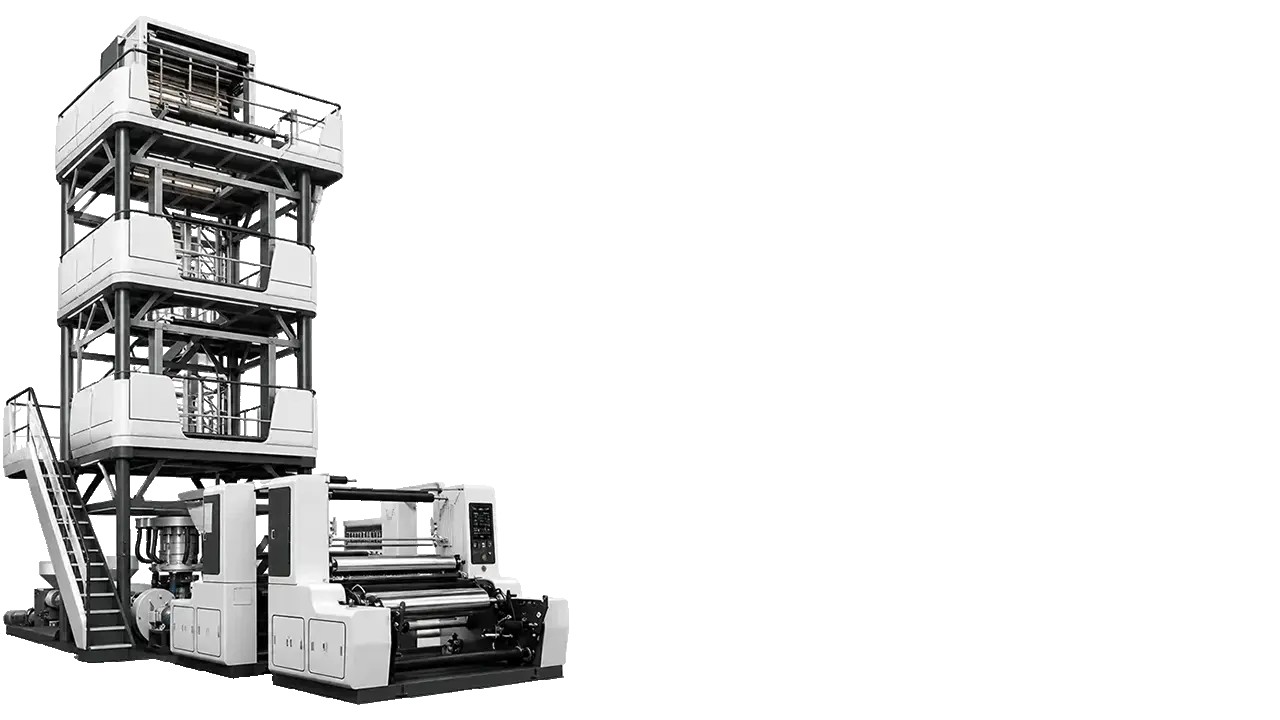
2-Layer AB Blown Film Machine
Two independent extruders. Two dedicated die channels.
Full material control on both layers — in a single production run.
Two independent extruders. Two dedicated die channels.
Full material control on both layers — in a single production run.
The AB configuration gives you two independently controlled material streams in a single film. Here is where that capability matters most.
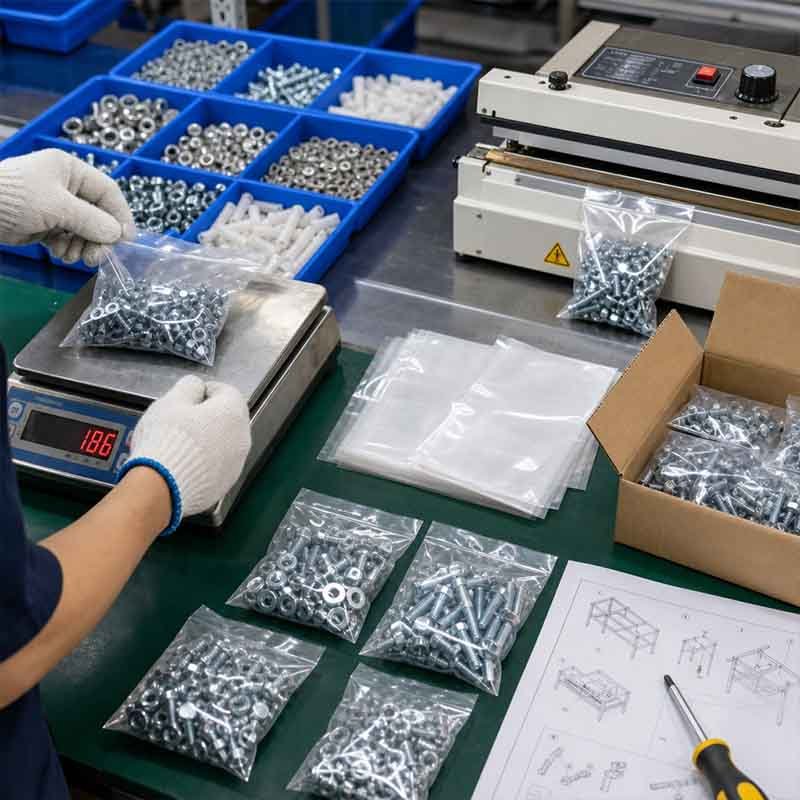
The AB structure's most commercially important application is post-consumer recycled (PCR) content isolation. Layer A uses virgin resin to deliver a clean, printable surface. Layer B carries the recycled content — fully enclosed within the film structure, with no surface contamination risk.
This allows factories to increase recycled content percentages while maintaining surface quality standards for printing and sealing — without blending the two materials into a single compromised layer.
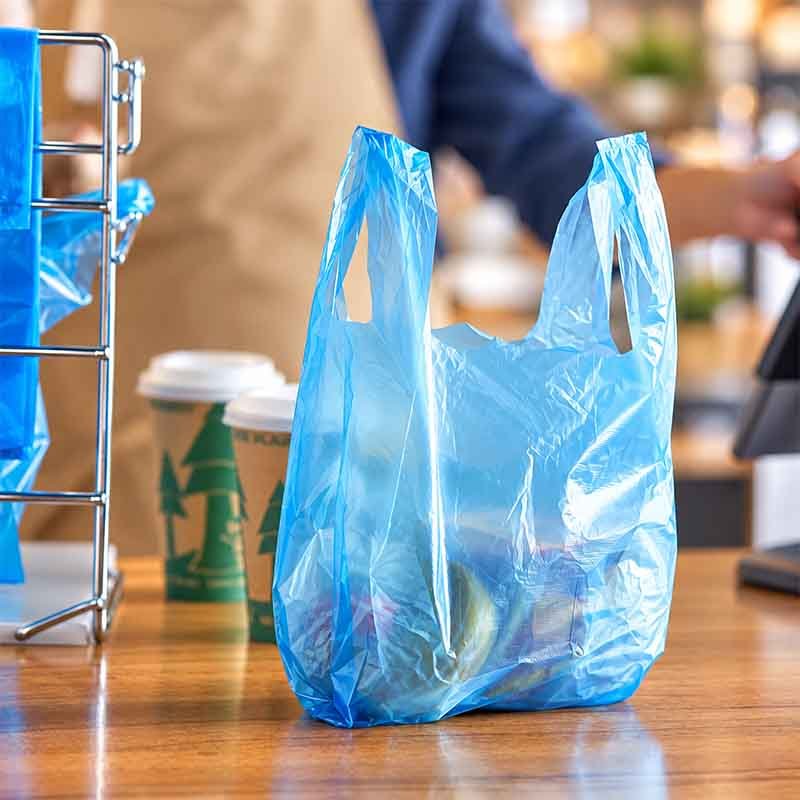
For HDPE shopping bag production, the AB configuration allows the two layers to carry different additive packages — for example, a colour masterbatch in one layer and a slip or anti-static additive in the other — without cross-contamination between formulas. Each layer's ratio and formula is adjusted independently at the extruder.
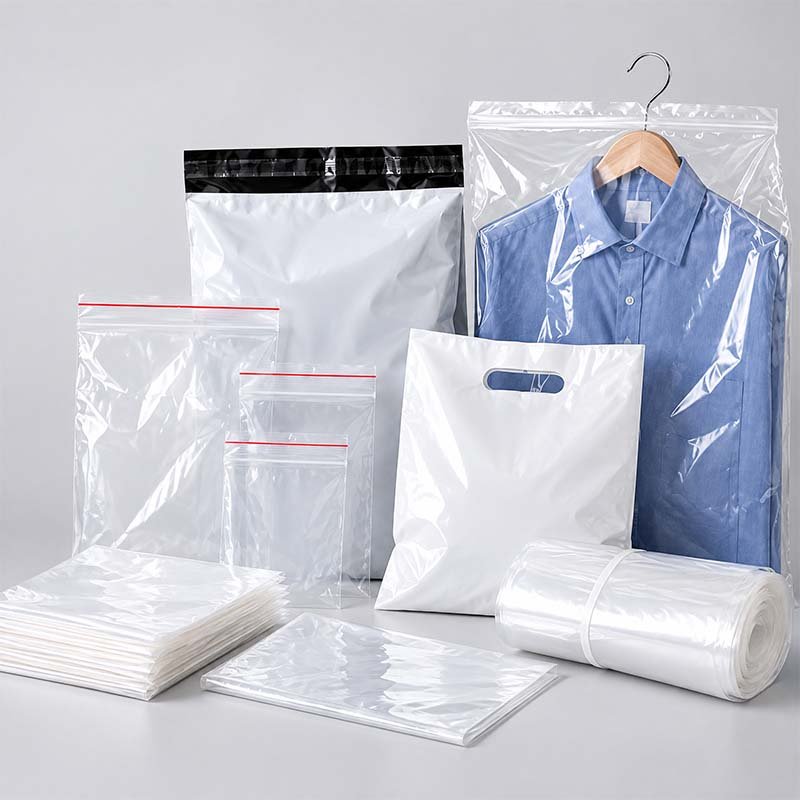
Two-layer co-extrusion film offers improved mechanical properties compared to single-layer film of the same total thickness — because each layer's resin can be selected for a specific function (e.g., stiffness vs. seal strength) rather than requiring a single resin to compromise across all properties.
The 2-layer AB blown film machine is the entry point into co-extrusion film production. It produces a film where Layer A and Layer B are always different materials, additives or formulas — because each extruder feeds its own dedicated die channel independently. This is the defining characteristic that separates AB from single-layer production: material differentiation between the two film faces, without blending.
Understanding the die head architecture explains why the AB machine gives you full independent control over both film faces.
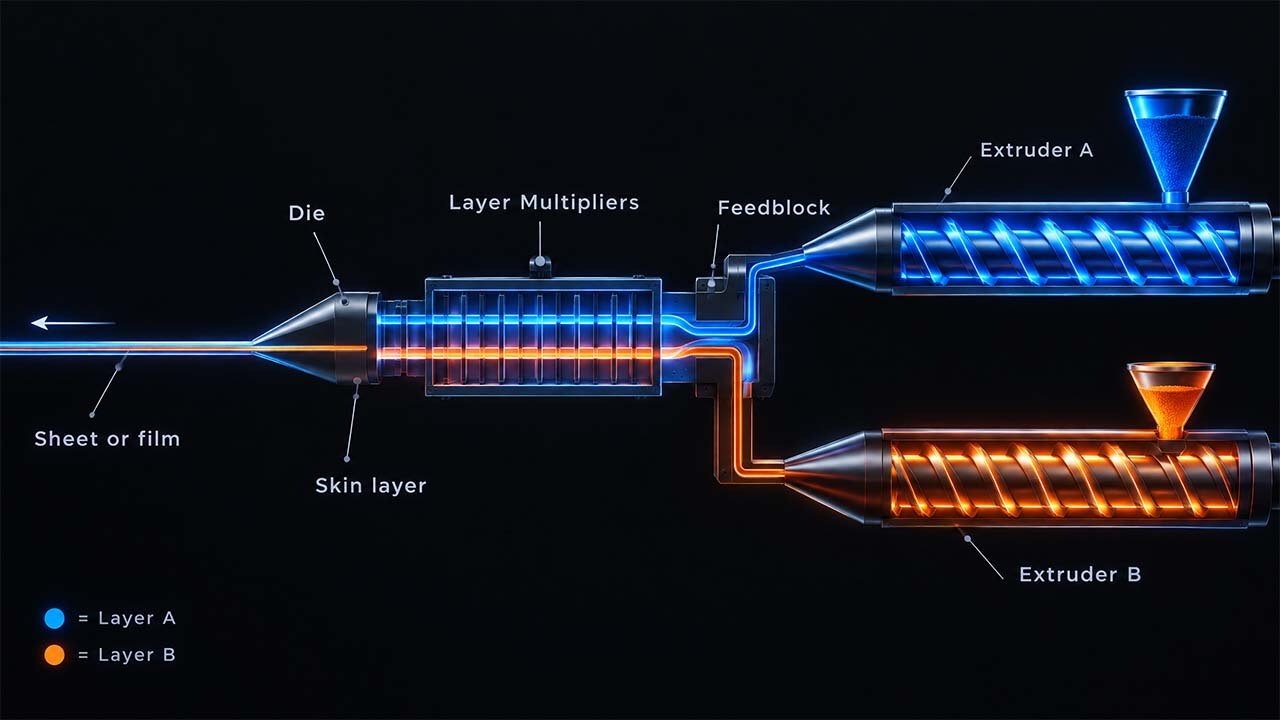
Diagram: AB two-channel die head — each extruder feeds one dedicated flow channel. No melt stream splitting. Layer A and Layer B are always independent.
In a 2-layer AB machine, each extruder feeds one dedicated channel in the die head. Extruder A's melt goes directly to Channel 1, forming Layer A. Extruder B's melt goes directly to Channel 2, forming Layer B. The two melt streams meet and bond inside the die head, exiting together as a single two-layer tube of film.
Because there is no melt stream splitting, the two layers are always independent — different materials, different formulas, different additive packages, different layer thickness ratios. Adjusting Extruder A's speed changes Layer A's thickness without affecting Layer B, and vice versa.
| Layer | Position | Typical Material | Typical Function | Why This Layer Is Needed |
|---|---|---|---|---|
| A | Outer / Surface | Virgin LDPE, HDPE, LLDPE, or mLLDPE | Surface quality, printability, seal initiation | Provides a clean, consistent surface for printing or heat-sealing. When PCR content is used in Layer B, Layer A acts as the quality face that meets the end-product specification. |
| B | Inner / Core | PCR blend, HDPE, LLDPE, or cost-optimised formula | Bulk, cost reduction, functional differentiation | Carries the cost-optimisation strategy — recycled content, lower-grade resin, or a different additive package — without affecting the surface layer's performance. In HDPE T-shirt bags, Layer B can carry colour masterbatch while Layer A carries slip additive. |
The practical problem this structure solves: in single-layer production, every additive, every resin grade and every cost decision affects the entire film uniformly. The AB structure breaks that constraint. You can optimise each face of the film independently — surface quality on one side, cost or function on the other — within a single production pass.
The ABA 3-layer machine uses the same two-extruder principle as the AB machine — but adds a third flow channel in the die head. Instead of Extruder A feeding one channel, the die head splits Extruder A's melt stream into two outer channels, wrapping Layer B on both sides. The result is a symmetric A / B / A film structure — still produced by only two extruders.
This means: if your application requires the inner layer to be fully enclosed on both sides by the same outer material — for example, to contain recycled content within a symmetric film structure for courier bags or shopping bags — the ABA configuration achieves this without adding a third extruder.
See the 3-Layer ABA/ABC Machine →Three model series covering LDPE high-pressure, HDPE low-pressure and biodegradable material applications. All output figures are reference values under standard operating conditions and vary by film width, thickness and material formula.
AB Double Screw LDPE — High-Pressure Blown Film Machine
Materials: LDPE, LLDPE, mLLDPE, PCR blends
| Model | Output (kg/h) | Motor (kW×2) | Screw Dia. | Die Head | Blower | Gearbox | Footprint L×W×H (m) |
|---|---|---|---|---|---|---|---|
| LQ-AB-700 | 85 | 15×2 | ⌀45×2 mm | 120 mm | 4 kW | 146×2 | 5×3.5×5.2 |
| LQ-AB-900 | 100 | 15×2 | ⌀50×2 mm | 150 mm | 5.5 kW | 173×2 | 5.5×4×5.2 |
| LQ-AB-1100 | 120 | 18.5×2 | ⌀55×2 mm | 200 mm | 5.5 kW | 173×2 | 5×4.5×6.2 |
| LQ-AB-1300 | 150 | 22×2 | ⌀60×2 mm | 280 mm | 7.5 kW | 180×2 | 6.5×5.5×7.2 |
| LQ-AB-1600 | 180 | 30×2 | ⌀65×2 mm | 350 mm | 7.5 kW | 200×2 | 7×6×8.5 |
| LQ-AB-1800 | 200 | 45×2 | ⌀65×2 mm | 350 mm | 11 kW | 225×2 | 7×6×8.5 |
| LQ-AB-2200 | 260 | 37×2 | ⌀75×2 mm | 450 mm | 11 kW | 225×2 | 7×6.5×9.5 |
| LQ-AB-2500 | 280 | 45×2 | ⌀80×2 mm | 500 mm | 11 kW | 275×2 | 7×6.5×9.5 |
| LQ-AB-3200 | 300 | 55×2 | ⌀80×2 mm | 600 mm | 11 kW | 275×2 | 7×6.5×9.5 |
AB Double Screw HDPE — Low-Pressure Blown Film Machine
Materials: HDPE, LLDPE
| Model | Output (kg/h) | Motor (kW×2) | Screw Dia. | Die Head | Blower | Gearbox | Footprint L×W×H (m) |
|---|---|---|---|---|---|---|---|
| LQ-AB-700 | 70 | 15×2 | ⌀45×2 mm | 60 mm | 4 kW | 146×2 | 5×3.5×5.2 |
| LQ-AB-900 | 85 | 15×2 | ⌀50×2 mm | 80 mm | 5.5 kW | 173×2 | 5.5×4×5.2 |
| LQ-AB-1100 | 100 | 18.5×2 | ⌀55×2 mm | 100 mm | 5.5 kW | 173×2 | 5×4.5×6.2 |
| LQ-AB-1300 | 120 | 22×2 | ⌀55×2 mm | 120 mm | 7.5 kW | 180×2 | 6.5×5.5×7.2 |
| LQ-AB-1600 | 150 | 30×2 | ⌀65×2 mm | 150 mm | 7.5 kW | 200×2 | 7×6×8.5 |
| LQ-AB-1800 | 200 | 45×2 | ⌀65×2 mm | 180 mm | 11 kW | 225×2 | 7×6×8.5 |
| LQ-AB-2200 | 220 | 37×2 | ⌀75×2 mm | 200 mm | 11 kW | 225×2 | 7×6.5×9.5 |
| LQ-AB-2500 | 260 | 45×2 | ⌀80×2 mm | 250 mm | 11 kW | 275×2 | 7×6.5×9.5 |
| LQ-AB-3200 | 280 | 55×2 | ⌀80×2 mm | 300 mm | 11 kW | 275×2 | 7×6.5×9.5 |
AB Series — Biodegradable / Compostable Material Configuration
Materials: LDPE, LLDPE, PBAT+PLA blends
Note: This series uses a dedicated screw design and tighter temperature
management for PLA/PBAT processing. It is not a standard PE
configuration. See the
Biodegradable Film Machine page
for full technical details on PLA/PBAT processing requirements.
| Model | Output (kg/h) | Motor (kW×2) | Screw Dia. | Die Head | Blower | Gearbox | Footprint L×W×H (m) |
|---|---|---|---|---|---|---|---|
| LQ-AB-1300 | 180 | 22×2 | ⌀60×2 mm | 250 mm | 7.5 kW | 180×2 | 6×4.5×6.8 |
| LQ-AB-1800 | 200 | 30×2 | ⌀65×2 mm | 350 mm | 7.5 kW | 200×2 | 6×5.5×7.2 |
| LQ-AB-2200 | 260 | 37×2 | ⌀70×2 mm | 450 mm | 11 kW | 200×2 | 7×6.5×9.5 |
Price varies depending on screw diameter, die head size, motor specification, optional upgrades and destination port. Contact LayerQuestar's engineers for a configuration-specific quotation.
Get a Configuration-Specific QuoteThe AB configuration suits a specific buyer profile. Here is how to assess whether it matches your production goals.
If you are currently running a single-layer machine and want to add material differentiation — PCR content, dual-formula production, or two-face functional film — the AB machine is the lowest-cost entry into co-extrusion. It adds one extruder and a two-channel die head to your existing production logic.
Factories responding to recycled content mandates or customer sustainability requirements. The AB structure lets you incorporate PCR material in Layer B while maintaining a virgin-resin surface in Layer A — meeting both performance and sustainability targets simultaneously.
T-shirt bag and shopping bag factories that need to run different additive packages (colour, slip, anti-static, anti-block) in separate layers without blending. The AB structure eliminates formula compromise in a single-layer blend.
You do not need to order a full line. A single AB blown film machine can be purchased as a standalone unit.
The LQ-AB-700 series is the smallest available AB configuration — suitable for market entry or product development runs before scaling up.
Every machine runs a 72-hour continuous production test before shipment. You or your representative are welcome to attend the FAT at LayerQuestar's factory in Zhejiang.
Use this table to assess which configuration matches your production requirements and budget stage.
| Factor | Mono-Layer | 2-Layer AB ← You Are Here | 3-Layer ABA |
|---|---|---|---|
| Extruders | 1 | 2 | 2 |
| Film Layers | 1 | 2 (A / B) | 3 (A / B / A) |
| Layer Independence | Single material only | A ≠ B — fully independent | A = A (same extruder) · B independent |
| PCR Content | Blended into single layer | B layer isolated, A layer clean | B layer fully enclosed by A on both sides |
| Surface Symmetry | Both faces identical | Two faces can differ | Both outer faces identical (same extruder) |
| Machine Cost | Lowest | Mid — one additional extruder vs. mono | Similar to AB — die head upgrade, same extruder count |
| Typical Applications | Shopping bags, garbage bags, mulch film | PCR film, dual-formula bags, general co-ex packaging | Courier bags, lamination film, stretch film |
Note on ABA: Both the AB and ABA machines use 2 extruders. The difference is the die head: ABA's die head splits Extruder A's melt stream into two outer channels, producing a symmetric 3-layer A/B/A film. If you need both outer faces of the film to be the same material, ABA achieves this without a third extruder.
Operator requirements, material changeover and downstream compatibility for day-to-day production planning.
A 2-layer AB blown film machine typically requires 2 operators per shift — one primary operator managing the extrusion and die head parameters, and one assistant handling film take-up, roll changes and quality checks. Operators familiar with single-layer blown film production can transition to AB operation with focused training on the two-extruder parameter relationship and layer ratio adjustment.
Because each extruder is controlled independently, operators need to understand how adjusting one extruder's speed affects the layer ratio — not just the total output. LayerQuestar's control cabinet is fully English-labeled, and commissioning engineers provide hands-on operator training during installation.
Layer A and Layer B can be changed independently. If you are switching Layer B from one PCR grade to another, Extruder B is purged while Extruder A continues running — reducing changeover time compared to a full-line material change on a single-layer machine.
Layer thickness ratio (A:B) is adjusted by changing the relative speed of the two extruders. This allows the same machine to produce films with different A:B ratios — for example, shifting from a 30:70 PCR-heavy structure to a 50:50 balanced structure — without mechanical adjustment, only parameter changes at the control panel.
Note on PLA/PBAT: If you intend to run biodegradable PBAT+PLA blends, the Biodegradable Series configuration is required. Standard PE screws are not suitable for PLA/PBAT processing. See Biodegradable Film Machine →
Film rolls produced by the AB machine are compatible with standard bag making machines and flexographic printers. Roll core diameter, maximum roll diameter and roll weight specifications vary by model — confirm with LayerQuestar's engineers when planning your downstream line.
Key variables affecting running cost on an AB machine:
The five hardware decisions that determine how a blown film machine performs over a 10-year service life — and how LayerQuestar specifies each one.
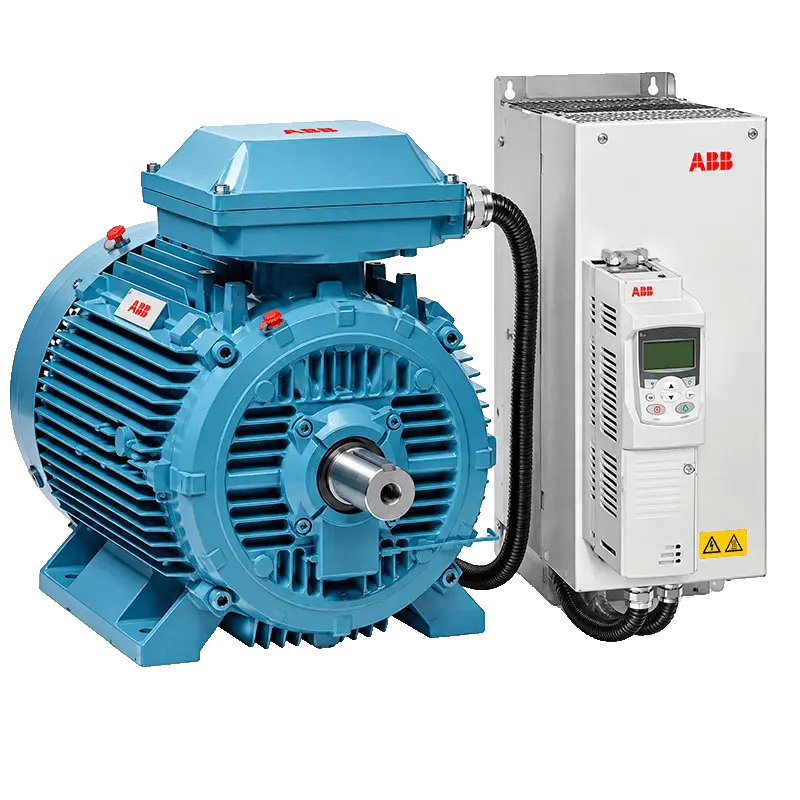
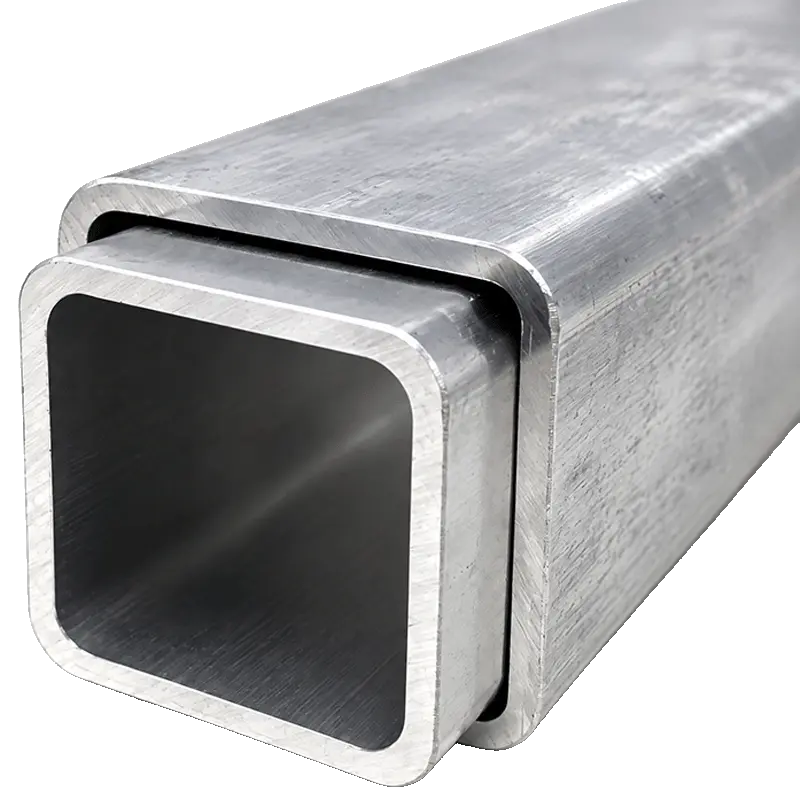
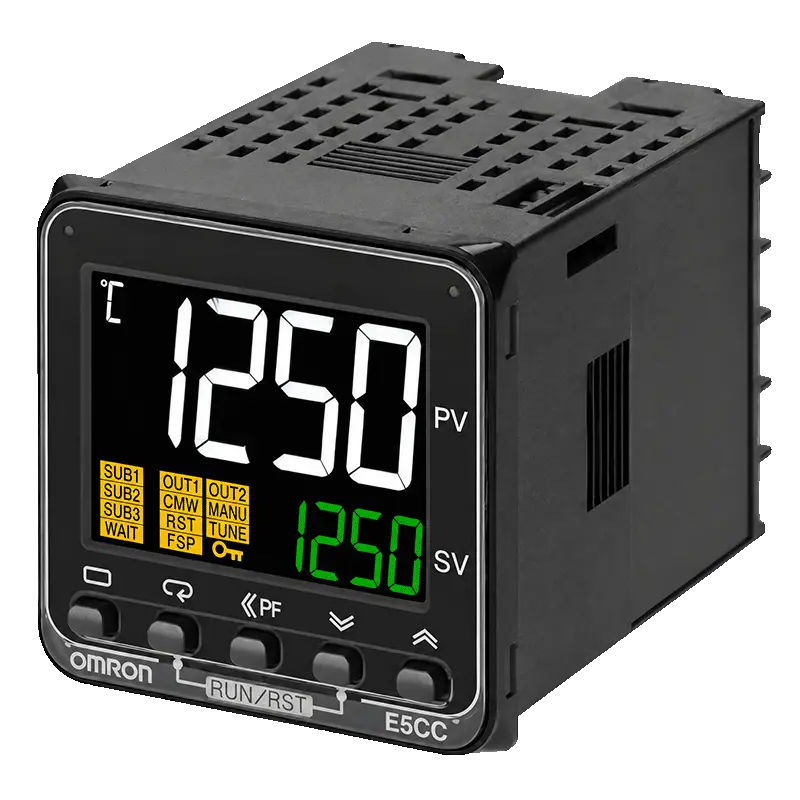
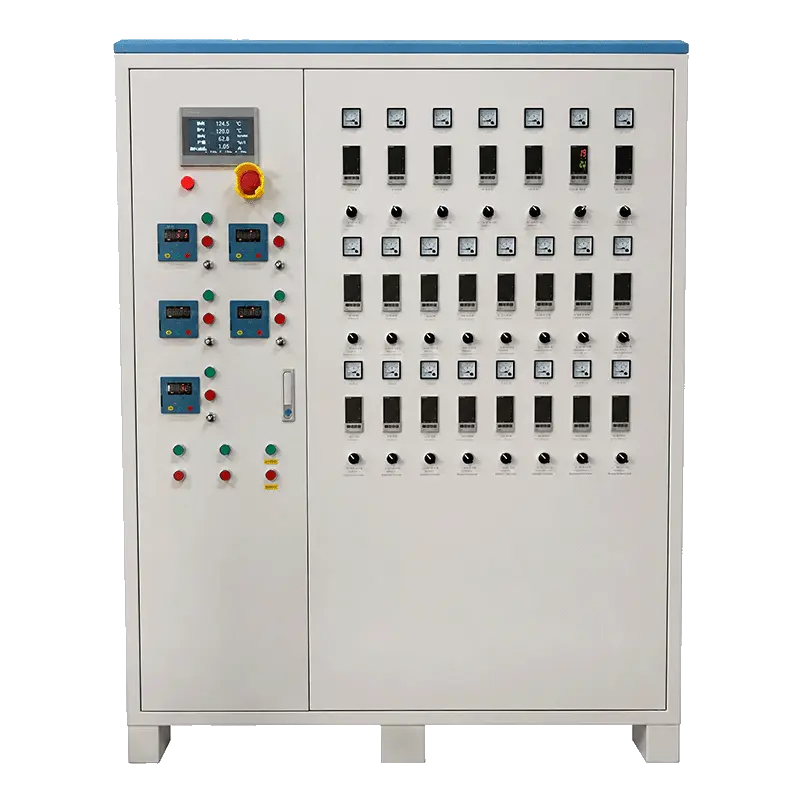
Before any machine leaves LayerQuestar's factory, it runs a continuous 72-hour production test under load — with both extruders running simultaneously. Output consistency, layer ratio stability, temperature control and all mechanical systems are verified during this run. Buyers are welcome to attend in person or send a representative.
Learn about the FAT process →CE marking available. Confirm applicable directives (Machinery Directive, Low Voltage Directive) with LayerQuestar's team for your destination market.
Certified National High-Tech Enterprise. 123+ patents granted across blown film, bag making and recycling machinery product lines.
Recognised as a Provincial Innovative SME by Zhejiang provincial authority.
Warranty coverage, spare parts supply and ongoing technical support after the machine ships.
Consumable wear parts — including screen filters, heating elements, seals and thermocouple sensors — are covered for 1 year under standard operating conditions. Replacement parts are available from LayerQuestar's spare parts supply programme after the warranty period.
These parts are consumed in normal operation and should be stocked on-site. LayerQuestar can supply all items below. Note: the AB machine has two extruder assemblies — stock quantities accordingly.
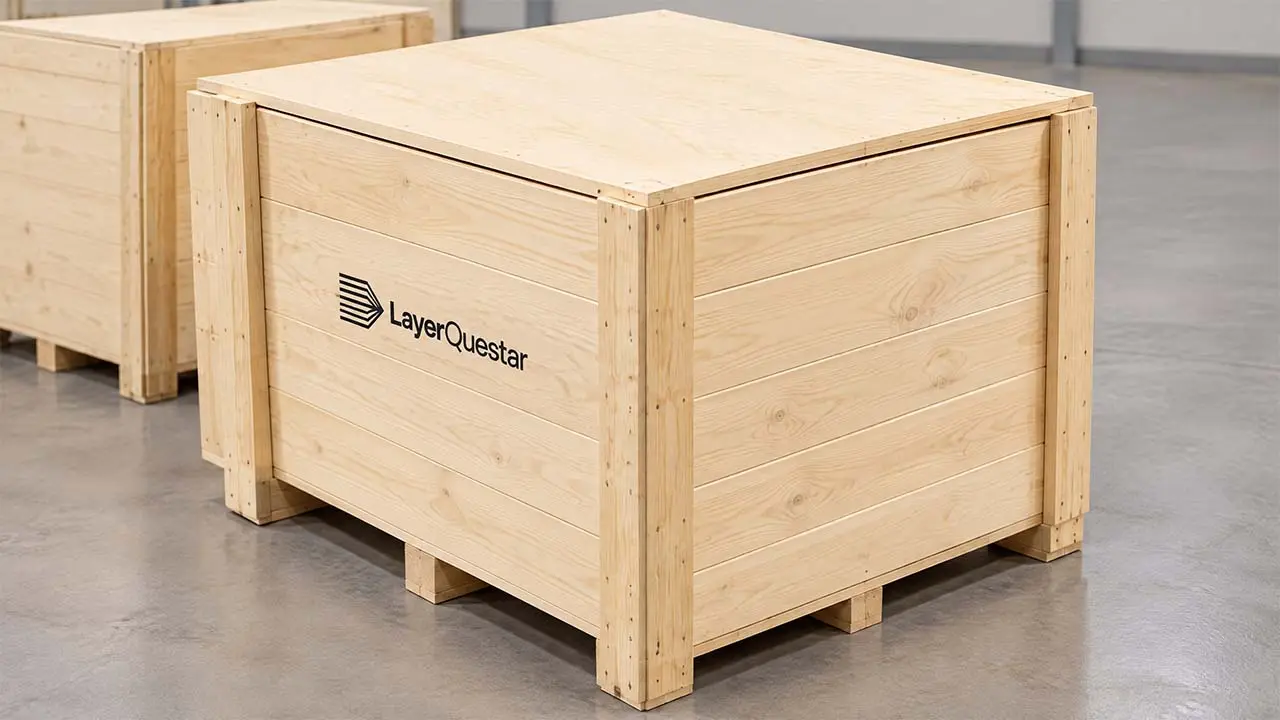
Every new AB machine ships with a standard starter kit containing:
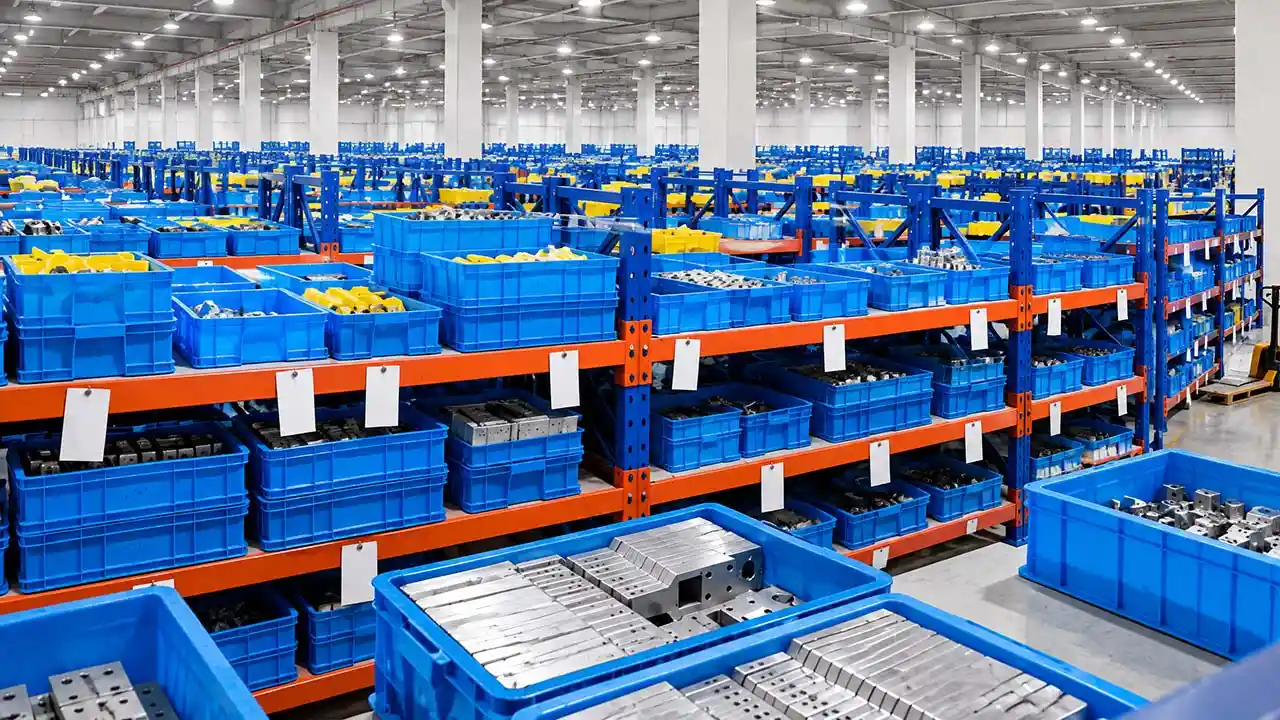
Replacement parts can be ordered directly from LayerQuestar. Standard replacement parts are dispatched within 3 days of order confirmation.
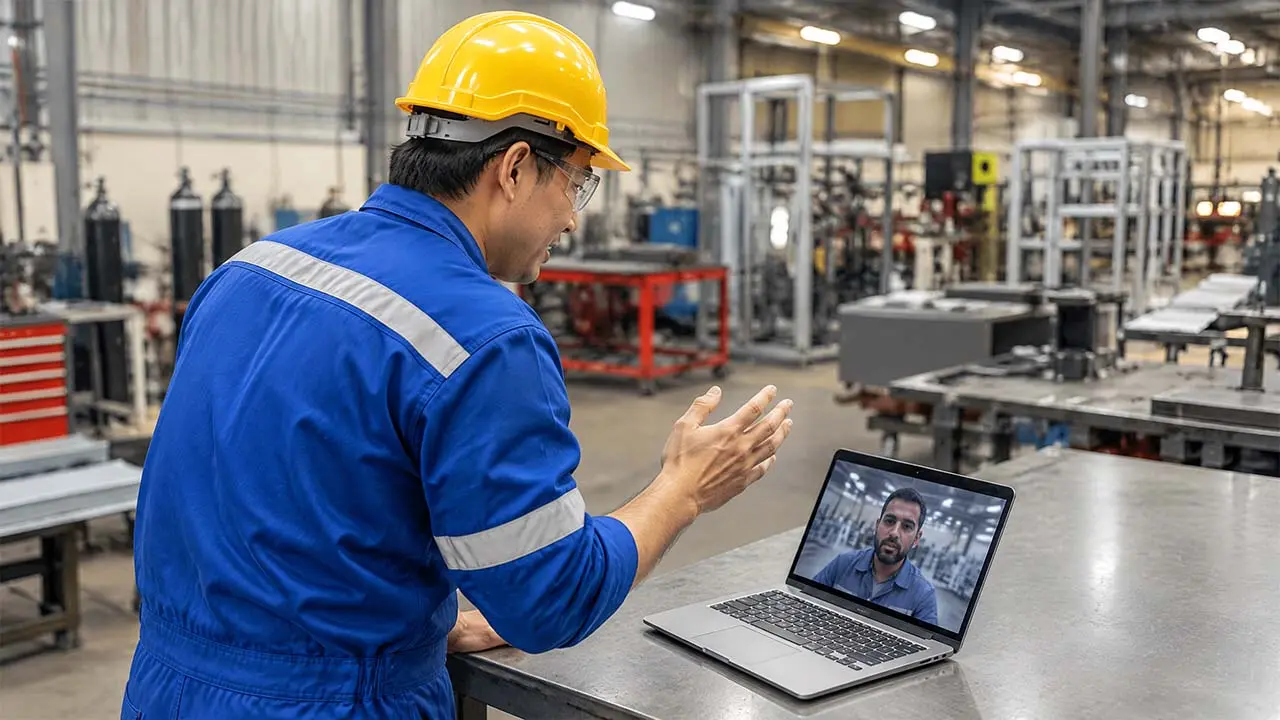
LayerQuestar's engineering team provides remote troubleshooting via video call, email and WhatsApp. On-site service visits are available for major commissioning or fault diagnosis.
Common questions about the 2-layer AB blown film machine — answered directly.
Both machines use 2 extruders, but the die head architecture is different. On the AB machine, each extruder feeds one dedicated die channel — Extruder A produces Layer A, Extruder B produces Layer B. The result is a 2-layer film where the two faces are always different materials.
On the ABA machine, the die head splits Extruder A's melt stream into two outer channels, wrapping Layer B on both sides. The result is a 3-layer A/B/A film — with both outer layers coming from the same extruder, so they are always the same material. If you need both outer faces to be identical (for example, to fully enclose a PCR core layer on both sides), ABA achieves this without a third extruder.
Yes. Because each extruder feeds its own dedicated die channel independently, Layer A and Layer B can use entirely different resin grades, different additive packages, or different formulas — with no cross-contamination between them. Common combinations include virgin LDPE in Layer A with a PCR blend in Layer B, or HDPE with colour masterbatch in one layer and slip additive in the other.
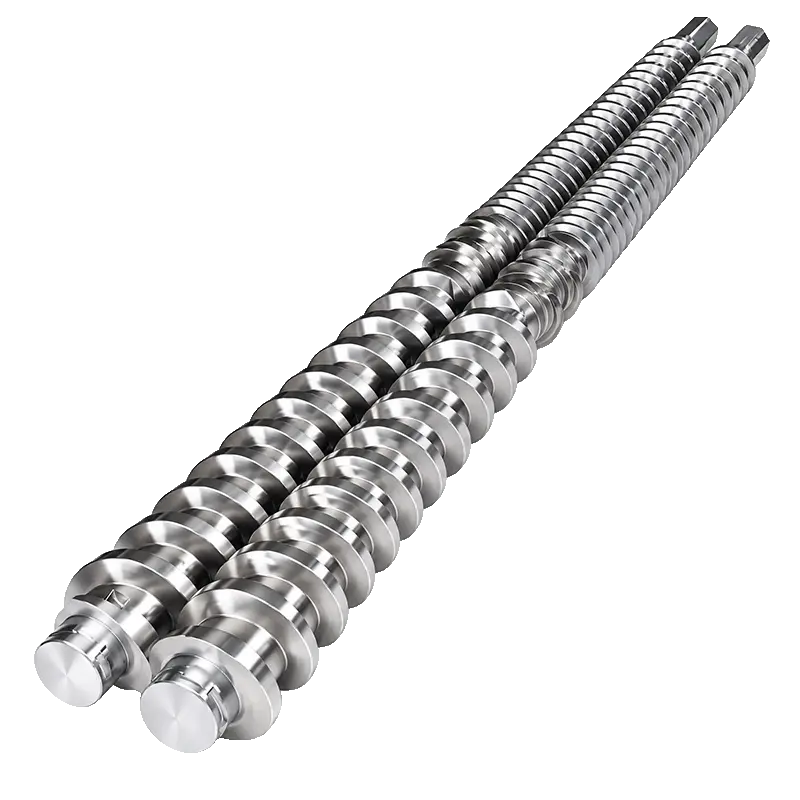
Yes — PCR content isolation is one of the primary applications for the AB configuration. Layer B carries the recycled content while Layer A provides a clean virgin-resin surface for printing and sealing. The WC bi-metallic screw (HRC 59–65) on both extruders is specified to handle the higher abrasion associated with PCR blends and high-filler masterbatch.
Yes. The A:B layer thickness ratio is controlled by adjusting the relative speed of the two extruders at the control panel — no mechanical adjustment is required. This allows you to shift between different A:B ratios (for example, 30:70 for a PCR-heavy structure vs. 50:50 for a balanced structure) within the same production run or between jobs.
Technically the machine requires both extruders to be running to maintain stable die head pressure and film bubble formation. The AB machine is designed as a co-extrusion system — it is not intended to operate as a single-layer machine. If you need single-layer production, the mono-layer machine is the correct configuration.
Yes. A single AB blown film machine can be purchased as a standalone unit. The smallest available configuration is the LQ-AB-700 series (⌀45×2mm screws, 700mm film width). This is suitable for market entry, product development or small-batch production before scaling up to a larger model.
Not on the standard LDPE or HDPE configuration. PLA/PBAT blends require a dedicated screw design, tighter temperature management and specific die head surface treatment due to PLA's narrow processing window and heat sensitivity. LayerQuestar offers a dedicated Biodegradable Series AB configuration for this application — see the Biodegradable Film Machine page for full technical details.
Footprint dimensions for each model are listed in the specification table above (L×W×H in metres). Allow clearance on all sides for operator access, roll handling and maintenance. Minimum ceiling height varies by model series and film width — contact LayerQuestar's engineers for a layout drawing specific to your selected model.
Every machine undergoes a 72-hour continuous factory run test before shipment. On-site commissioning support is available — LayerQuestar's engineers can travel to your factory for installation, line setup and operator training.
Standard configuration is 380V / 50Hz. 440V / 60Hz is available for markets including the Americas and parts of Asia. Confirm your local power supply specification when requesting a configuration proposal.
Tell LayerQuestar's engineers your target film width, material and output requirement. We will recommend the right model, confirm the configuration and provide a detailed proposal — including layout drawing and lead time.
From Recycling to Finished Bags — One Supplier. One Line. One Responsibility.
Leave your contact and we will send the spec sheet download link instantly.
Click the button below to download the spec sheet.
Download Machine Specs (PDF)Download started. Please check your browser download list or Downloads folder. If you do not see the file, please email info@layerquestar.com and we will send it to you directly.