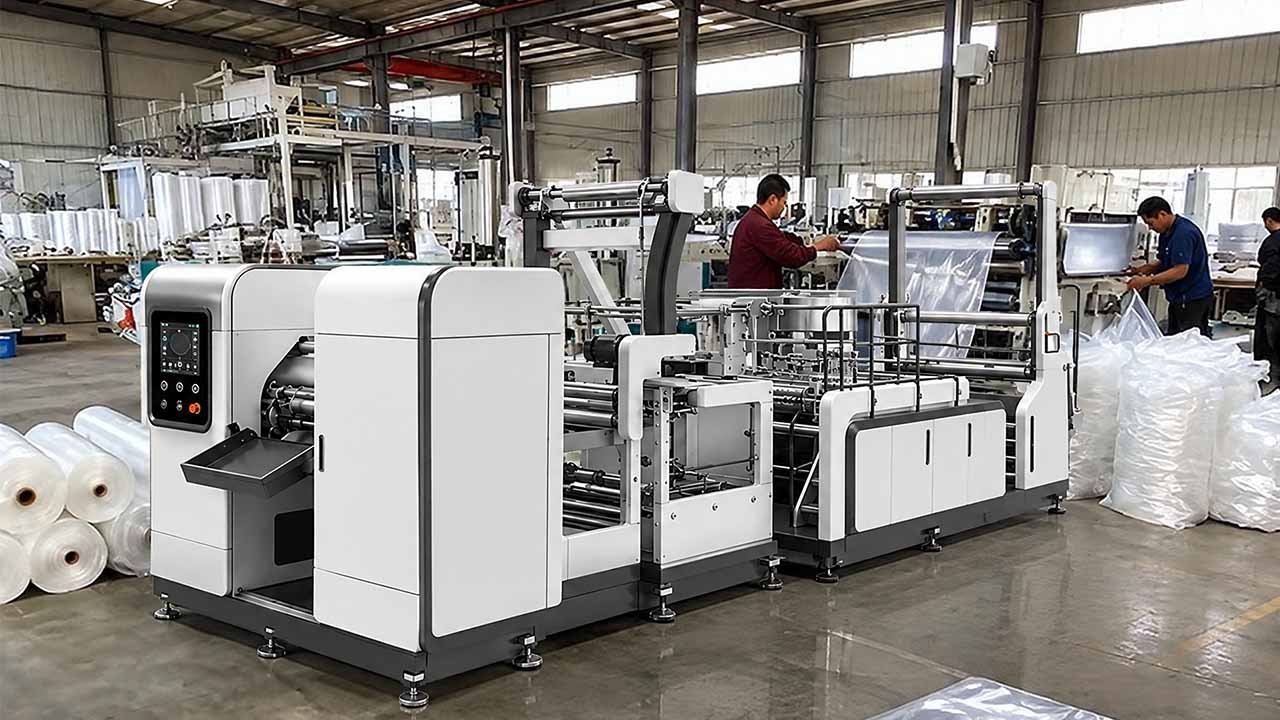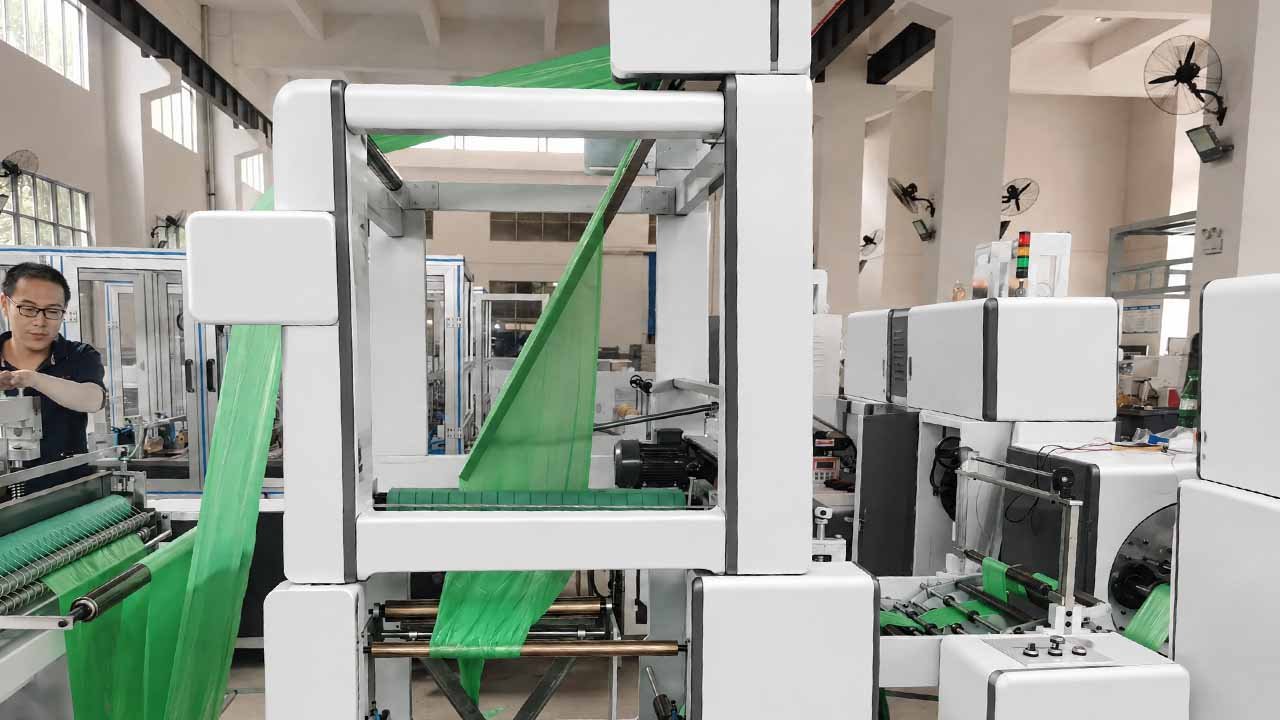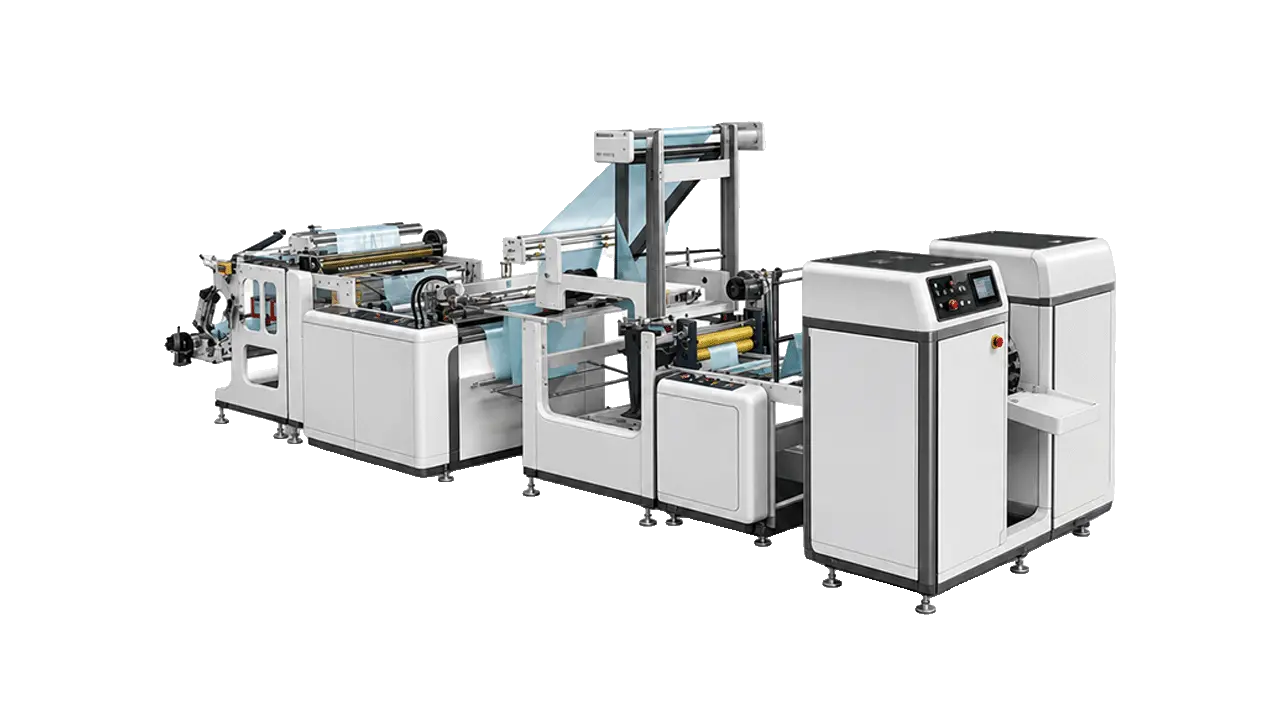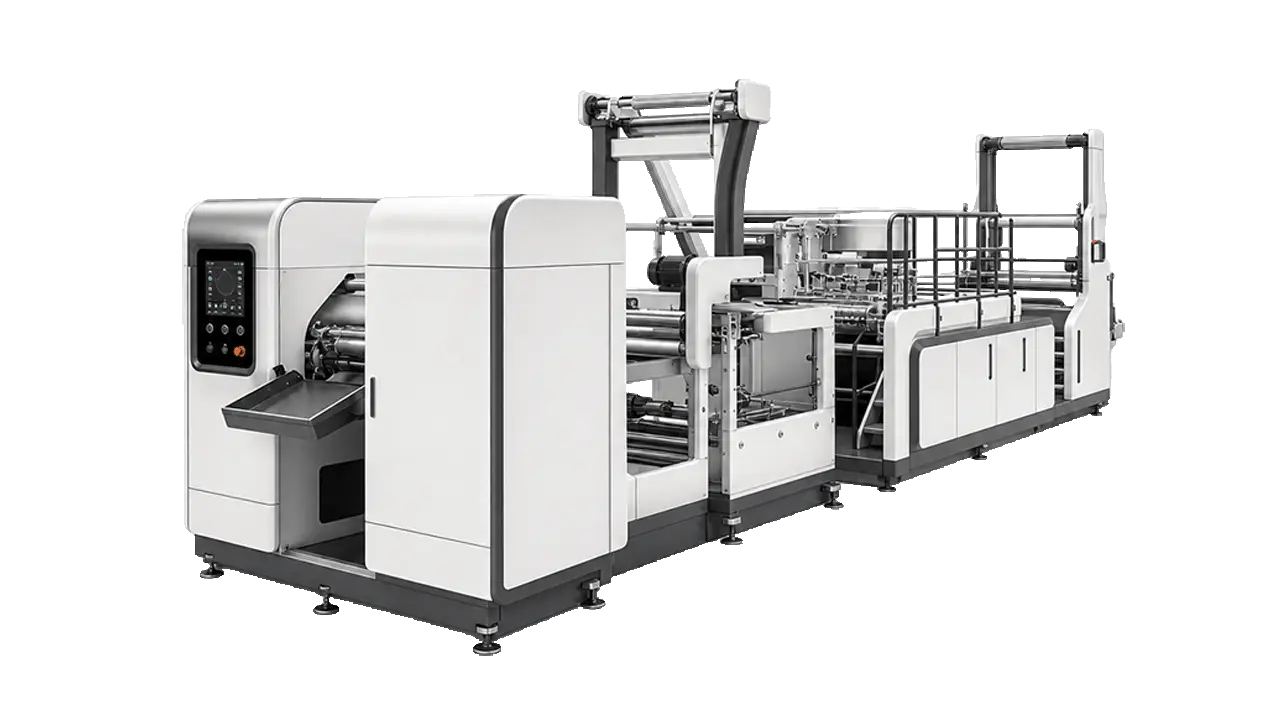
LayerQuestar LQ-DG series drawstring garbage bag making machine in production
Bag Making Machines

Drawstring Garbage Bag
Making Machine

Fully automatic flat-tape drawstring insertion, heat-seal and coreless roll winding — from PE or PP film roll to retail-ready garbage bags on rolls, in one continuous pass. LQ-DG-800 & LQ-DG-1000.

50–160 pcs / min
PE & PP Flat Tape Compatible
2 Models Available
72 hr Factory Run Test
Applications

What Does a Drawstring Garbage Bag Machine Produce?

From household kitchen liners to large commercial waste bags — the LQ-DG series handles the full range of drawstring roll bag formats.

LayerQuestar's LQ-DG series drawstring garbage bag making machine is designed to automatically produce continuous-rolled garbage bags with an integrated flat-tape drawstring closure. The machine threads a PE or PP flat tape through a folded hem channel at the bag opening, heat-seals the tape in place, and winds the finished bags onto coreless or cored rolls — all in a single uninterrupted production pass. Output ranges from 50 to 160 bags per minute depending on bag size and film thickness, making it suitable for both retail private-label and commercial waste-management supply chains.

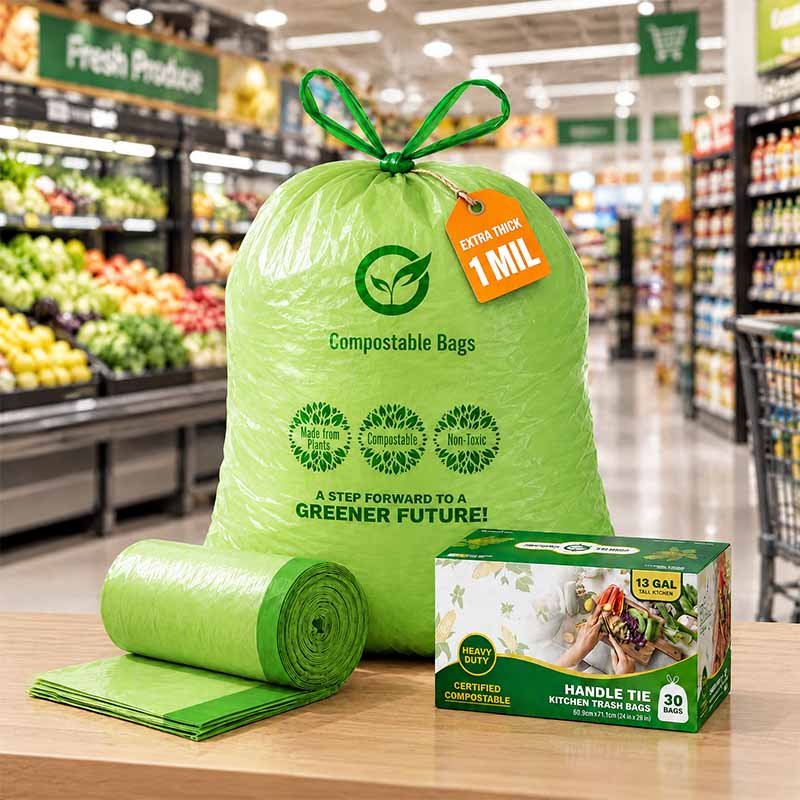
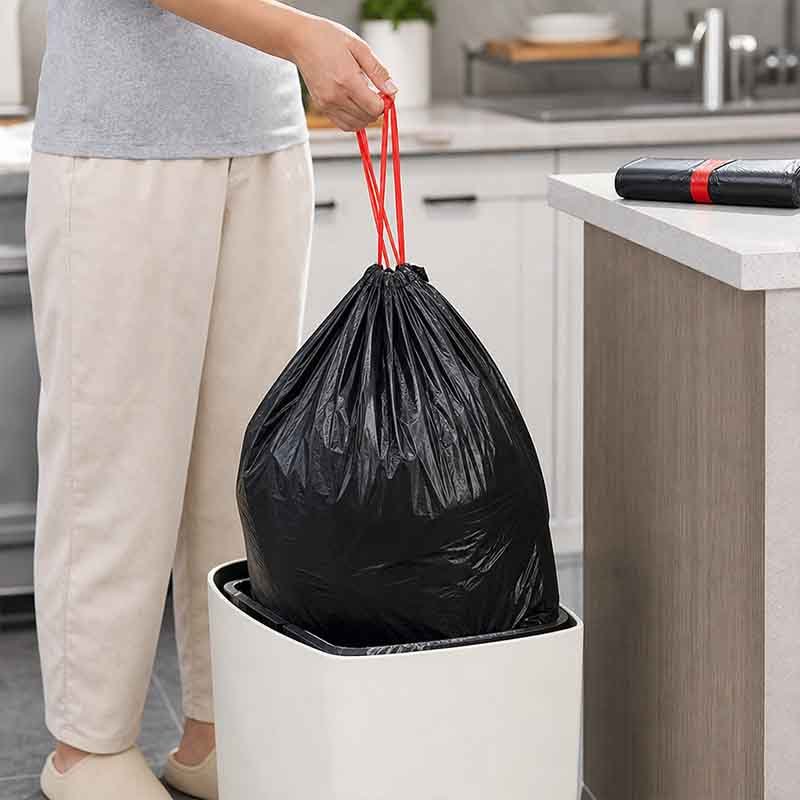
Household kitchen drawstring garbage bags on roll produced by LQ-DG-800
Primary

Household Kitchen & Bathroom Bin Liners

The most common application globally. HDPE film at 7–20 µm for economy-grade products; LDPE at 20–50 µm for premium soft-touch bags. Typical roll format: 15–30 bags per roll. LQ-DG-800 is the standard choice for this format.

Supermarket private-label drawstring garbage bag rolls for retail
Primary

Supermarket & Retail Private-Label Rolls

Consistent roll diameter, precise bag count per roll and clean perforation lines are critical for retail shelf presentation. The LQ-DG series supports coreless winding and automatic roll-count cutting for retail-ready output.

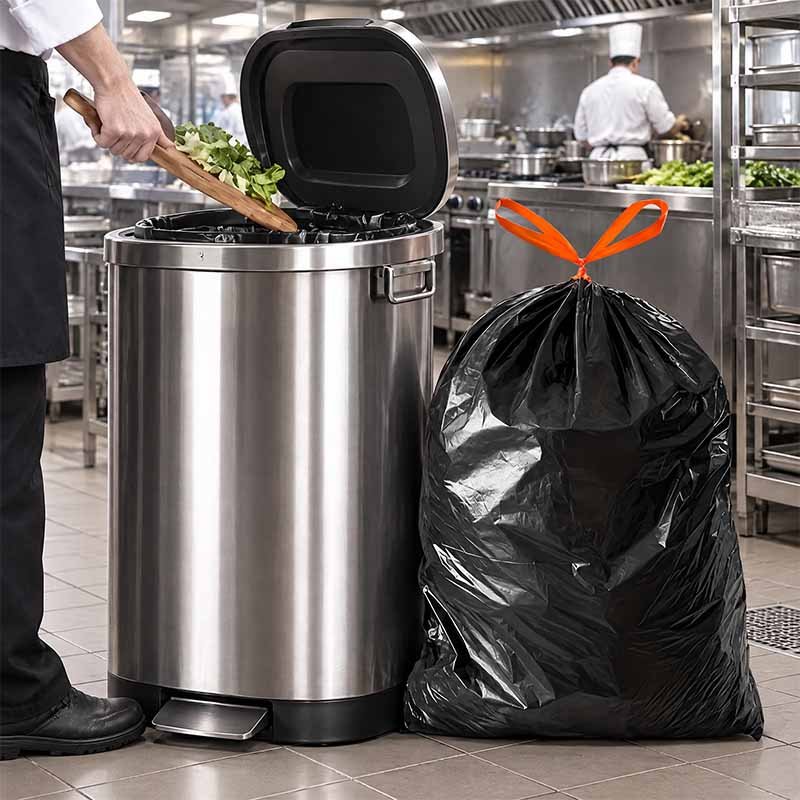
Large commercial and hotel waste collection drawstring bags
Secondary

Commercial & Institutional Waste Bags

Hotels, offices, restaurants and municipal waste contractors require larger-format bags (60–120 litre bin liners). The LQ-DG-1000 covers bag widths up to 900 mm for this segment.

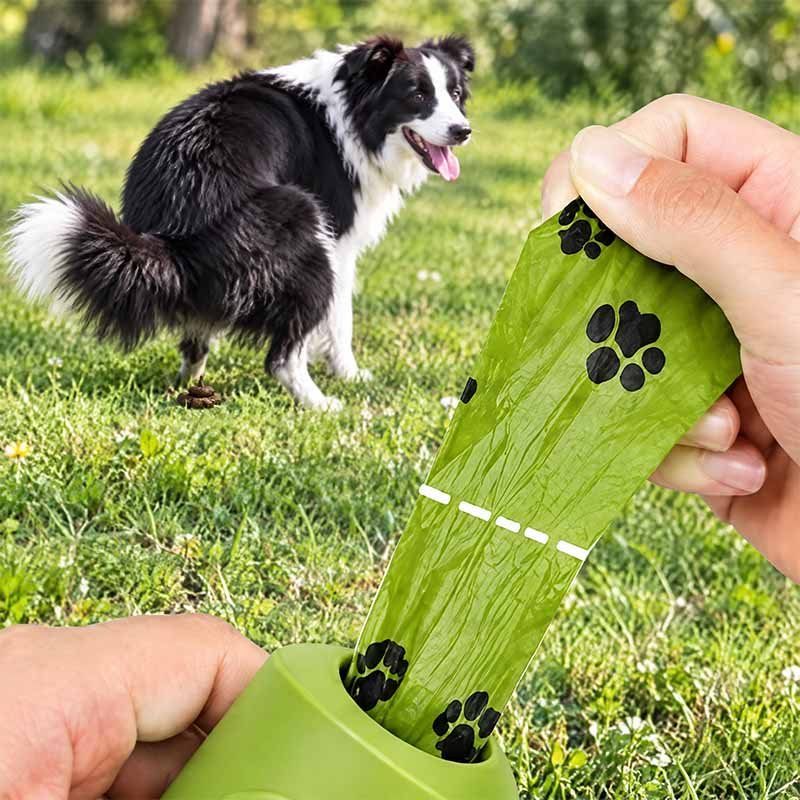
Pet waste drawstring bags on roll — compact format for dispensers
Secondary

Pet Waste & Compact Dispenser Bags

Short bag length (minimum 300 mm on LQ-DG-800), thin HDPE film and high bags-per-roll count make the LQ-DG-800 well-suited for compact dispenser-format pet waste bags sold in veterinary and pet supply channels.

Technical Architecture

How the Drawstring System Works

Understanding the flat-tape insertion process helps you evaluate machine reliability, maintenance requirements and end-product quality.

Bag Opening Cross-Section — Flat Tape in Hem Channel

PE / LDPE Film Body Hem Channel Hem Channel Flat Draw Tape — PE / PP · 18–25 mm wide · 30–60 µm thick Heat-Tack Seal Point Heat-Tack Seal Point Bottom Heat Seal Perf.

Production Process — Step by Step

Step Process Stage What Happens Key Parameter
01 Film Unwind PE or PP blown film roll is loaded onto the unwind stand. Automatic tension control maintains consistent film feed speed regardless of roll diameter change. Tension: auto-compensated
02 Hem Fold Formation The top edge of the film is folded over by a forming guide to create the hem channel — the tunnel through which the flat tape will be threaded. Fold width is adjustable to match tape width. Fold width: 20–30 mm
03 Flat Tape Insertion A flat PE or PP draw tape (18–25 mm wide, 30–60 µm thick) is fed from a tape spool and guided into the folded hem channel. The tape runs continuously through the channel along the full bag width. Tape width: 18–25 mm
04 Heat-Tack Sealing Two heat-tack seal bars bond the tape to the hem channel at fixed points near each side edge of the bag. This prevents the tape from sliding out of the channel in the finished product. Seal temp: controlled via PLC
05 Bottom Seal & Cut A heated seal bar creates the bottom seal of each bag. A cutting blade separates individual bags. Seal bar temperature and dwell time are set via the HMI touchscreen. Speed: 50–160 pcs/min
06 Perforation A perforation unit scores the film between bags to allow clean tear-off by the end user. Perforation pitch is set to match bag length. Pitch: matches bag length
07 Roll Winding Finished bags are wound onto coreless or cored rolls. Automatic bag-count detection triggers roll cut-off at the preset count. The rewinder indexes to a new core without stopping the line. Roll count: preset via HMI

Drawstring vs. Standard Seal — Which Closure Do You Need?

Criteria Flat Tape Drawstring Round Cord Drawstring Standard Bottom Seal (No Drawstring)
Closure mechanism Pull flat tape to cinch bag opening Pull round cord to cinch bag opening Tie bag neck manually
End-user experience Smooth, comfortable pull — no cutting into hands Comfortable but cord can twist or tangle Requires manual knotting — slower
Production complexity Moderate — flat tape feeds reliably, low jam risk Higher — round cord requires precise guide channels Lowest — no tape/cord system required
Tape / cord material PE or PP flat tape — 18–25 mm wide PE or PP round cord — 3–5 mm diameter N/A
Retail premium High — dominant format in supermarket retail globally Medium — common in some regional markets Low — commodity / economy segment
Typical market Global retail, private label, household Some European and Middle Eastern markets Industrial, institutional, bulk supply
LQ machine LQ-DG-800 / LQ-DG-1000 [NEEDS CLIENT VERIFICATION] LQ-GB Series →
Technical Specifications

LQ-DG-800 & LQ-DG-1000 — Full Specifications

Two models share the same footprint and power rating. The choice is determined entirely by your target bag size range.

LayerQuestar LQ-DG series drawstring garbage bag making machine — exterior view showing tape feed unit and rewinder
Parameter LQ-DG-800 Specification Notes
Bag Dimensions
Bag Width / Depth 400–700 mm (15.7″–27.6″) Suitable for kitchen and bathroom bin liners
Bag Length 300–1,000 mm (11.8″–39.4″) Minimum 300 mm enables compact dispenser-format bags
Production Performance
Production Speed 50–160 pcs / min Varies by bag size and film thickness
Film Thickness — HDPE 0.007–0.02 mm (7–20 µm) Economy-grade, crinkle-texture bags
Film Thickness — LDPE 0.02–0.05 mm (20–50 µm) Premium soft-touch, higher tear strength
Drawstring System
Tape Type Flat draw tape PE or PP — both compatible
Tape Width 18 mm / 20 mm / 25 mm Standard industry widths — interchangeable
Tape Thickness 30–60 µm Thicker tape for heavier-duty bags
Tape Insertion Automatic — single flat tape Threaded through folded hem channel
Tape Fixation Heat-tack seal points × 2 One seal point per side edge
Control System
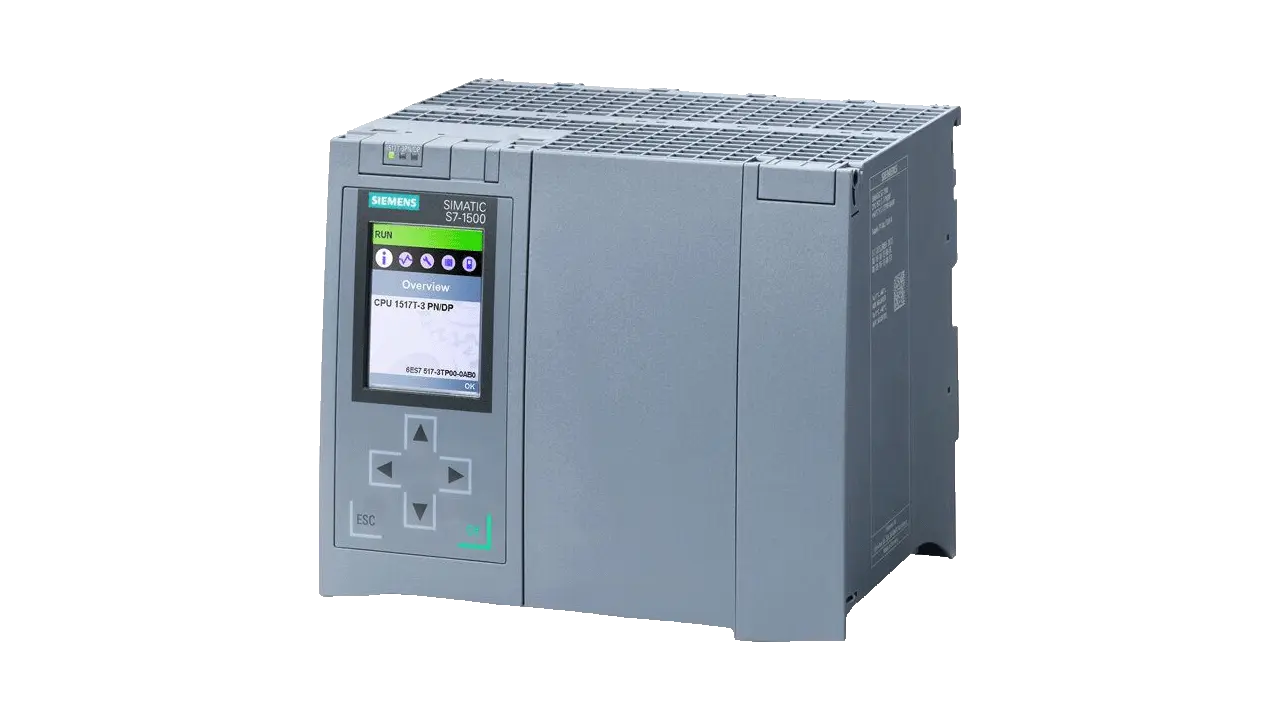
PLC Siemens S7 series Industry-standard — wide service network globally
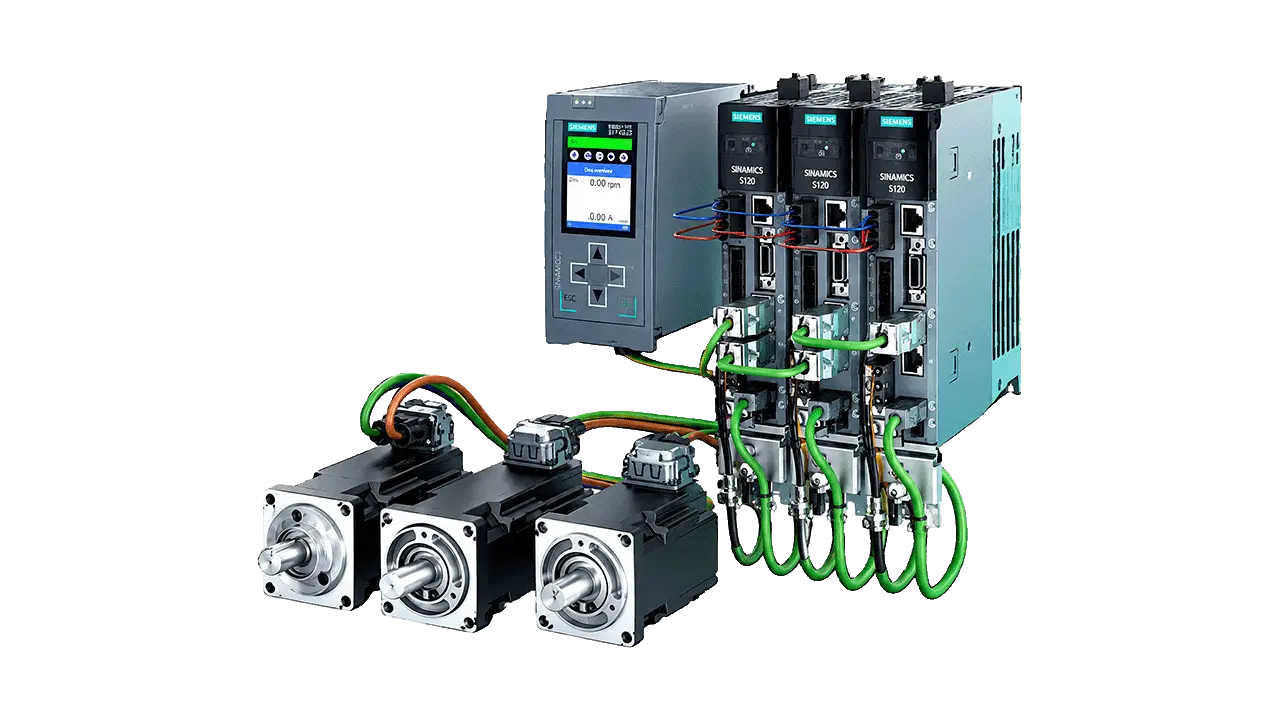
Servo Drives 3-axis servo: film feed · seal/cut · rewinder Independent axis control for precise registration
HMI 10″ colour touchscreen English interface; parameter storage for quick changeover
Registration Colour-mark photosensor — auto-tracking Maintains seal position accuracy at full speed
Machine Data
Total Power 18 kW
Machine Weight 2,500 kg
Overall Dimensions (L×W×H) 10,000 × 2,200 × 1,900 mm Allow 1.5 m clearance on all sides for operation
Choose LQ-DG-800 if:

Your target products are household kitchen bin liners, bathroom bags, or compact dispenser-format pet waste bags. Bag width up to 700 mm covers the majority of retail SKUs globally.

Choose LQ-DG-1000 if:

Your products include commercial or institutional waste bags for outdoor bins, hotels, offices or municipal contracts. Bags wider than 700 mm require the LQ-DG-1000.

Buyer Fit

Drawstring vs. Standard Seal — Which Garbage Bag Machine Do You Need?

The right machine depends on your end market, product positioning and downstream packaging requirements.

The LQ-DG Series Is Right for You If...

  • You are supplying supermarkets, grocery chains or convenience stores with private-label garbage bags
  • Your end customers expect a drawstring closure — the dominant format in retail globally
  • You want to produce retail-ready coreless rolls without a separate packaging step
  • You are producing both household (DG-800) and commercial-size (DG-1000) bags from one machine
  • You need a machine that can run both PE and PP flat tape without hardware changes
  • You are building a complete line: blown film upstream + drawstring bag machine downstream

Consider a Different Machine If...

  • Your market is institutional bulk supply where bags are tied manually — a standard C-fold seal machine (LQ-GB series) has lower investment and higher output
  • You need bags wider than 900 mm — the LQ-DG-1000 maximum width is 900 mm
  • Your product requires a star-seal (bottom star-seal for round bins) — this requires a different machine configuration
  • You are producing heavy contractor bags above 50 µm — this is outside the LQ-DG thickness range

LQ-DG Drawstring vs. LQ-GB Standard Seal — Side by Side

Criteria LQ-DG — Drawstring LQ-GB — Standard C-Fold Seal
Closure type Flat tape drawstring — pull to close Open top — tie manually
Primary market Retail, supermarket, private label Institutional, industrial, bulk
Retail price premium Higher — drawstring is a value-add feature Lower — commodity product
Machine complexity Moderate — tape feed system added Lower — simpler mechanism
Output format Coreless or cored rolls — retail-ready Flat-pack or rolls
Film compatibility HDPE / LDPE / LLDPE blends HDPE / LDPE / LLDPE blends
Speed 50–160 pcs/min Up to 200 pcs/min
Day-to-Day Operation

Running the LQ-DG Line

Staffing, changeover, tape supply and downstream integration.

Operator running LayerQuestar LQ-DG drawstring garbage bag making machine — monitoring tape feed and roll winding

Staffing Requirements

The LQ-DG series is designed for a 2-person crew per shift under normal operating conditions. One operator monitors the HMI and tape feed; one handles finished roll removal and packaging. A third person may be needed during initial setup or when running very short bag lengths at maximum speed.

Size Changeover

Changing bag width or length requires adjusting the seal bar position, hem fold guide and roll-count preset on the HMI. For an experienced operator, a standard size changeover typically takes 20–40 minutes depending on the degree of width change. Tape width changes require swapping the tape guide — a tool-free adjustment on the LQ-DG series.

Tape Supply & Reel Change

The flat tape is supplied on standard spools. When a tape spool runs out, the operator splices the new tape end to the tail of the depleted spool — a process that takes under 2 minutes and does not require stopping the main production line. Tape consumption rate depends on bag width and tape width; a 25 mm tape on a 600 mm wide bag consumes approximately 50 mm of tape per bag (two side-edge lengths).

Upstream & Downstream Compatibility

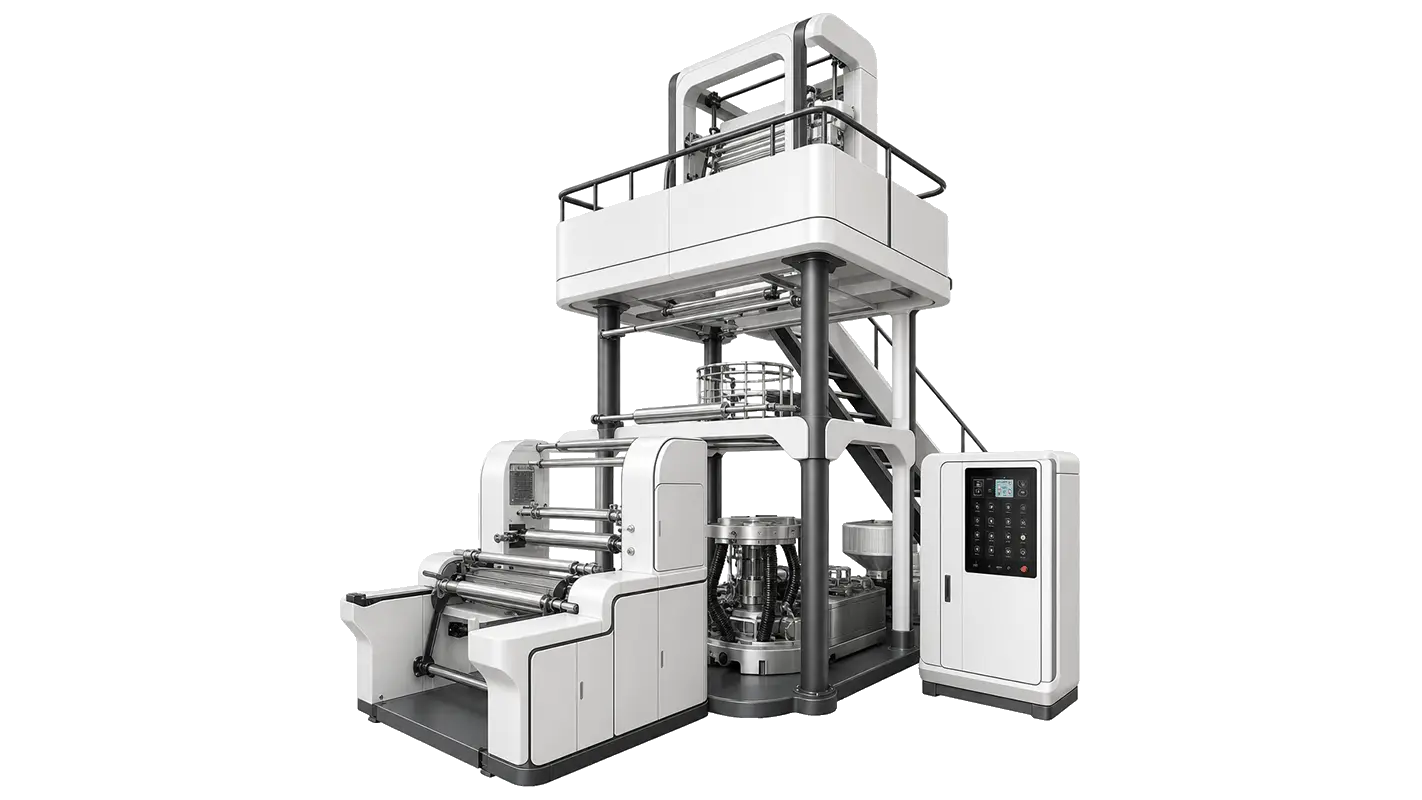
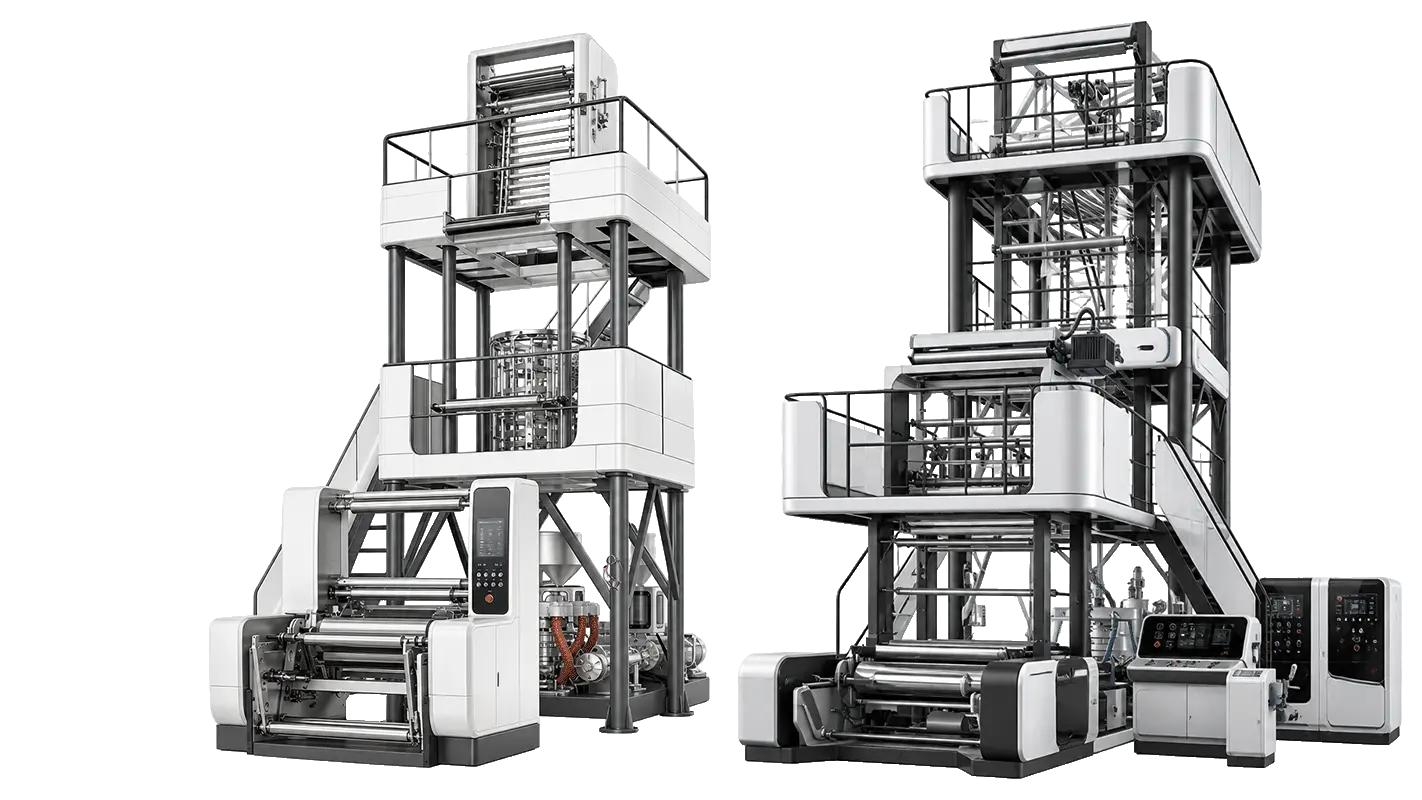
The LQ-DG series accepts film rolls produced by any standard blown film line. For a complete in-house production line, LayerQuestar's mono-layer or 3-layer ABA blown film machines are the recommended upstream pairing. Downstream, finished rolls can feed directly into automatic roll-packaging or cartoning equipment.

Build Standard

What Is Inside Every LQ-DG Machine

Component-level decisions that determine long-term reliability and after-sales cost.

Siemens S7 PLC control system close-up — LayerQuestar LQ-DG drawstring bag machine

Siemens S7 PLC

Industry-standard programmable logic controller with a global service network. Parameter recipes for each bag SKU are stored on the HMI — recall any saved job in under 60 seconds.

3-axis servo drive system close-up — LayerQuestar LQ-DG drawstring bag machine

3-Axis Servo System

Independent servo control on film feed, seal/cut and rewinder axes. Each axis is tuned independently, eliminating the registration drift that occurs on single-motor cam-driven machines at speed changes.

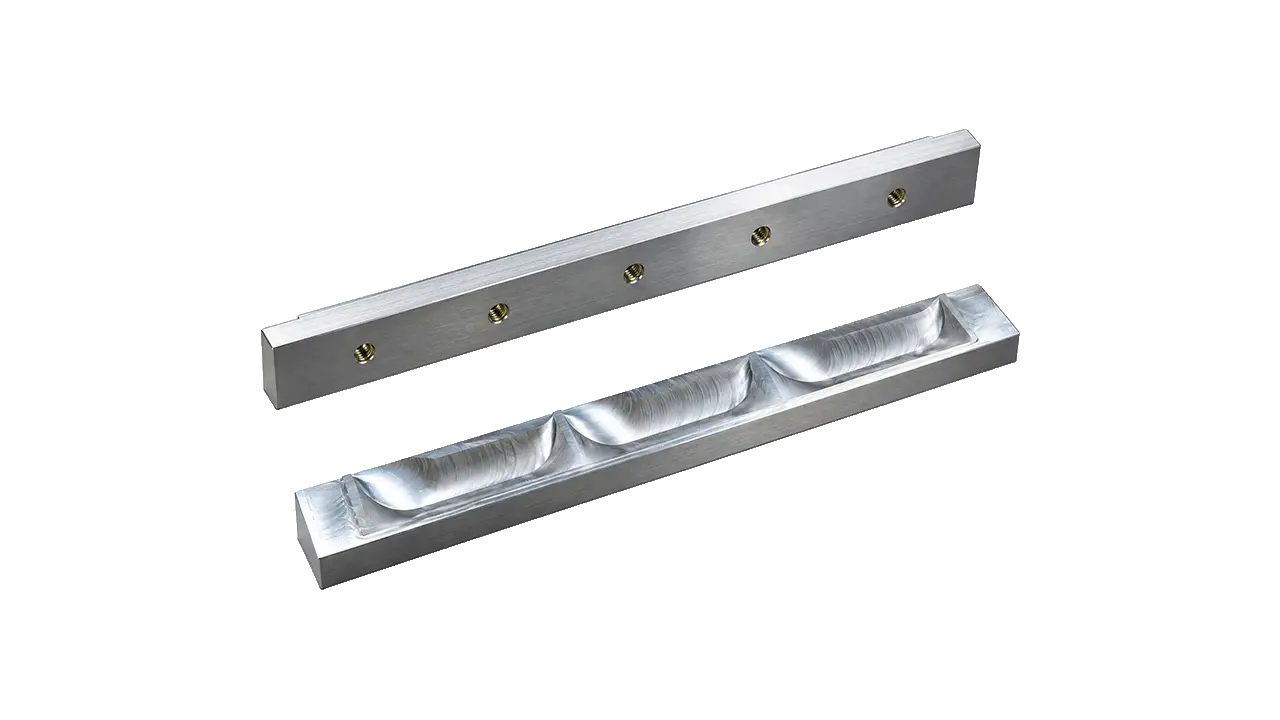
Precision heat seal bar close-up — LayerQuestar LQ-DG drawstring bag machine

Precision Seal Bar

Constant-temperature seal bar with PID temperature control. Seal temperature deviation is held within ±2°C under stable running conditions, producing consistent seal strength across the full bag width.

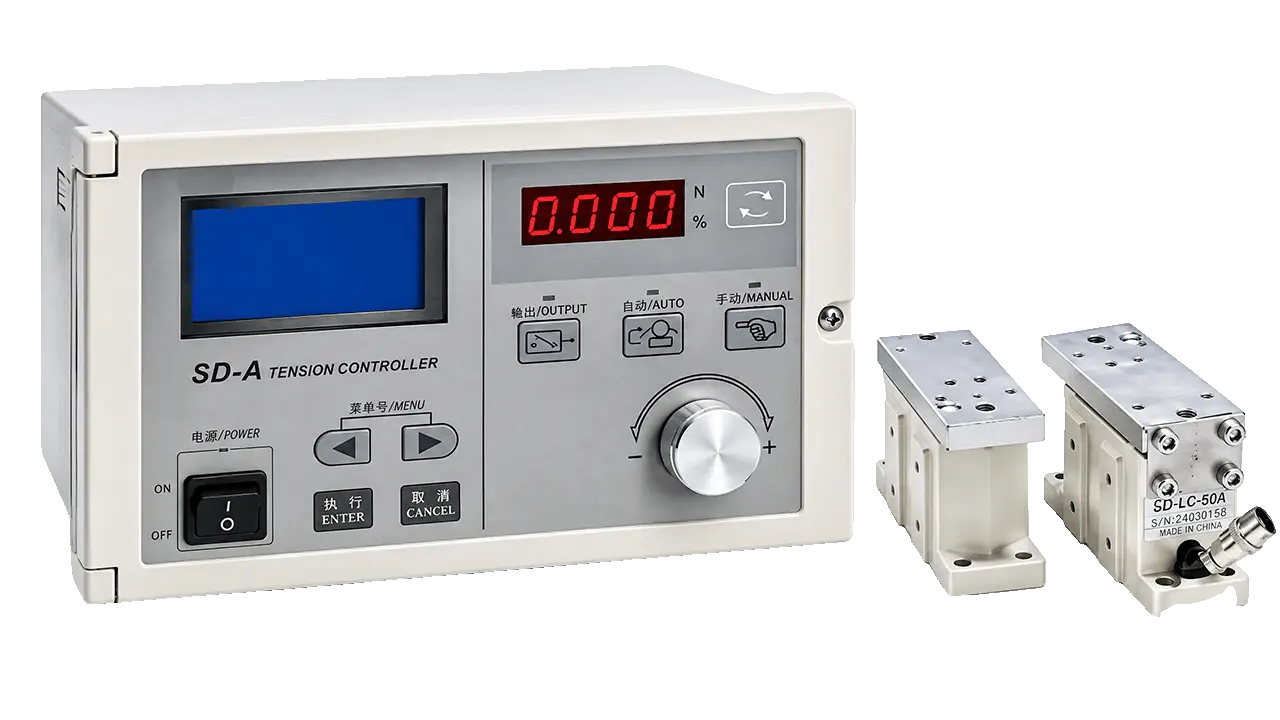
Flat tape feed and tension control unit close-up — LayerQuestar LQ-DG

Auto Tape Tension Control

A dancer-roller tension compensation system maintains consistent tape feed tension regardless of spool diameter change as the tape spool depletes. Prevents tape slack (which causes misalignment) and tape over-tension (which causes breakage).

Coreless rewinder unit close-up — LayerQuestar LQ-DG drawstring bag machine

Coreless Rewinder

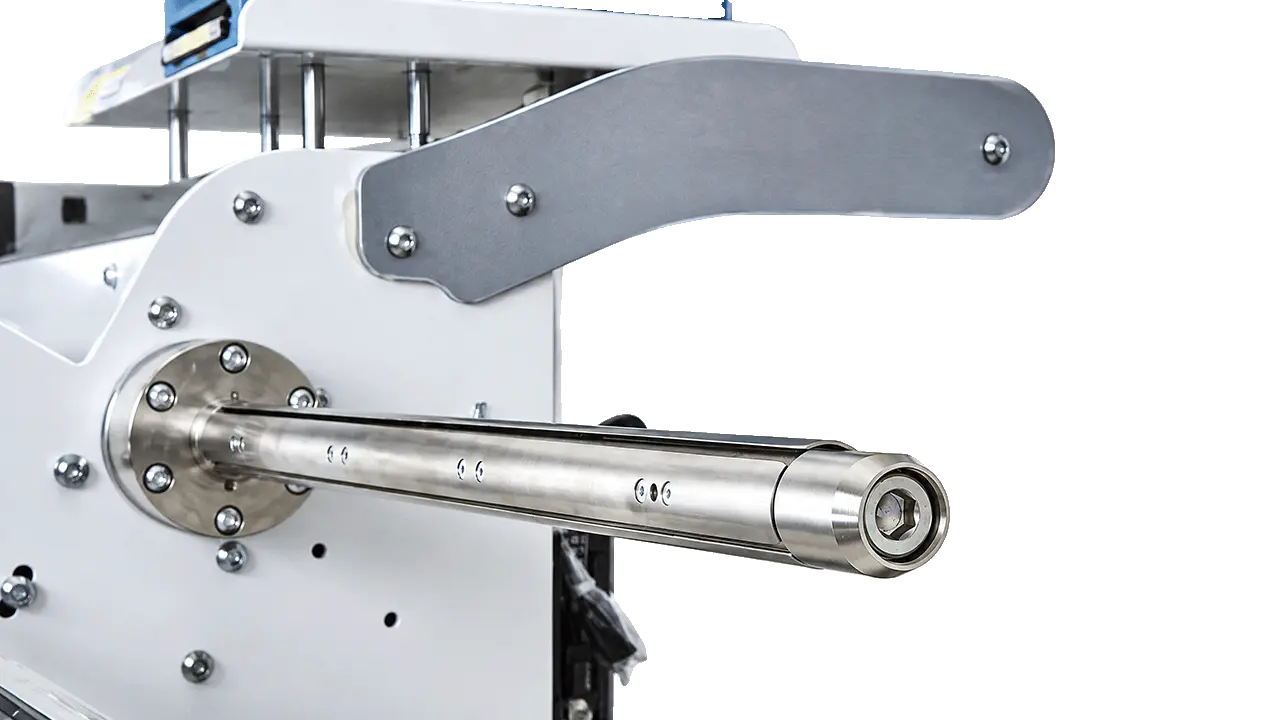
The standard rewinder supports coreless roll winding — no cardboard core required. This reduces material cost per roll and is the preferred format for many retail and private-label buyers. Cored winding is also supported via a simple mandrel change.

LayerQuestar factory acceptance test — 72-hour continuous run of LQ-DG drawstring bag machine

72-Hour Factory Acceptance Test

Every LQ-DG machine completes a 72-hour continuous production run at LayerQuestar's factory before shipment. The test run verifies speed stability, seal consistency, tape alignment accuracy and roll-count precision across the full operating range. You or your representative are welcome to witness the FAT in person before final payment and dispatch.

72 Hours continuous run
12 Month warranty
120+ Countries served
After-Sales

Warranty, Spare Parts & Support

LayerQuestar's after-sales commitment covers the full service life of your LQ-DG machine — not just the warranty period.

Warranty

12-month warranty on all mechanical and electrical components from the date of commissioning. Warranty covers manufacturing defects and component failure under normal operating conditions. Wear parts (seal bar Teflon tape, blades, photosensor lenses) are consumables and are not covered under warranty.

Wear Parts & Consumables

The following parts require periodic replacement and should be stocked at your facility:

  • Seal bar Teflon tape — replace every 2–4 weeks depending on run hours
  • Cutting blades — replace when seal/cut quality degrades
  • Photosensor lenses — clean weekly; replace if contaminated
  • Tape guide inserts — inspect monthly for wear grooves
  • Dancer roller bearings — replace annually under continuous operation

A recommended starter spare parts kit is available with every new machine order. [NEEDS CLIENT DATA — confirm kit contents and pricing]

Parts Supply

Replacement parts can be ordered directly from LayerQuestar Machinery. Standard consumable parts are typically dispatched within [NEEDS CLIENT DATA — confirm lead time] business days. For urgent orders, express air freight is available to all major destinations. Parts are labelled and documented in English for straightforward identification.

Remote Technical Support

LayerQuestar's engineering team provides remote troubleshooting via video call, WhatsApp and email. For commissioning support, our engineers can guide your local technician through the full setup process remotely. On-site service visits are available for major commissioning or fault diagnosis where remote support is insufficient. [NEEDS CLIENT DATA — confirm response time commitment and on-site visit terms]

Training & Documentation

Every LQ-DG machine ships with a full English-language operations manual, electrical schematic and parts catalogue. Operator training is available at LayerQuestar's factory in Zhejiang, China, or remotely via video session. Lifelong technical consultation is included as part of LayerQuestar's standard after-sales commitment.

FAQ

Frequently Asked Questions

Common questions from buyers evaluating the LQ-DG series.

What is the difference between the LQ-DG-800 and LQ-DG-1000?

The only difference is bag size range. The LQ-DG-800 produces bags 400–700 mm wide (suitable for household kitchen and bathroom bin liners). The LQ-DG-1000 produces bags 500–900 mm wide (suitable for commercial and outdoor waste bins up to 120 litres). Both models share the same production speed (50–160 pcs/min), total power (18 kW), machine weight (2,500 kg) and overall footprint (10 × 2.2 × 1.9 m). If your product range includes bags wider than 700 mm, you need the LQ-DG-1000.

Can the machine run both PE and PP flat tape?

Yes. The LQ-DG series is compatible with both PE (polyethylene) and PP (polypropylene) flat draw tape. Both materials are fed through the same tape guide system. The heat-tack seal temperature for the tape fixation points is set via the HMI and should be adjusted when switching between PE and PP tape, as the two materials have different seal temperature requirements. Tape width options are 18 mm, 20 mm and 25 mm — the tape guide insert is changed to match the tape width selected.

Does the machine support coreless roll winding?

Yes. Coreless winding is supported as standard on the LQ-DG series. Coreless rolls eliminate the cardboard core cost and are the preferred format for many supermarket private-label buyers. Cored winding is also available — switching between coreless and cored modes requires a mandrel change on the rewinder, which takes approximately 10–15 minutes.

What film thickness range does the LQ-DG series handle?

The LQ-DG series handles HDPE film at 7–20 µm and LDPE film at 20–50 µm. HDPE at the thinner end (7–12 µm) produces economy-grade crinkle-texture bags. LDPE at 30–50 µm produces premium soft-touch bags with higher tear strength. If your product requires film thicker than 50 µm (for example, heavy-duty contractor bags), this is outside the LQ-DG operating range and a different machine configuration would be required.

How long does a size changeover take?

For an experienced operator, a standard bag width or length changeover typically takes 20–40 minutes depending on the degree of adjustment required. This includes repositioning the seal bar, adjusting the hem fold guide, updating the bag length and roll-count parameters on the HMI, and running a short test batch to verify seal quality. Tape width changes (e.g. from 20 mm to 25 mm tape) add approximately 10 minutes for the tape guide insert swap.

What upstream blown film machine is recommended to pair with the LQ-DG?

For standard household garbage bag production using HDPE or LDPE film, LayerQuestar's mono-layer blown film machine is the most common upstream pairing — it is cost-effective and straightforward to operate. For buyers who want to produce premium bags with a softer feel or who want to incorporate a recycled content (PCR) core layer, the 3-layer ABA blown film machine is the recommended upgrade. The LQ-DG series accepts film rolls from any standard blown film line, regardless of brand.

How many operators are needed to run the LQ-DG line?

Under normal operating conditions, the LQ-DG series runs with a 2-person crew per shift. One operator monitors the HMI touchscreen, tape feed tension and seal quality; the second handles finished roll removal and stacking. A third person may be beneficial during initial setup, first-time size changeovers, or when running at maximum speed with very short bag lengths that require faster roll removal.

What are the most common maintenance items on the LQ-DG?

The highest-frequency maintenance items are: (1) seal bar Teflon tape — replace every 2–4 weeks under continuous operation; (2) cutting blades — replace when cut quality deteriorates; (3) photosensor lenses — clean weekly to prevent false triggers from film dust. These are all low-cost consumables that should be stocked at your facility. Dancer roller bearings and tape guide inserts are longer-life components that require inspection and replacement on an annual cycle under continuous operation.

Can the LQ-DG machine produce star-seal garbage bags?

No. The LQ-DG series produces bottom-seal drawstring bags. Star-seal (bottom star-seal for round bins) requires a different machine configuration with a star-seal die assembly. If your target product is a star-seal drawstring bag, please contact LayerQuestar to discuss the appropriate machine specification for your requirement.

What is included in the 72-hour factory acceptance test?

The 72-hour factory acceptance test (FAT) runs the machine continuously at LayerQuestar's Zhejiang facility before shipment. The test verifies: production speed stability across the operating range, seal strength consistency, tape alignment accuracy at both minimum and maximum bag widths, roll-count precision, and control system response under sustained operation. A test report is issued on completion. Buyers are welcome to witness the FAT in person — please notify LayerQuestar at least 2 weeks in advance to schedule your visit.

Get Started

Ready to Specify Your LQ-DG Line?

Tell us your target bag size, film thickness and daily output requirement. LayerQuestar's engineering team will confirm the right model, provide a detailed specification sheet and arrange a factory visit or remote demonstration.

120+ Countries Served
123+ Patents Granted
72 hr Pre-Ship Run Test