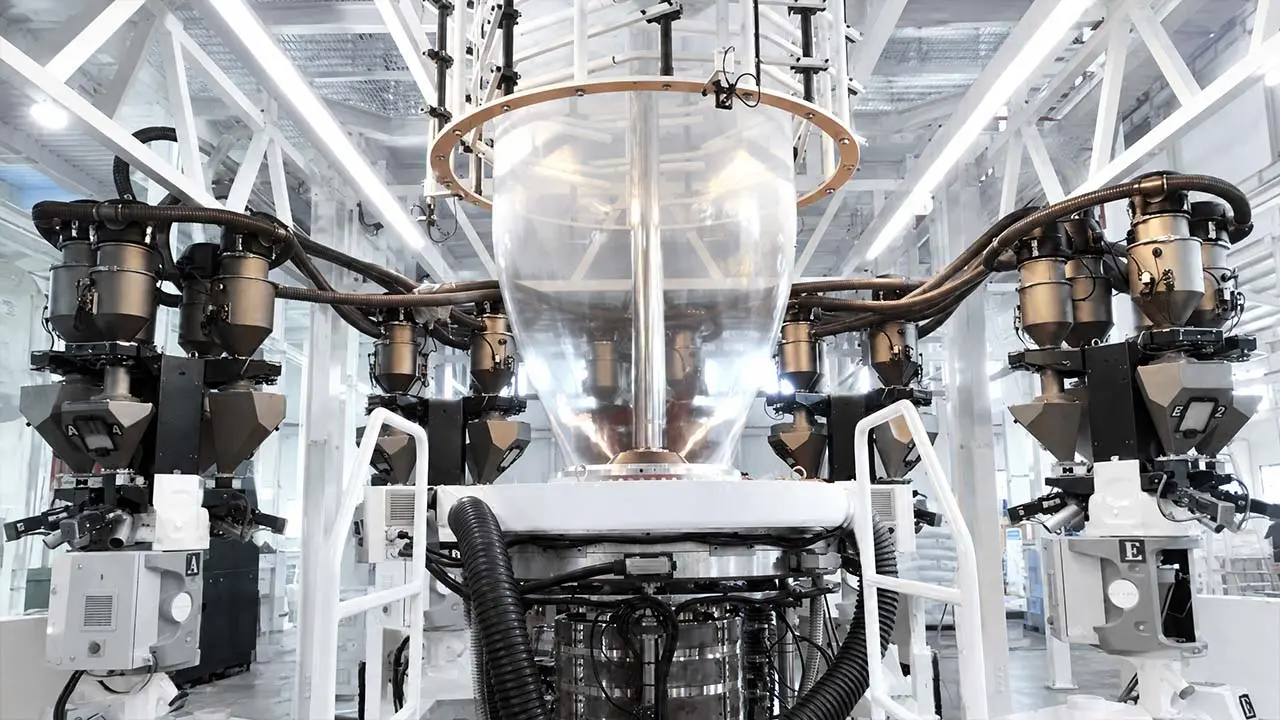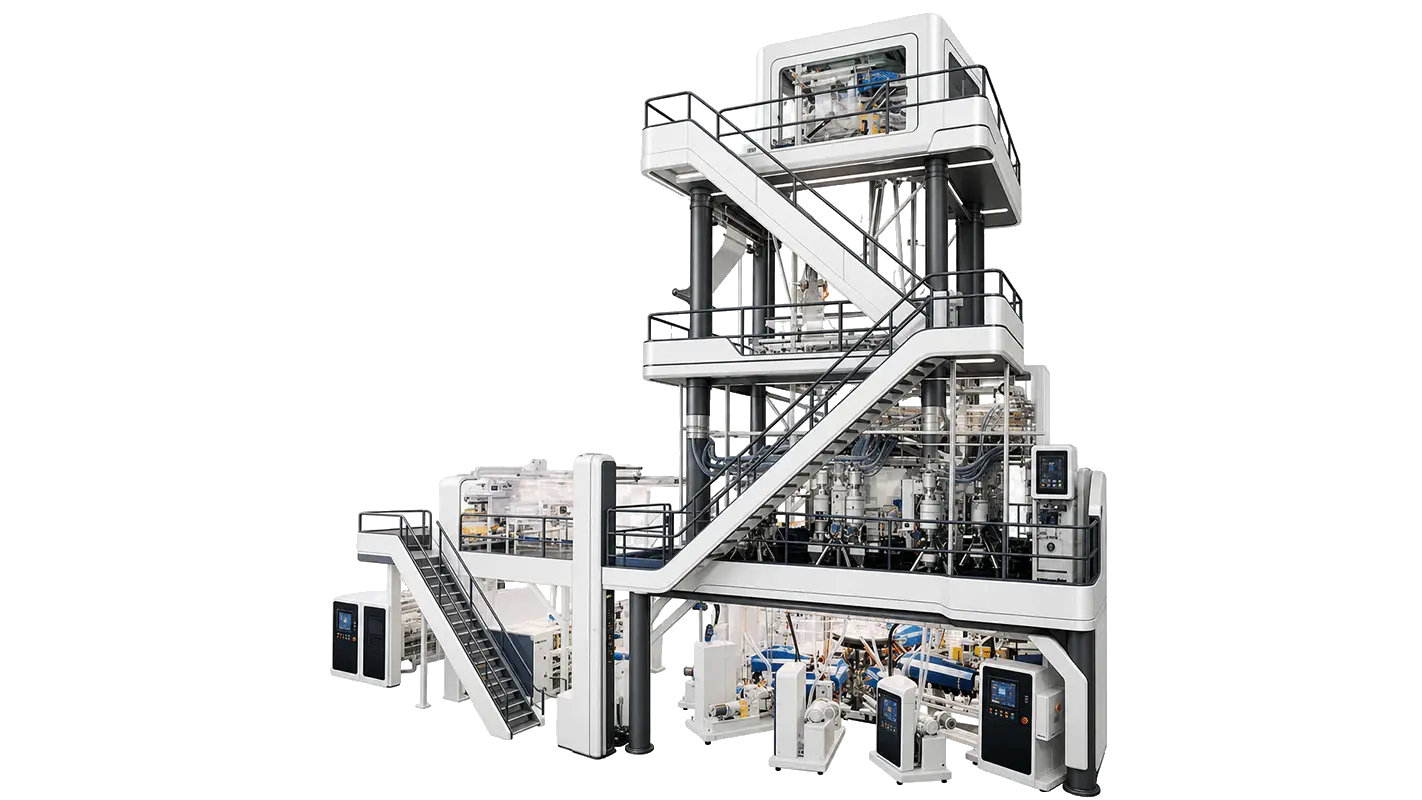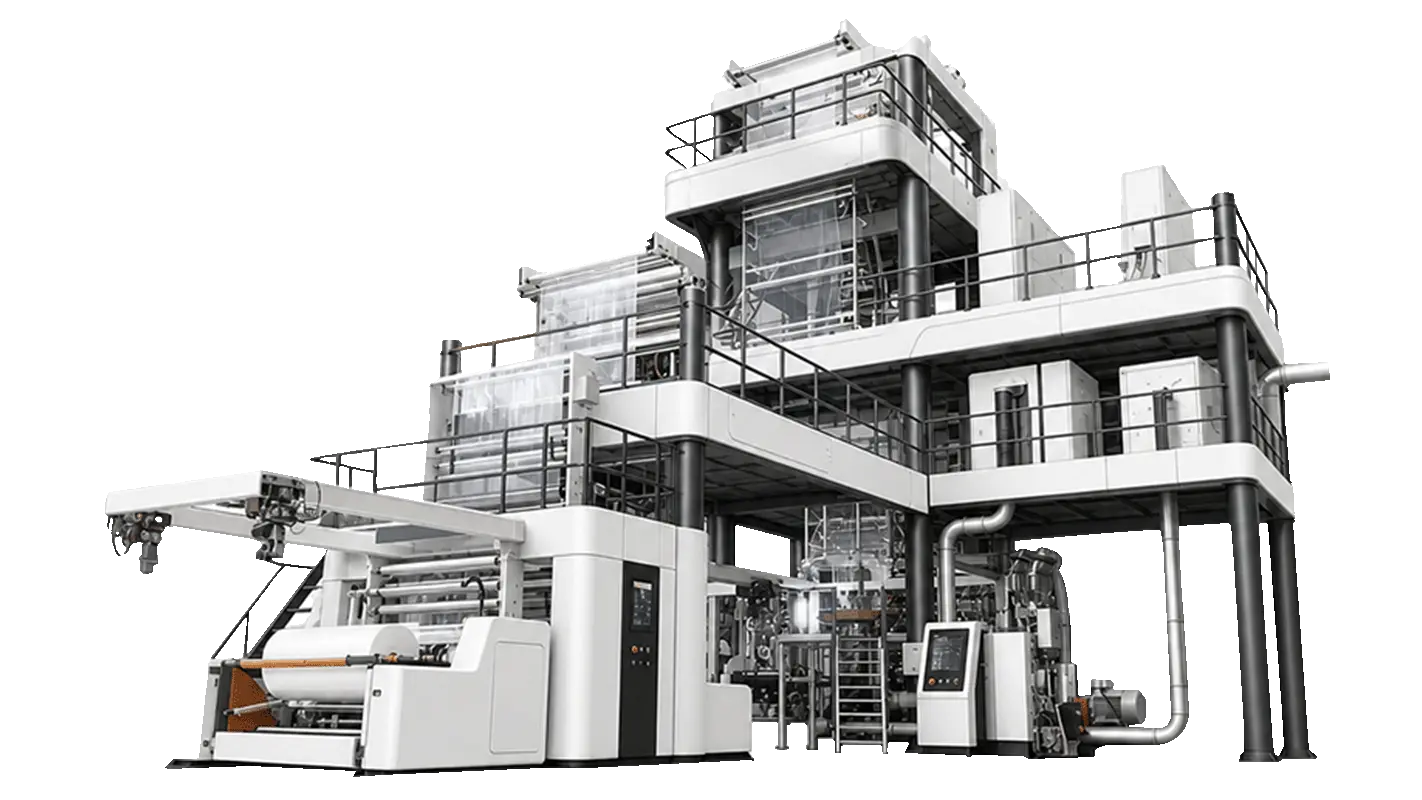
LayerQuestar 7-layer EVOH barrier co-extrusion blown film machine in operation
7 Layer · EVOH Barrier

7-Layer EVOH Barrier Blown Film Machine

High-performance co-extrusion for food-grade vacuum packaging, medical pouches and long shelf-life barrier film — PE / TIE / PA / EVOH / PA / TIE / PE and pure-EVOH structures available in symmetric and asymmetric configurations.

7 Layers
5 or 7 Extruders
120–550kg/h Output Range
72hr Factory Run Test
Applications

What Does a 7-Layer EVOH Barrier Film Machine Produce?

A 7-layer co-extrusion blown film machine combines structural PE layers, adhesive TIE layers, optional PA nylon layers and an EVOH oxygen-barrier core into a single continuous film — engineered for applications where shelf life, food safety and puncture resistance are non-negotiable.

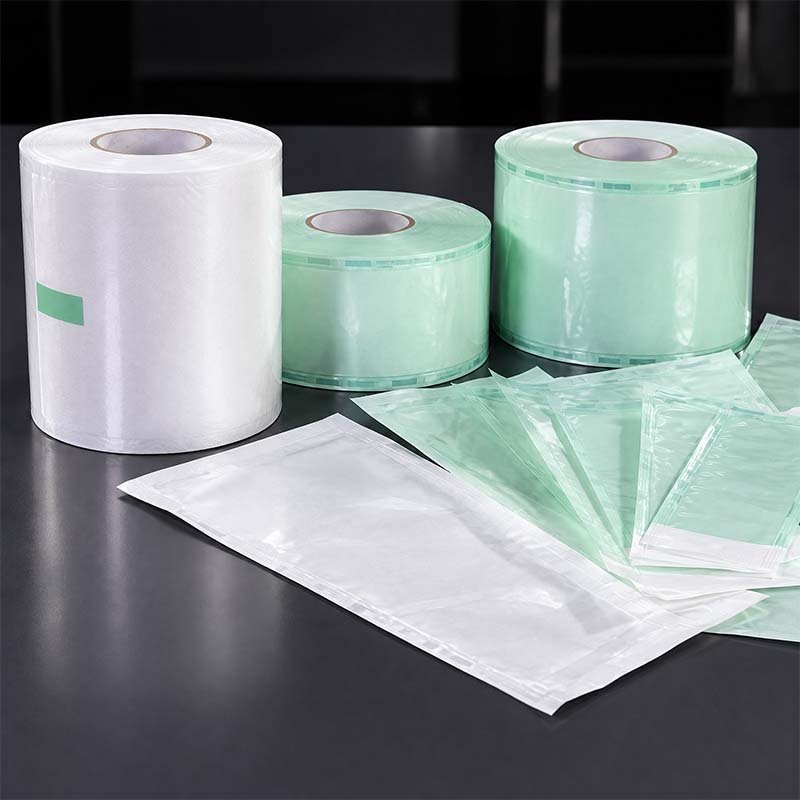
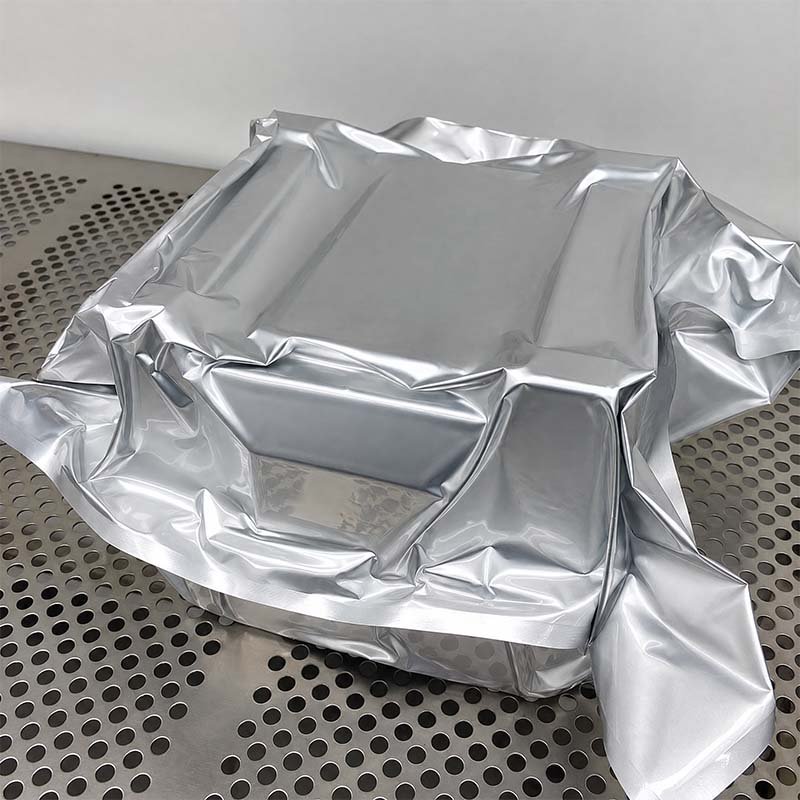
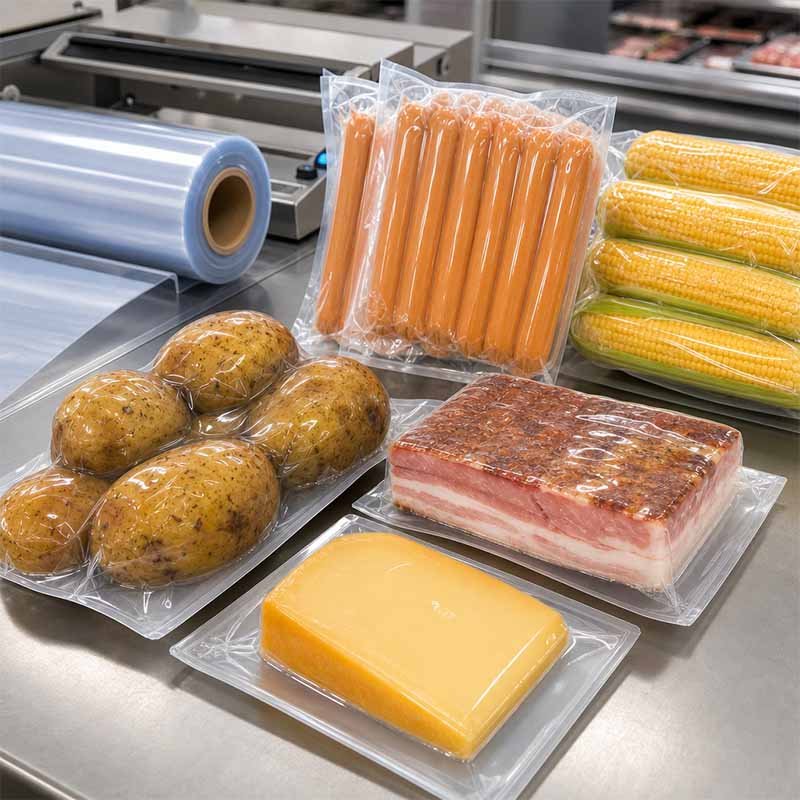
Vacuum-packed meat and chilled food products in 7-layer EVOH barrier film pouches
Primary Application

Food Vacuum Packaging

Chilled meat, processed cheese, cured meats, seafood and ready meals. The EVOH core delivers an oxygen transmission rate below 1.5 cc/m²·day (theoretical reference; actual performance varies by EVOH layer thickness, BUR and processing conditions), extending refrigerated shelf life without cold-chain interruption.

Medical device sterile pouches and pharmaceutical packaging produced on 7-layer blown film line
Primary Application

Medical & Pharmaceutical Packaging

Sterile device pouches, IV bag film and pharmaceutical blister backing. The PA layers add puncture resistance and dimensional stability; the EVOH core provides moisture and oxygen exclusion critical for sterility assurance.

Industrial high-barrier film rolls for technical packaging applications
Secondary Application

Industrial Barrier Film

Corrosion-inhibiting packaging for metal components, high-value electronics moisture-barrier bags and specialty lamination base film for flexible packaging converters requiring a co-extruded substrate.

LayerQuestar Machinery's 7-layer co-extrusion blown film line is designed for manufacturers who need to produce high-barrier flexible packaging in-house — eliminating the cost and lead time of sourcing barrier film from third-party converters. The machine supports both symmetric (5-extruder) and asymmetric (7-extruder) configurations, covering the full range of food, medical and industrial barrier film structures from a single platform.

Layer Architecture

7-Layer Film Structure Explained

Understanding how extruder count, die-head channel design and layer function interact is essential to specifying the right configuration for your application.

Structure 1 — Symmetric 5 Extruders · 7 Layers

LAYER EXTRUDER MATERIAL TYPICAL THICKNESS % FUNCTION L1 — Outer Ext A LDPE / LLDPE / mLLDPE ~25% Printability, gloss, seal initiation L2 — TIE Ext B Adhesive Tie Resin (maleic anhydride) ~10% Bonds PE to PA — prevents delamination L3 — PA Ext C Nylon PA6 / PA6,66 ~10% Puncture resistance, structural rigidity L4 — EVOH Core Ext D EVOH (32–44 mol% ethylene) ~10% Primary oxygen barrier — OTR <1.5 cc/m²·day* L5 — PA Ext C ↩ Nylon PA6 / PA6,66 ~10% Mirrors L3 — protects EVOH from inner side L6 — TIE Ext B ↩ Adhesive Tie Resin (maleic anhydride) ~10% Bonds PA to inner PE layer L7 — Inner Ext A ↩ LDPE / LLDPE / mLLDPE ~25% Heat-seal layer, food-contact surface A · B · C · D · C · B · A (5 extruders, die-head splits A/B/C)

↩ = layer fed by the same extruder via die-head flow splitting. Ext C feeds both L3 and L5 simultaneously; L3 and L5 are identical in material.

Structure 2 — Asymmetric 7 Extruders · 7 Layers

LAYER EXTRUDER MATERIAL TYPICAL THICKNESS % FUNCTION L1 — Outer Ext A LLDPE + white MB + slip ~25% Print surface, opacity, anti-block L2 — TIE Ext B Adhesive Tie Resin ~10% Bonds outer PE to EVOH L3 — Bulk Ext C LDPE / LLDPE (bulk layer) ~15% Structural thickness, cost optimisation L4 — EVOH Core Ext D EVOH (32–44 mol% ethylene) ~10% Primary oxygen barrier L5 — Bulk Ext E LDPE / LLDPE (independent formula) ~15% Independent formula from L3 — asymmetric design L6 — TIE Ext F Adhesive Tie Resin ~10% Bonds EVOH to inner PE — independent from L2 L7 — Inner Ext G LLDPE + mLLDPE + slip agent ~15% Heat-seal, anti-block, food-contact — diff. from L1 A · B · C · D · E · F · G (7 independent extruders — no die-head splitting)

All 7 extruders are independent. No flow splitting occurs. Each layer can carry a different material formula — enabling asymmetric outer/inner layer differentiation.

Per-Layer Function Reference

Layer Type Material Primary Function Why It Matters
PE / LLDPE LDPE · LLDPE · mLLDPE Structural bulk, heat-seal surface, printability Forms the majority of film thickness; determines seal strength and surface finish
TIE Maleic anhydride grafted PE Adhesive bonding between incompatible layers Without TIE, PE and EVOH/PA will delaminate under stress or heat
PA Nylon PA6 · PA6,66 Puncture resistance, dimensional stability Critical for vacuum packaging — prevents pinhole formation during handling
EVOH EVOH 32–44 mol% ethylene Oxygen and aroma barrier The thinnest layer with the highest functional value — must be protected by PA and TIE on both sides

Film Cross-Section — Relative Layer Thickness

Structure 1 · PE / TIE / PA / EVOH / PA / TIE / PE

PE outer · 25%
TIE · 10%
PA · 10%
EVOH · 10%
PA · 10%
TIE · 10%
PE inner · 25%
PE / LLDPE TIE PA Nylon EVOH Core

Structure 2 · PE / TIE / Bulk / EVOH / Bulk / TIE / PE

PE outer · 25%
TIE · 10%
Bulk · 15%
EVOH · 10%
Bulk · 15%
TIE · 10%
PE inner · 15%
PE / LLDPE Bulk (LLDPE) TIE EVOH Core

* OTR <1.5 cc/m²·day is a theoretical reference value at 23°C, 0% RH for a PE/TIE/PA/EVOH/PA/TIE/PE structure with ~10% EVOH layer. Actual barrier performance varies by EVOH grade, layer thickness, BUR and processing conditions. Contact LayerQuestar for application-specific guidance.

LayerQuestar Machinery offers both 5-extruder symmetric and 7-extruder asymmetric configurations on the same 7-layer platform. The symmetric configuration (PE/TIE/PA/EVOH/PA/TIE/PE) is the industry standard for food vacuum packaging and covers the majority of barrier film applications. The asymmetric configuration (7 independent extruders) is specified when outer and inner layer formulas must differ — for example, when the outer surface requires a printed white layer and the inner surface requires a specific slip or anti-fog additive package.

Technical Specifications

Model Range & Specifications

Reference values under standard operating conditions. Output varies by film width, thickness and material formula. All 7-layer figures are theoretical reference data — contact LayerQuestar for verified production specifications.

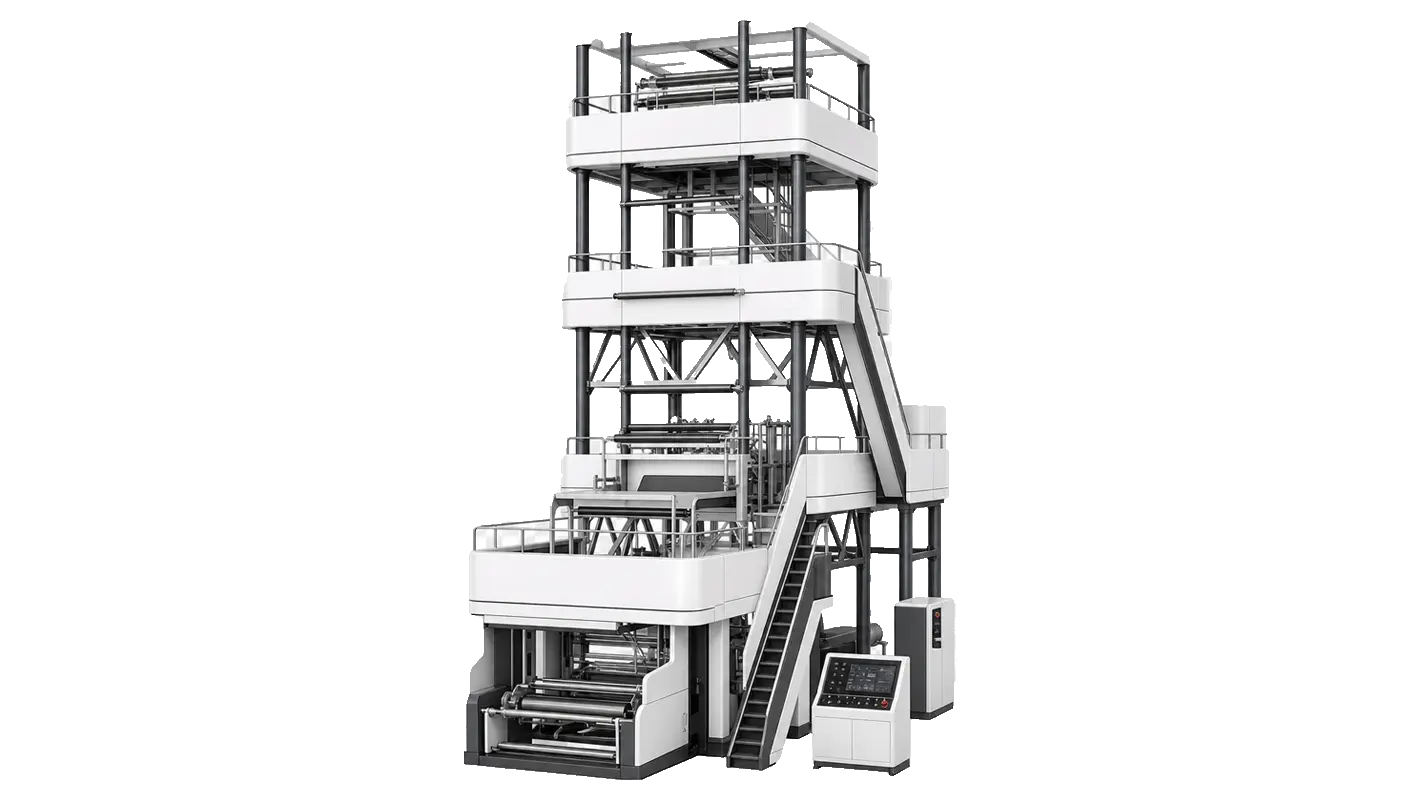
LayerQuestar 7-layer EVOH barrier co-extrusion blown film machine — exterior view showing 5-extruder configuration
Model Film Width (mm) Output (kg/h) † Motor Power (kW) Screw Ø (mm) 5 ext. Die Head (mm) Footprint (m)
LQ-7L-S-1100 Ref. 1,100 120–180 18.5×2 / 15×1 / 11×1 / 7.5×1 Φ50/45/40/45/50 250 10 × 7.5 × 9.0
LQ-7L-S-1300 Ref. 1,300 160–220 22×2 / 18.5×1 / 15×1 / 11×1 Φ55/50/45/50/55 300 11 × 8.0 × 9.5
LQ-7L-S-1600 Ref. 1,600 200–280 30×2 / 22×1 / 18.5×1 / 15×1 Φ60/55/50/55/60 350 12 × 8.5 × 10.0
LQ-7L-S-1800 Ref. 1,800 250–320 37×2 / 30×1 / 22×1 / 18.5×1 Φ65/60/55/60/65 400 13 × 9.0 × 10.5
LQ-7L-S-2200 Ref. 2,200 300–400 45×2 / 37×1 / 30×1 / 22×1 Φ70/65/60/65/70 500 14 × 9.5 × 11.0
LQ-7L-S-2500 Ref. 2,500 350–450 55×2 / 45×1 / 37×1 / 30×1 Φ75/70/65/70/75 550 15 × 10.0 × 11.5
LQ-7L-S-3000 Ref. 3,000 400–550 75×2 / 55×1 / 45×1 / 37×1 Φ80/75/70/75/80 600 16 × 10.5 × 12.0

† All figures are theoretical reference data. Actual output, power consumption and footprint vary by configuration — contact LayerQuestar for verified specifications.

Shared Specifications — All 7-Layer Models

Film Thickness Tolerance ±5%
Temperature Control OMRON PID · ±1°C
Main Motor ABB preferred
Frame 140mm heavy-wall square tube
Gearbox External oil-cooled, 8–10 yr design life
Factory Run Test 72-hour continuous
Control Cabinet Full English labels · 2–3 cooling fans
Configurations Available 5-extruder symmetric · 7-extruder asymmetric
Buyer Fit

Is a 7-Layer Line Right for You?

A 7-layer EVOH barrier line is a significant investment. These are the clearest indicators that it is — or is not — the right choice.

Good Fit

  • You supply vacuum packaging film to meat processors, dairy producers or ready-meal manufacturers
  • Your customers require shelf life ≥14 days under refrigeration without modified atmosphere
  • You are currently purchasing barrier film from converters and want to bring production in-house
  • You need to differentiate outer and inner layer formulas (print surface vs. seal surface)
  • Medical or pharmaceutical packaging is part of your product portfolio
  • You are producing industrial corrosion-barrier or moisture-barrier packaging

Consider a 5-Layer Line Instead If…

  • Your application requires barrier performance but shelf life requirements are moderate (7–14 days)
  • Your outer and inner layer formulas are identical — the symmetric 5-layer structure covers this at lower investment
  • You are entering the barrier film market for the first time and want to validate demand before scaling
  • Budget is the primary constraint — a 5-layer line delivers meaningful barrier at a lower entry cost
View 5-Layer Co-Extrusion Line

5-Layer vs. 7-Layer — Key Differences

Criterion 5-Layer 7-Layer
Typical structure PE / TIE / EVOH or PA / TIE / PE PE / TIE / PA / EVOH / PA / TIE / PE
EVOH protection TIE only on each side PA + TIE on each side — double protection
Puncture resistance Moderate (PE structural layers only) High (PA layers add rigidity and toughness)
Barrier performance (OTR)* ~1–3 cc/m²·day (theoretical) ~0.5–1.5 cc/m²·day (theoretical)
Layer formula flexibility Symmetric structures only (standard) Symmetric (5 ext.) or asymmetric (7 ext.)
Typical application General food packaging, lamination base film Vacuum meat, medical, long shelf-life food
Extruder count 5 extruders 5 extruders (symmetric) or 7 (asymmetric)

* OTR values are theoretical references at 23°C, 0% RH. Actual performance varies by EVOH grade, layer thickness ratio, BUR and processing conditions.

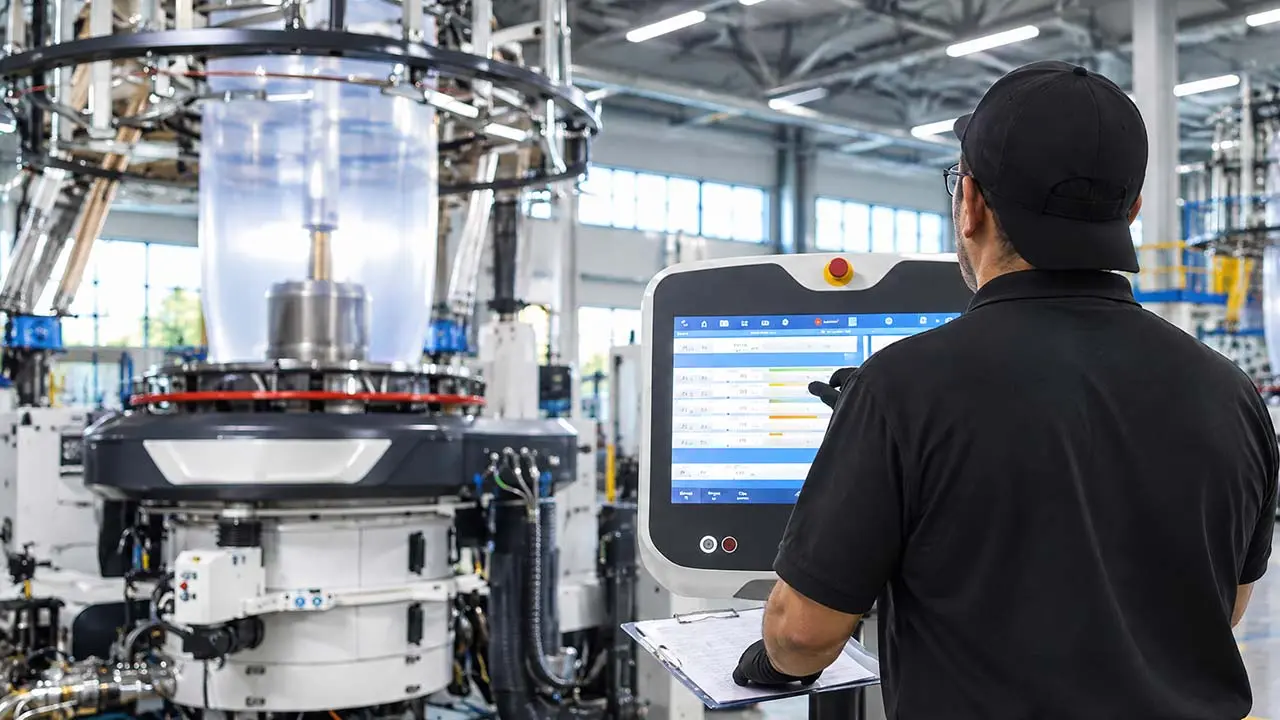
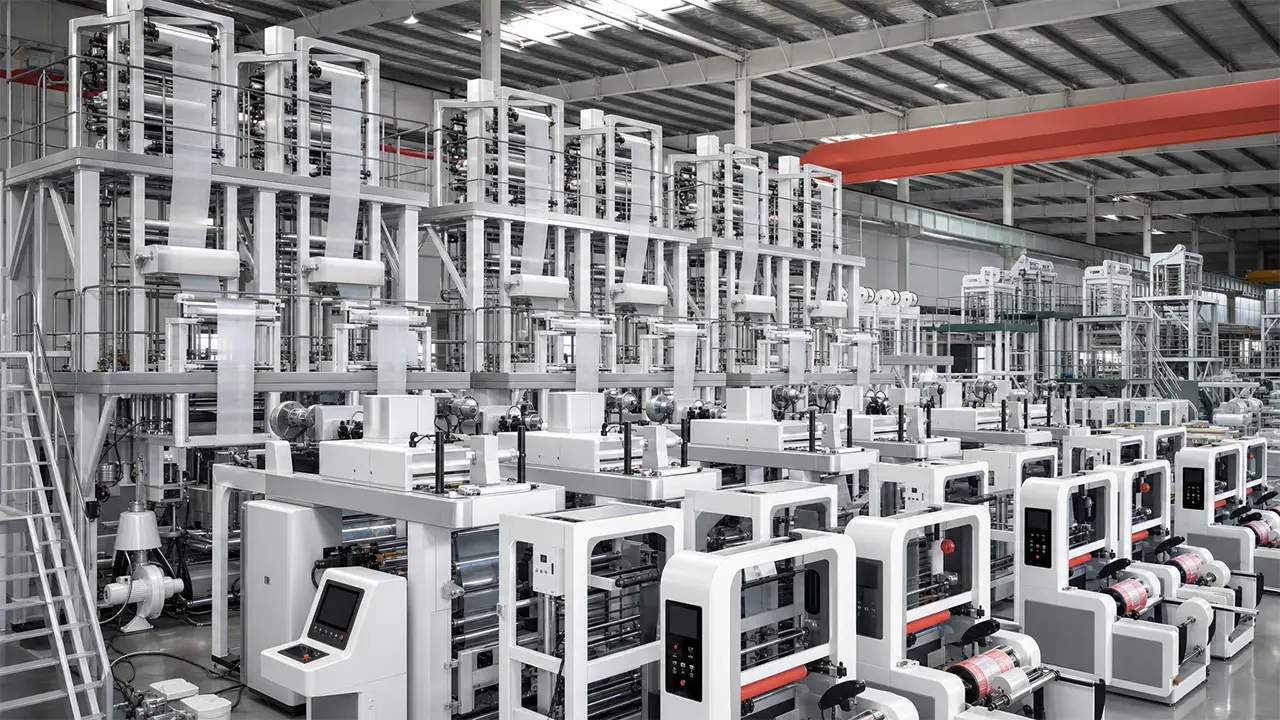
Operator running LayerQuestar 7-layer EVOH barrier blown film line — control panel and die-head overview
Operations

Running a 7-Layer EVOH Barrier Line

A 7-layer line is more complex to operate than a 3- or 5-layer machine. Here is what to plan for before commissioning.

Operator Requirements

  • Minimum 2–3 operators per shift recommended for a 7-layer line
  • At least one operator should have prior co-extrusion experience (3-layer or 5-layer)
  • EVOH and PA resin handling requires understanding of moisture sensitivity and drying protocols
  • LayerQuestar provides on-site commissioning support and operator training as standard

Material Handling & Changeover

  • EVOH must be pre-dried before processing — moisture causes bubble defects and barrier degradation
  • PA (nylon) is hygroscopic — drying to <0.2% moisture content before extrusion is standard practice
  • Purging sequence on shutdown is critical to prevent EVOH degradation in the die head
  • Grade changeover (e.g., switching EVOH ethylene content) requires full purge and temperature stabilisation
  • Typical structure changeover time: 2–4 hours depending on material combination [NEEDS CLIENT VERIFICATION]

Downstream Compatibility

  • Output film is compatible with standard slitting, rewinding and pouch-making lines
  • For vacuum packaging applications, film is typically fed directly to thermoforming or FFS (form-fill-seal) machines
  • Lamination-grade output is compatible with solvent-based and solventless laminating lines
  • Corona treatment unit recommended if film will be printed or laminated downstream
  • Oscillating haul-off available to improve roll geometry for high-speed converting lines
Build Standard

LayerQuestar Build Standard

Five hardware decisions that determine how a 7-layer barrier line performs across a 10-year service life — and how LayerQuestar specifies each one.

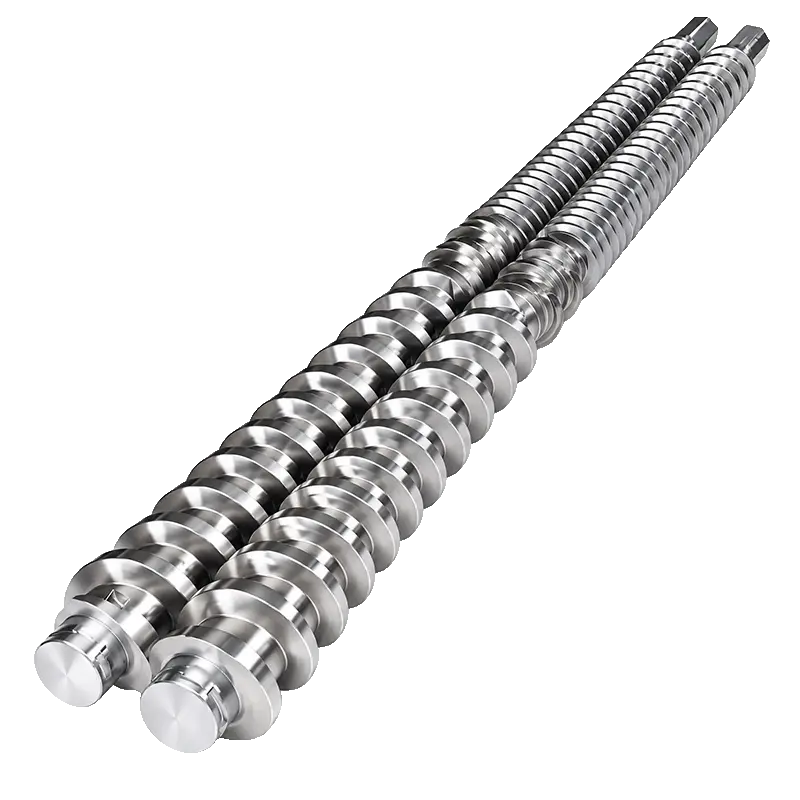
WC bi-metallic screw close-up — LayerQuestar 7-layer EVOH barrier blown film machine
Screw
WC Bi-Metallic

Base: 38CrMoAlA nitrided steel. Overlay: 1.5–3mm tungsten carbide alloy, HRC 59–65. Handles PA and EVOH processing demands without premature wear. Designed for PCR blends and high-filler masterbatch compounds.

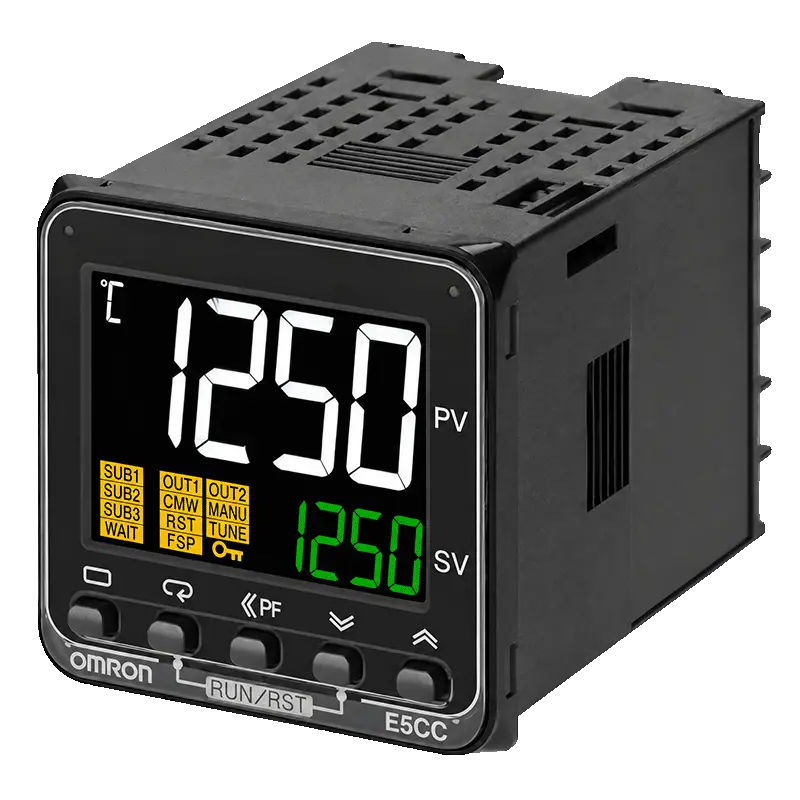
OMRON PID temperature controller close-up — LayerQuestar 7-layer blown film machine
Temperature Control
OMRON PID · ±1°C

OMRON PID controllers on every zone. Deviation ±1°C under stable operating conditions. Critical for EVOH processing — temperature excursions above the processing window cause irreversible degradation and barrier loss.

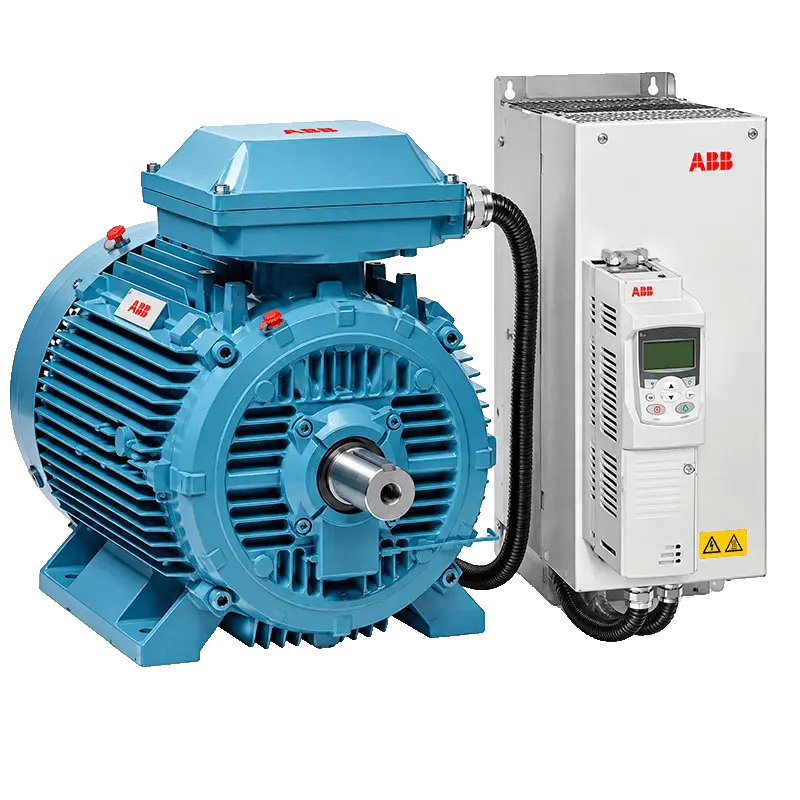
ABB main drive motor close-up — LayerQuestar 7-layer co-extrusion blown film machine
Main Motor
ABB Preferred

ABB specified as standard across all 5 or 7 extruder drives. Innomotics and other international-brand motors available on request. VFD-controlled for precise independent speed management per extruder.

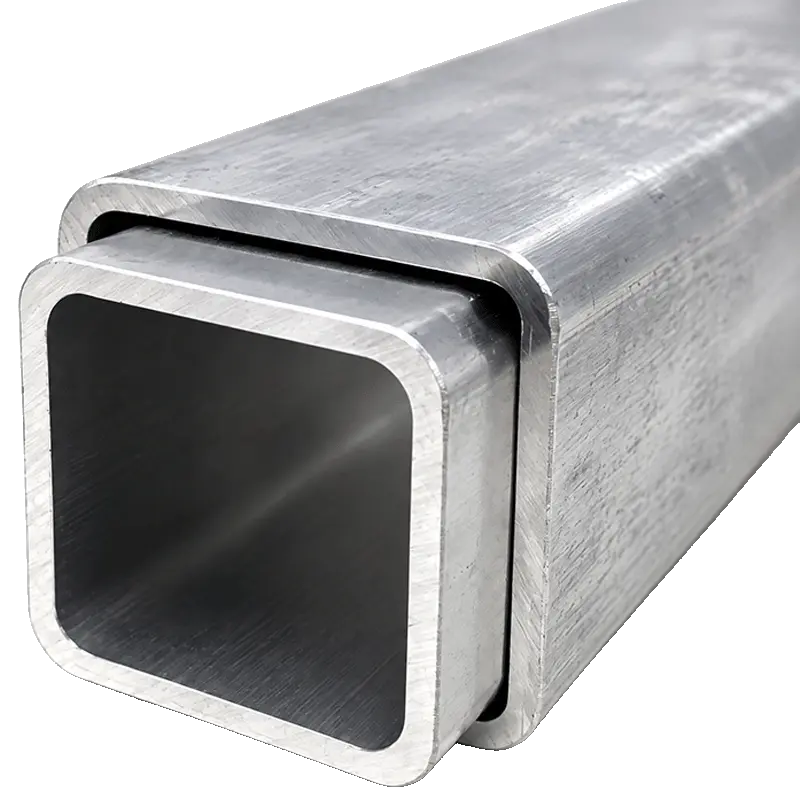
140mm heavy-wall square tube machine frame close-up — LayerQuestar blown film machine
Frame
140mm Heavy-Wall Tube

140mm heavy-wall square tube throughout. A 7-layer line carries significantly more extruder mass than a 3-layer machine — frame rigidity directly affects die-head alignment stability and long-term gauge uniformity.

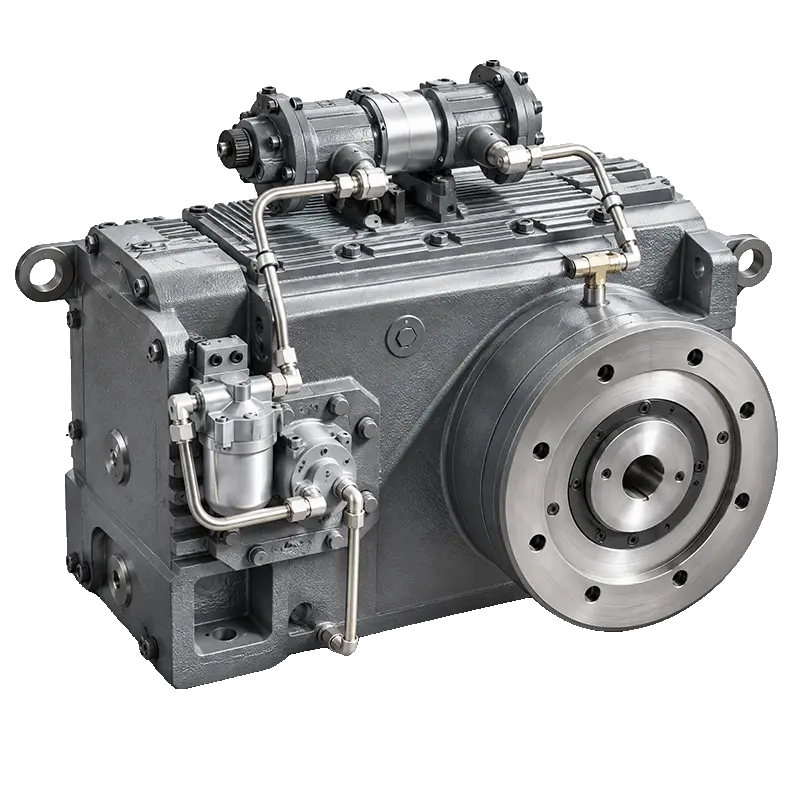
External oil-cooled gearbox close-up — LayerQuestar 7-layer blown film machine
Gearbox
External Oil-Cooled

External oil-cooled circulation gearbox on every extruder drive. Designed for 8–10 years continuous service life. Running 5 or 7 extruders simultaneously demands sustained thermal stability — internal oil cooling is not specified on any LayerQuestar barrier line.

LayerQuestar factory acceptance test — 72-hour continuous run on 7-layer EVOH barrier blown film machine

72-Hour Factory Acceptance Test

Every LayerQuestar 7-layer line completes a 72-hour continuous factory run test before shipment. The test runs the full layer structure — PE, TIE, PA and EVOH — under production conditions. Film samples are taken at intervals to verify thickness tolerance (±8%), layer distribution consistency and barrier layer integrity. Test records are provided with every machine.

National High-Tech Enterprise
Certified by the Chinese Ministry of Science and Technology
123+ Patents Granted
Provincial Innovative SME — Zhejiang, China
120+ Countries Served
Established 2008 · Zhejiang, China
After-Sales

Warranty, Spare Parts & Support

A 7-layer barrier line is a long-term production asset. LayerQuestar's after-sales programme is designed to keep it running.

Warranty

Standard warranty coverage applies to all major mechanical and electrical components. [NEEDS CLIENT VERIFICATION — confirm warranty period and coverage scope for 7-layer barrier lines]

Wear Parts for Barrier Lines

Key wear items specific to 7-layer EVOH barrier lines include: screw and barrel sets (all 5 or 7 extruders), die-head lip rings, EVOH-grade screen packs, heater bands and thermocouple sensors. Starter spare parts kit available with every new machine order. [NEEDS CLIENT DATA — confirm kit contents]

Parts Supply

Replacement parts ordered directly from LayerQuestar. Standard parts dispatched within [NEEDS CLIENT DATA — confirm lead time] business days. EVOH-specific components (die-head manifold seals, EVOH extruder screw sets) held in stock at the Zhejiang facility.

Remote Technical Support

LayerQuestar's engineering team provides remote troubleshooting via video call, email and WhatsApp — covering EVOH processing issues, layer distribution problems and die-head maintenance. On-site commissioning and fault diagnosis visits available. [NEEDS CLIENT DATA — confirm response time commitment]

FAQ

Frequently Asked Questions

Common questions from buyers evaluating a 7-layer EVOH barrier blown film line.

What is the difference between a 5-extruder and a 7-extruder 7-layer machine?

Both produce 7-layer film, but they differ in how the layers are generated. A 5-extruder machine uses die-head flow splitting: Extruders A, B and C each feed two symmetric layers simultaneously, while Extruder D feeds the EVOH core. This means the outer and inner PE layers are identical in formula, as are the two TIE layers and the two PA layers.

A 7-extruder machine has one independent extruder per layer — no flow splitting. This allows every layer to carry a different material formula. For example, the outer PE layer can include white masterbatch and slip additives for printing, while the inner PE layer carries anti-fog or anti-block additives for seal performance — without any compromise between the two.

For most food vacuum packaging applications, the 5-extruder symmetric configuration is sufficient. The 7-extruder configuration is specified when outer and inner surface functional requirements are genuinely different.

Why does a 7-layer machine need fewer extruders than layers?

The die head on a co-extrusion blown film machine contains multiple spiral mandrel flow channels. In a symmetric structure, the die head splits a single extruder's melt stream into two separate channels — one feeding the outer layer and one feeding the corresponding inner layer. Because both layers receive the same melt from the same extruder, they are identical in material composition.

This is the same principle used in 3-layer ABA machines, where 2 extruders produce 3 layers: Extruder A is split by the die head to feed both outer layers, while Extruder B feeds the core. The 7-layer symmetric machine extends this logic — 5 extruders produce 7 layers through 3 split channels and 2 dedicated channels (TIE outer/inner share one extruder each, PA outer/inner share one extruder, and EVOH has its own dedicated extruder).

What materials can the 7-layer line process?

The structural layers (L1, L3, L5, L7 in a symmetric structure) process LDPE, LLDPE and mLLDPE. The TIE layers process maleic anhydride-grafted adhesive resins. The PA layers process Nylon PA6 or PA6,66. The EVOH core processes EVOH grades with 32–44 mol% ethylene content — lower ethylene content delivers higher barrier performance but requires higher processing temperatures and is more sensitive to moisture.

EVOH and PA are both hygroscopic and must be pre-dried before processing. EVOH in particular has a narrow processing window — temperature control to ±1°C is critical to prevent degradation. LayerQuestar specifies OMRON PID controllers on all zones for this reason.

What oxygen transmission rate (OTR) can a 7-layer EVOH film achieve?

As a theoretical reference, a PE/TIE/PA/EVOH/PA/TIE/PE structure with approximately 10% EVOH layer thickness can achieve an OTR below 1.5 cc/m²·day at 23°C, 0% RH. A 5-layer PE/TIE/EVOH/TIE/PE structure typically achieves 1–3 cc/m²·day under the same conditions.

Actual barrier performance depends on EVOH grade (ethylene content), EVOH layer thickness as a percentage of total film gauge, blow-up ratio (BUR), processing temperature and humidity conditions during and after production. EVOH barrier performance degrades significantly at high relative humidity — the PA layers in a 7-layer structure help protect the EVOH core from moisture absorption.

Contact LayerQuestar with your specific application requirements for a structure recommendation and barrier performance guidance.

How does a 7-layer line compare to a 5-layer line in terms of investment and running cost?

A 7-layer line has a higher capital cost than a 5-layer line, primarily due to the additional extruders, the more complex 7-channel die head, and the larger machine footprint. For specific pricing, contact LayerQuestar directly — configuration, film width and extruder count all affect the final figure.

On the running cost side, the dominant variable is resin cost — particularly EVOH and PA, which are significantly more expensive than PE. A 7-layer structure uses more PA than a 5-layer structure, which increases material cost per kilogram of film. However, the improved barrier performance of a 7-layer structure often allows thinner total film gauge to achieve the same shelf life target, partially offsetting the higher resin cost.

Is EVOH difficult to process? What are the main challenges?

EVOH is more demanding to process than standard PE resins. The main challenges are:

  • Moisture sensitivity: EVOH must be pre-dried before processing. Moisture causes bubble instability and reduces barrier performance.
  • Narrow processing window: EVOH degrades if held at processing temperature for too long or if temperature exceeds the recommended range. Precise PID temperature control is essential.
  • Shutdown purging: EVOH left in the die head during shutdown will degrade. A proper purge sequence using PE is required before every shutdown.
  • Incompatibility with PE: EVOH does not bond to PE without a TIE layer. Skipping or under-specifying the TIE layer results in delamination.

LayerQuestar provides operator training as part of commissioning to cover all EVOH handling and processing protocols.

What downstream equipment is needed after the blown film line?

The blown film line produces rolls of flat or gusseted barrier film. Depending on your end product, typical downstream equipment includes:

  • Slitter-rewinder — to cut master rolls to finished width
  • Pouch-making machine — for vacuum pouches and stand-up barrier bags
  • Thermoforming line — for tray-lidding and vacuum skin packaging
  • FFS (form-fill-seal) machine — for high-speed automated packaging lines
  • Corona treater — if the film will be printed or laminated

Contact LayerQuestar to discuss turnkey line configurations that combine the blown film line with downstream converting equipment.

How long does installation and commissioning take for a 7-layer line?

Installation and commissioning time for a 7-layer line is longer than for a 3- or 5-layer machine, due to the greater number of extruders, the complexity of the die-head alignment, and the EVOH processing qualification requirements. Typical commissioning duration is [NEEDS CLIENT VERIFICATION — confirm standard commissioning timeline for 7-layer lines].

LayerQuestar provides on-site commissioning engineers as standard. The commissioning scope includes mechanical installation verification, electrical and control system check, initial film run with all 7 layers, and operator training on EVOH handling protocols.

Can the 7-layer line run without EVOH — for example, PE-only or PA-only structures?

Yes — the machine can run with the EVOH extruder purged and the channel bypassed or substituted with a compatible resin, effectively producing a 5- or 6-layer structure on a 7-layer platform. This flexibility allows the line to serve multiple product families from a single machine.

However, the 7-layer line is optimised and priced for barrier film production. If your primary application does not require EVOH or PA, a 5-layer or 3-layer line will deliver better value. Contact LayerQuestar to discuss the right configuration for your specific product mix. [NEEDS CLIENT VERIFICATION — confirm partial-layer operating mode support]

Get Started

Ready to Specify Your
7-Layer Barrier Line?

Tell LayerQuestar your target film structure, output requirement and application — we will recommend the right configuration (5-extruder symmetric or 7-extruder asymmetric) and provide a detailed proposal.

From Recycling to Finished Bags — One Supplier. One Line. One Responsibility.