From Recycling to Finished Bags — One Supplier. One Line. One Responsibility.
Build your flexible packaging factory with one accountable manufacturer — covering 1–9 layer blown film extrusion, flexo printing up to 8 colors, bag making up to 200 pcs/min and recycling pelletizing up to 500 kg/h.
National High-Tech Enterprise · Multi-Layer Co-Extrusion up to 9 Layers · 123+ Patents Granted
Our Full Production Chain
From Recycled Pellets to Printed Finished Bags
Many suppliers cover only one production step. LayerQuestar connects all four — recycling, extrusion, printing and bag making — with one engineering team, one commissioning plan and one after-sales responsibility.
Step 01
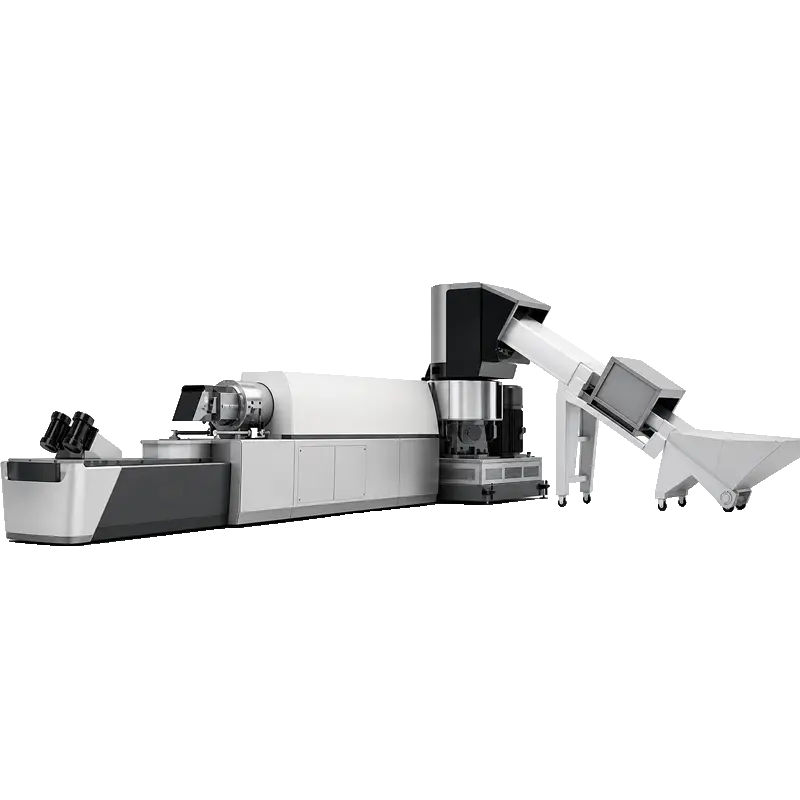
Recycling & Pelletizing
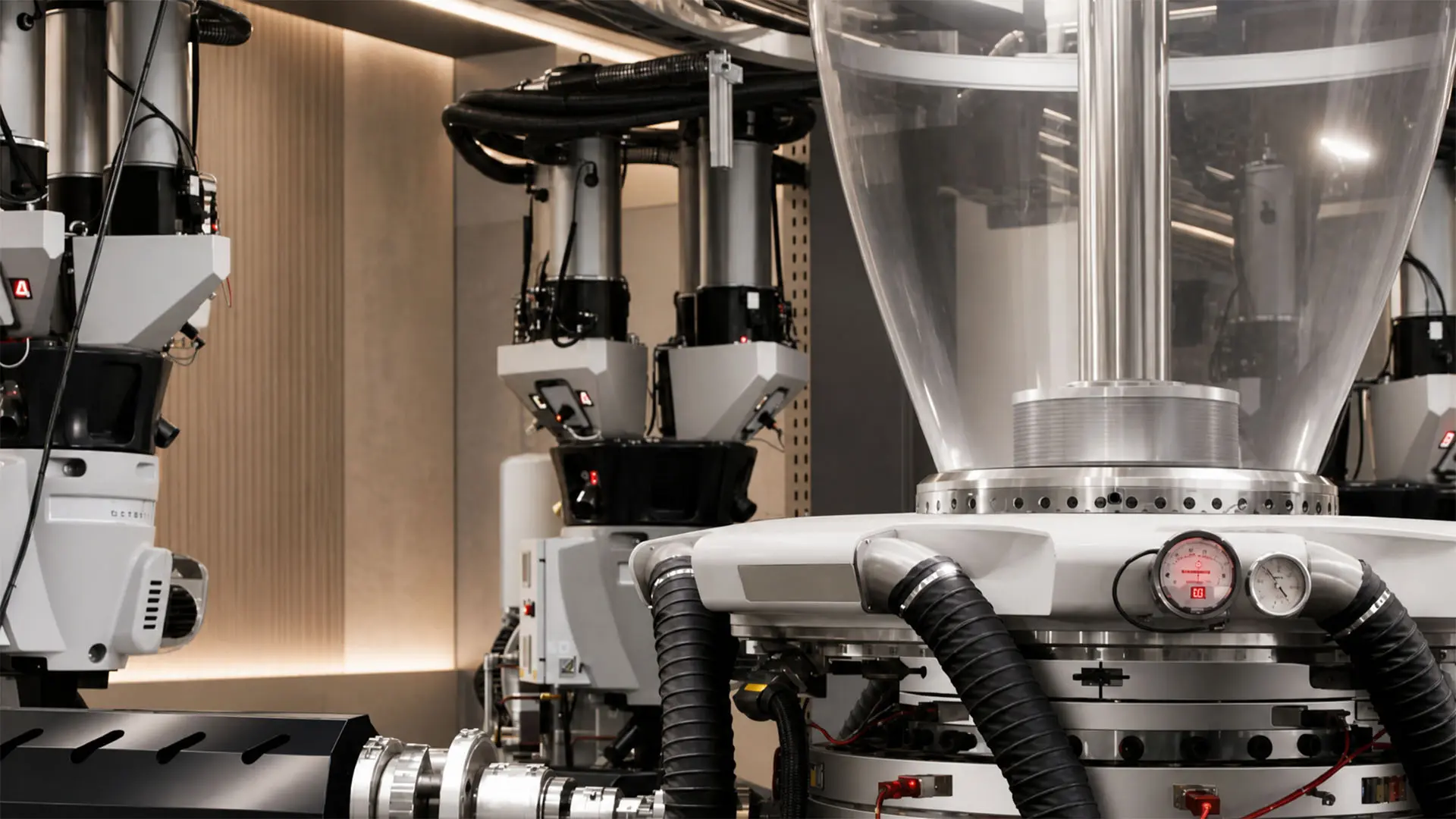
PE / PP film recycling and pelletizing lines that convert waste film into reusable pellets for blown film production. Single-stage and double-stage systems are available for different contamination levels.
Up to 500 kg/h
Step 02
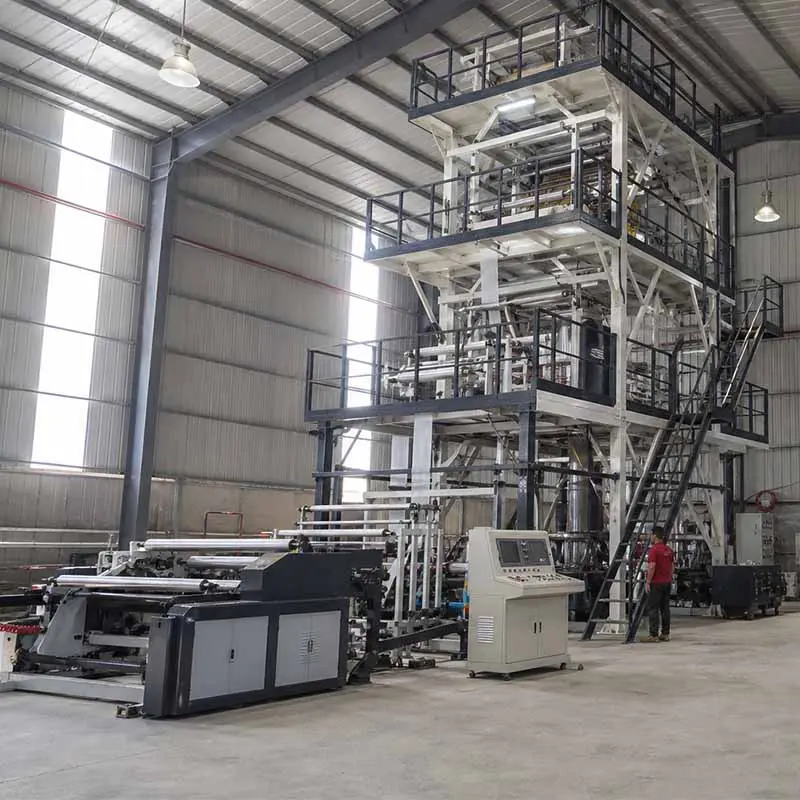
Blown Film Extrusion
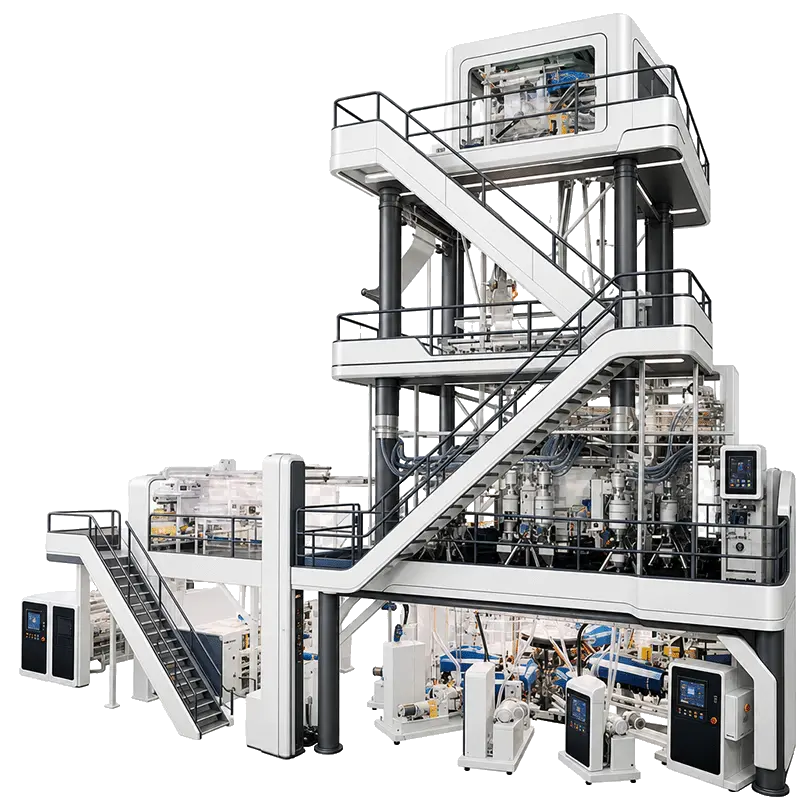
1–9 layer blown film co-extrusion lines for PE bags, courier film, agricultural film and EVOH / PA high-barrier packaging structures.
50–800 kg/h
Step 03
Flexographic Printing
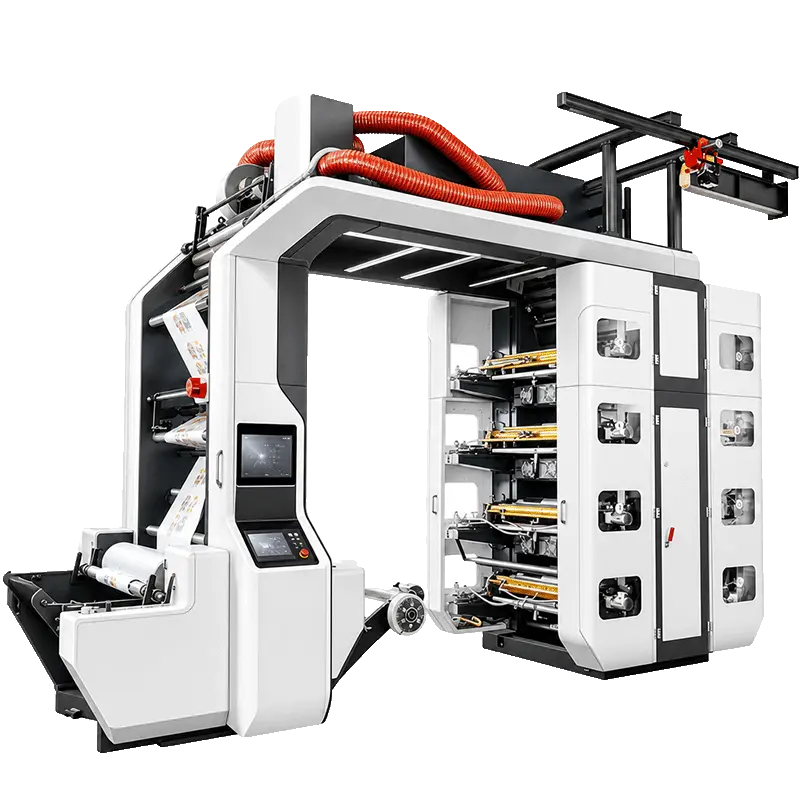
2–8 color stack-type flexographic printers for high-speed surface printing on plastic film rolls, with optional auto register control.
Up to 120 m/min
Step 04
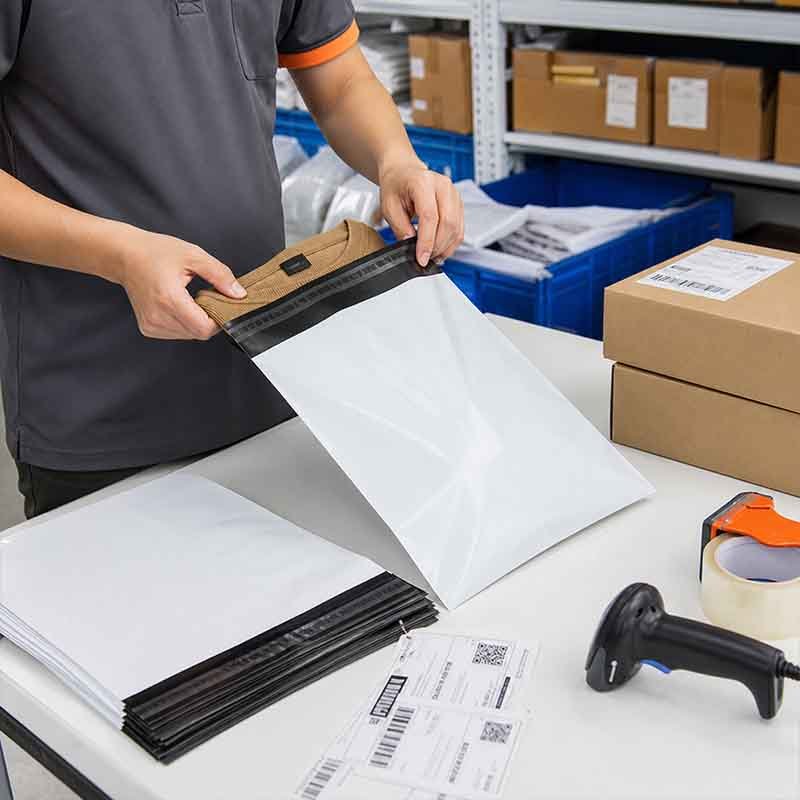
Bag Making
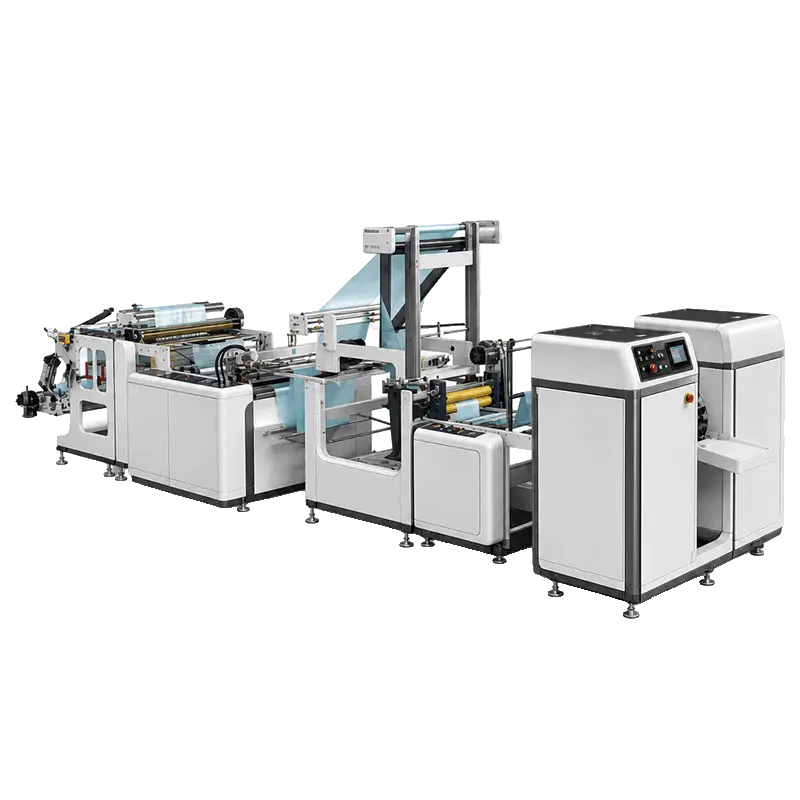
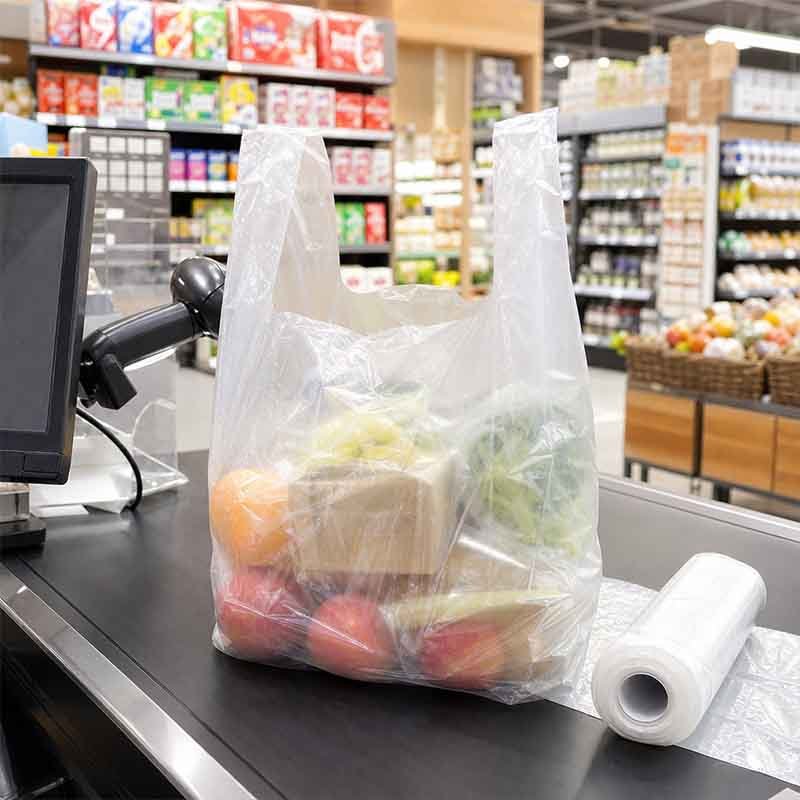
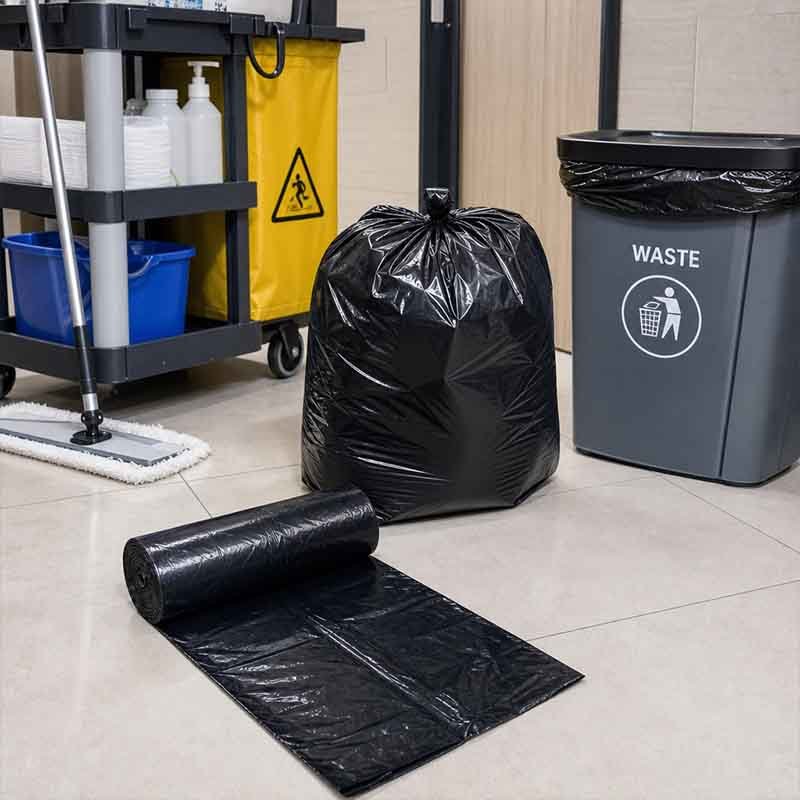
Bag making machines for T-shirt bags, courier mailers, garbage bags, zipper bags and heavy-duty sacks, with servo-driven options for precise cutting and sealing.
Up to 200 pcs/min
One Supplier · One Line · One Responsibility
Product Lines
Four Product Lines for Complete Flexible Packaging Production
Each machine can run independently or be combined into a complete production line — from entry-level bag production to high-output, multi-layer film and closed-loop recycling systems.
We manufacture blown film lines from mono-layer to 9-layer co-extrusion, with output ranges from 50 to 800 kg/h depending on width, material and layer structure. Use this guide as a starting point to match your film structure with your product application.
Layers
Typical Structure
Best For
Output
Investment
1
PE / LDPE / HDPE
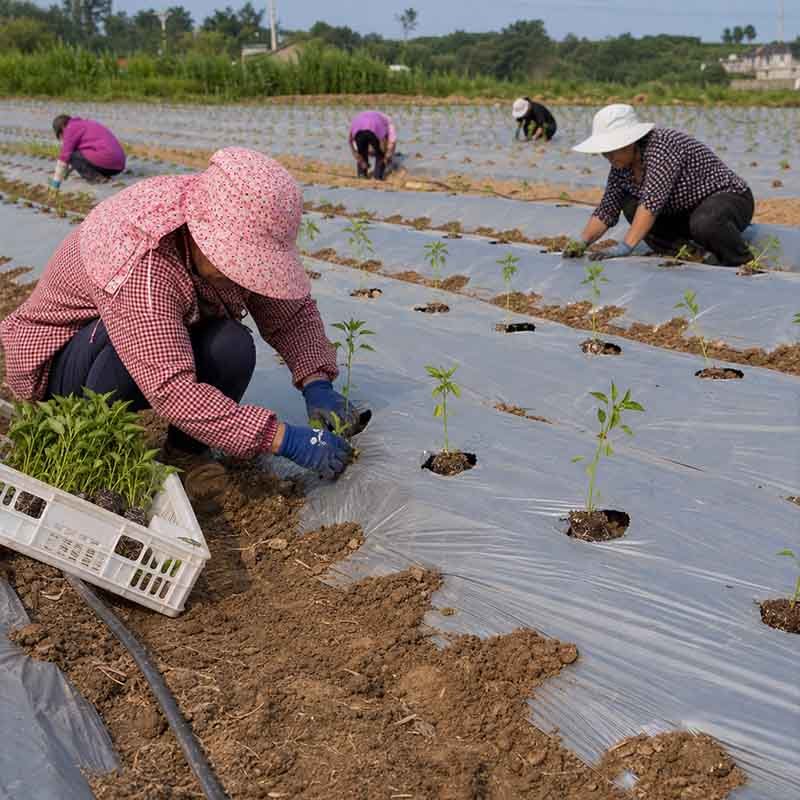
Shopping bags, garbage bags, agricultural mulch film and general PE packaging
50–150 kg/h
2
A / B
General packaging film and recycled-content structures
100–200 kg/h
3
A / B / A
Courier bags, lamination film, stretch film and improved strength structures
150–450 kg/h
5
PE/TIE/PA/TIE/PE
Medium-barrier food packaging, industrial film and specialty PE structures
250–500 kg/h
7
PE/TIE/PA/EVOH/PA/TIE/PE
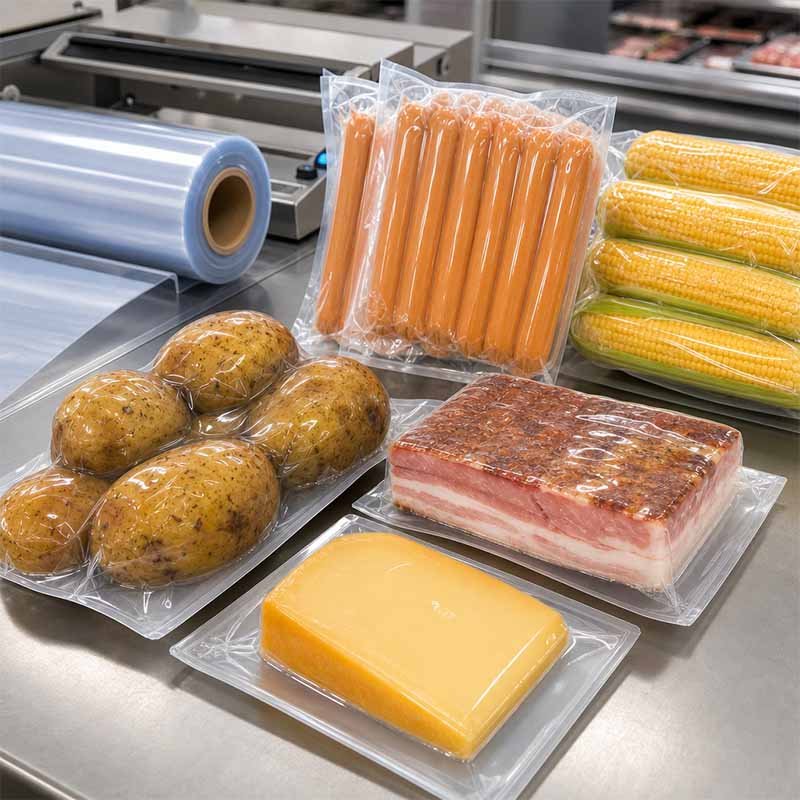
High-barrier vacuum packaging, dairy film and oxygen-sensitive food products
300–600 kg/h
9
Multi-barrier + EVOH/PA
Premium barrier film for medical, liquid and long shelf-life food packaging
400–800 kg/h
Not sure which structure fits your product?
Send us your target film width, thickness, material and application — our engineers will recommend a suitable layer structure, output range and machine configuration.
Each solution is built around a real product application — including recommended equipment, production flow, output range, layout considerations, staffing needs and investment planning.
The comparison below uses a standard ABA 3-layer blown film line as a reference. Actual output, energy consumption and film tolerance vary by width, thickness, material formula, screw diameter and cooling configuration.
Comparison Item
Common Entry-Level Configuration
LayerQuestar Recommended Configuration
Typical Output Range
100–150 kg/h
180–280 kg/h
Estimated Energy Consumption
35–40 kWh/h
25–30 kWh/h
Film Thickness Tolerance
±10–15%
±8%
Screw Material
Standard nitrided steel
WC bi-metallic, HRC 59–65
Operators per Shift
3 persons / shift
1–2 persons / shift
Core Component Warranty
1 Year
3 Years (5 Core Parts)
On-Site Commissioning Support
Extra charge or not offered
Up to 7 Days Engineer Service
Factory Run Test Before Shipment
Not standard
72-Hour Continuous Test
* LayerQuestar figures are based on factory-tested ABA 3-layer configurations under standard operating conditions. "Common Entry-Level Configuration" figures represent typical observed ranges in the market and are provided for general reference only — actual performance varies by manufacturer, screw diameter, film width and material formula. LayerQuestar makes no claim regarding any specific competitor's equipment.
Core Advantages
Built for Long-Term, Stable Production
Eight engineering details that improve output stability, maintenance efficiency and long-term reliability — from screw hardness and frame rigidity to temperature control and electrical system design.
WC Bi-Metallic Screw
Base material 38CrMoAlA nitrided steel, with 1.5–3mm WC alloy overlay and HRC 59–65 hardness. Designed for high-filler masterbatch, PCR blends and biodegradable compounds that create higher screw wear.
Designed for 5–8× longer service life in abrasive material applications
ABB / Innomotics Main Motor
ABB is our preferred main motor option, with Innomotics and other internationally recognized brands available according to project requirements. This helps ensure reliable torque output and easier spare parts sourcing in global markets.
International motor brands for easier global maintenance
OMRON Temperature Control
OMRON PID temperature controllers are used across heating zones to keep plasticization stable. Under stable operating conditions, temperature deviation can be controlled within ±1°C, reducing startup waste and improving film consistency.
Temperature control accuracy up to ±1°C
140mm Heavy-Wall Frame
Machine frame built from 140mm heavy-wall square tube, compared with the common 80–100mm frame range used on many entry-level machines. The heavier frame helps reduce vibration during continuous high-speed operation.
140mm heavy-wall frame for higher structural stability
Fully English-Labeled Control Cabinet
All wiring, breakers and labels are marked in English. Each cabinet is equipped with 2–3 independent cooling fans to improve heat dissipation and make troubleshooting easier for local maintenance teams.
English wiring labels + 2–3 cooling fans per cabinet
Schneider Relays · Industrial Circuit Protection
Schneider industrial relays are used for reliable switching performance, combined with certified circuit protection components to improve electrical safety and maintenance convenience.
Industrial-grade electrical protection system
External Oil-Cooled Gearbox
External oil-cooling circulation keeps gearbox temperature more stable during long production runs. Under normal operation and maintenance, the gearbox is designed for 8–10 years of stable service.
Designed for 8–10 years of stable gearbox service
Powder-Coat Surface Finish
Full-machine electrostatic powder coating improves coating adhesion, chip resistance and corrosion resistance compared with ordinary spray paint, especially in humid or tropical factory environments.
Powder-coated finish for humid and tropical environments
About LayerQuestar
A Factory Built on Precision Engineering
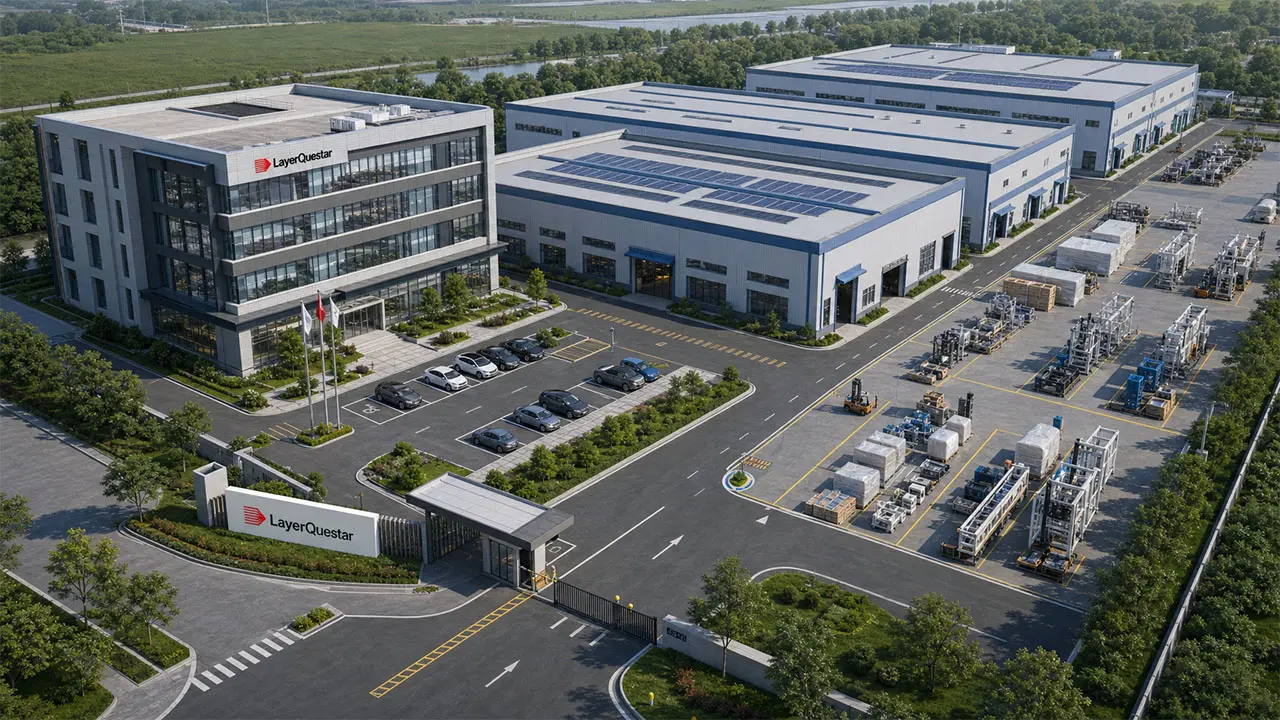
Founded in 2008 and headquartered in Zhejiang, China, LayerQuestar Machinery has developed from a blown film specialist into a complete flexible packaging machinery manufacturer with 1–9 layer co-extrusion capability, 123+ patents granted and customers in 120+ countries and regions.
Founded in 2008 · Long-Term Focus on Flexible Packaging Machinery
Since 2008, we have focused on flexible packaging machinery, especially blown film extrusion and complete line integration for bag and film production.
National High-Tech Enterprise · 123+ Patents Granted
Our patent portfolio covers extrusion structure, die head design, cooling systems, machine control and production line optimization.
Serving 120+ Countries and Regions
LayerQuestar machines are used across Southeast Asia, the Middle East, Africa, South America and Europe, supported by remote technical assistance, spare parts supply and project-based commissioning service.
Science & Technology SME · Provincial Innovative SME
These recognitions reflect our ongoing investment in machine development, manufacturing process improvement and multi-layer co-extrusion technology.
LayerQuestar Machinery · Zhejiang, China
2008
Founded
120+
Countries
123+
Patents
1–9L
Layers
Warranty & After-Sales
We Don't Disappear After Shipment
Our after-sales commitments are defined in the final contract, including warranty scope, factory run test, commissioning terms, spare parts supply and lifetime remote technical support.
3-Year Warranty on 5 Core Components
We provide 3-year parts warranty coverage for five core components: main motor, inverter, die head, air fan and gearbox. Warranty terms are confirmed by machine model and final contract.
3-year coverage on 5 core components
72-Hour Factory Run Test
Every machine runs continuously for 72 hours at our factory before shipment. Output data, temperature logs and film samples can be recorded for customer review.
72-hour continuous factory test
Up to 7 Days Engineer Commissioning Support
We provide up to 7 days of free engineer commissioning service for qualified complete-line projects, with travel-related terms confirmed in the final contract.
Up to 7 days engineer commissioning support
Lifetime Technical Support
Remote troubleshooting, process adjustment guidance, spare parts selection and maintenance advice are available throughout the machine life cycle.
Lifetime remote technical support
Factory Acceptance Test (FAT)
For 5-layer, 7-layer and 9-layer co-extrusion lines, we can provide a formal FAT process before shipment, including test running, film sample inspection and configuration confirmation.
Available for 5L / 7L / 9L lines
Long-Term Spare Parts Supply
Critical wear parts — screws, barrels, die head components and heating elements — are available for long-term supply. We maintain key spare parts support for up to 10 years per model.
Up to 10 years spare parts support
Free Consultation — No Obligation
Tell Us Your Target Product. We'll Design Your Complete Line.
Whether you are starting your first factory or upgrading an existing line, our engineers can prepare a recommended configuration proposal — including equipment list, output range, floor layout, power requirements and investment range reference.
Typical response within 4 business hours · Your information is used only for project communication